
Iron is essential for carrying oxygen through your blood. Without enough of it, you can feel tired, weak, and short of breath. But eating iron-rich foods is only half the battle. Your body has to actually absorb that iron, and several everyday habits can quietly block that process.
The main culprits are tannins in tea and coffee, calcium in dairy, and phytates in whole grains and legumes. These compounds bind to iron in your digestive tract and prevent it from entering your bloodstream. Timing your meals and knowing which foods help or hurt can make a real difference in your iron levels.
How Does the Body Absorb Iron?
Your body uses two different pathways to absorb iron. The first handles heme iron, which comes from animal sources like red meat, poultry, and fish. This type is absorbed efficiently and is not easily blocked by other foods.
The second pathway handles non-heme iron, which comes from plants like spinach, beans, lentils, and fortified grains. This type is much more fragile. Other compounds in your gut can grab onto it and stop absorption before it ever reaches your bloodstream.
The distinction matters because most iron inhibitors only affect non-heme iron. If you get most of your iron from plants, you are more vulnerable to these blocking effects. If you eat meat regularly, your iron absorption is more protected.
What Inhibits Iron Absorption: The Main Culprits
Several common foods and drinks interfere with iron absorption. The strongest evidence points to these five:
- Tea and coffee — contain tannins that bind to iron
- Dairy products — calcium competes with iron for absorption
- Whole grains and legumes — contain phytates
- Eggs — a protein called phosvitin blocks iron
- Soy products — contain both phytates and other inhibitors
Tea is among the most studied inhibitors. Both black and green tea contain tannins that strongly reduce non-heme iron absorption. Coffee has a similar effect. The impact is significant enough that researchers have measured reduced iron uptake when tea or coffee is consumed with a meal.
Calcium is a different case. It inhibits both heme and non-heme iron, which makes it unique among the major inhibitors. This means even meat eaters can reduce their iron absorption by having milk or cheese with their steak.
How Phytates in Plant Foods Block Iron
Phytates are storage compounds found in seeds, nuts, grains, and legumes. They are sometimes called antinutrients because they bind to minerals like iron, zinc, and calcium.
When you eat high-phytate foods, the phytates form complexes with iron in your digestive tract. These complexes are too large to pass through the intestinal wall. The iron simply passes out of your body unused.
Soaking, sprouting, and fermenting beans and grains can reduce their phytate content. Bread made with yeast fermentation has lower phytate levels than quick breads. But even with these preparation methods, some blocking effect remains.
This does not mean you should avoid whole grains and legumes. They are nutritious foods with many health benefits. It just means you should be strategic about when and how you eat them alongside iron-rich foods.


Does Calcium Really Block Iron Absorption?
Yes, but the effect is more complicated than with other inhibitors. Calcium can block both heme and non-heme iron, which makes it unusually powerful.
The mechanism is not fully understood. Research suggests calcium interferes with iron transport across the intestinal lining. It may also affect a protein called ferritin that stores iron inside cells.
The good news is that the blocking effect appears to be temporary. If you take calcium at one meal and iron at another, the interference is minimal. The problem only arises when they are consumed together.
One study found that a single glass of milk reduced iron absorption by about half when consumed with a meal. The effect was similar for other dairy products like cheese and yogurt.
If you take iron supplements, avoid taking them with milk or calcium supplements. Take them with water or orange juice instead.
How Tea and Coffee Reduce Iron Absorption
Tea and coffee are common daily habits for many people. Both contain polyphenols, including tannins, that bind strongly to iron.
The effect is dose-dependent. More tea or coffee means more blocking. Stronger brews also have a greater effect than weak ones.
Research published in the American Journal of Clinical Nutrition found that drinking tea with a meal reduced iron absorption by up to 70 percent. Coffee reduced it by about 40 percent. These numbers vary by individual, but the direction is consistent.
The timing matters. Drinking tea or coffee one hour after a meal still has some blocking effect. Waiting two hours reduces the effect significantly. Waiting three hours or more appears to eliminate the problem for most people.
Herbal teas are not necessarily safe. Many herbal teas also contain tannins, though the levels vary widely by type. Peppermint and chamomile are lower in tannins than black tea, but they still have some.
Can You Absorb More Iron by Changing Meal Timing?
Yes. Simple timing changes can improve iron absorption without eliminating any foods from your diet.
Separate your iron-rich meals from your iron-blocking foods by at least two hours. This applies to tea, coffee, dairy, and high-phytate foods.
Pair iron-rich foods with absorption enhancers instead. Vitamin C is the most powerful enhancer. It converts iron into a form that is easier to absorb and can overcome the effects of many inhibitors.
Eating foods rich in vitamin C alongside iron-rich meals is one of the most effective strategies. A glass of orange juice, a serving of strawberries, or a side of broccoli can meaningfully improve iron uptake.
Some research also suggests that small amounts of meat, poultry, or fish can enhance absorption of non-heme iron from plant foods. This is called the meat factor, and it is a well-established effect.
Who Is Most at Risk of Low Iron Absorption?
Some groups need to be more careful about iron inhibitors than others.
Vegetarians and vegans rely entirely on non-heme iron, which is more easily blocked. They need to pay close attention to enhancers and inhibitors.
Pregnant women have higher iron needs and are at higher risk of deficiency. Their blood volume expands significantly, requiring more iron to make new red blood cells.
People with gastrointestinal conditions like celiac disease or Crohn’s disease may absorb less iron even when they eat enough. The intestinal damage interferes with absorption.
Athletes lose iron through sweat and through foot strike damage to red blood cells. Their needs are higher than sedentary people.
Older adults may have reduced stomach acid, which is needed for iron absorption. They also more often take medications that interfere with iron.
What About Iron Supplements?
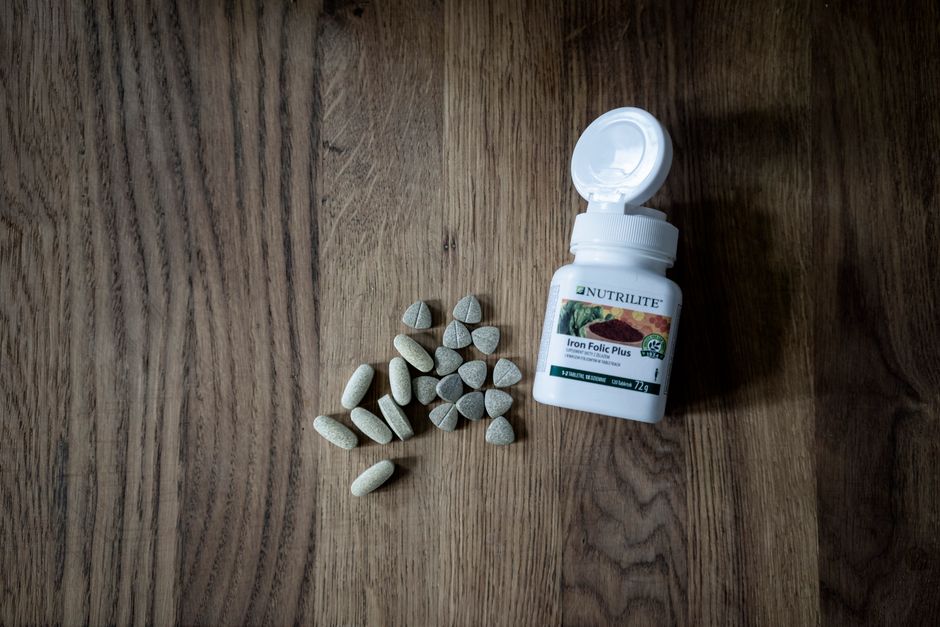
If your iron levels are low, supplements may be necessary. But supplements have their own absorption challenges.
Take iron supplements on an empty stomach for best absorption. This means at least one hour before a meal or two hours after. Many people find this causes stomach upset, so some clinicians recommend taking them with a small amount of food.
If you take iron with food, avoid the same inhibitors that affect dietary iron. Do not take iron supplements with milk, tea, coffee, or high-fiber meals.
Vitamin C taken with iron supplements improves absorption. Some supplements include vitamin C for this reason. You can also take your supplement with a glass of orange juice.
No clinical guidelines currently recommend a specific dose of vitamin C for this purpose. The general advice is to include a vitamin C-rich food or drink with your iron.
Frequently Asked Questions
Does coffee really block iron absorption?
Yes. Coffee contains polyphenols that bind to iron and reduce absorption by roughly 40 percent when consumed with a meal. Waiting at least two hours after eating eliminates most of the effect.
How long should I wait between tea and iron-rich meals?
Wait at least two hours between drinking tea and eating iron-rich foods. Waiting three hours or more is even more effective at preventing the blocking effect.
Can calcium supplements be taken with iron?
No. Calcium inhibits both heme and non-heme iron absorption, so take them at different times. Separate calcium and iron supplements by at least two hours.
Does vitamin C really help absorb more iron?
Yes. Vitamin C enhances non-heme iron absorption and can partially overcome the effects of inhibitors. Having a vitamin C source with your iron-rich meal is one of the most effective ways to improve uptake.
