
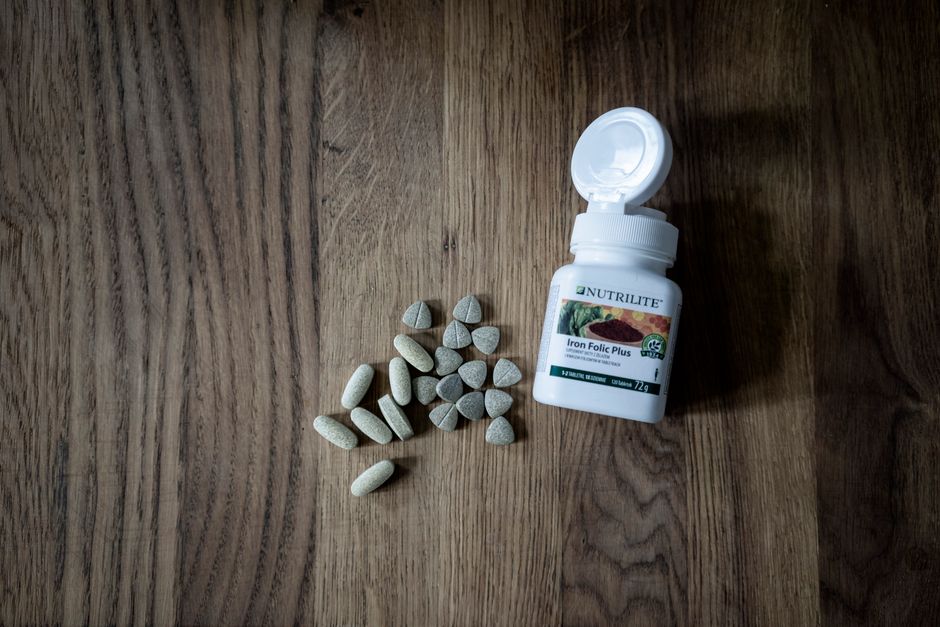
Iron deficiency anemia is a condition where your blood lacks enough healthy red blood cells because your body does not have enough iron. Iron is essential for making hemoglobin, the protein in red blood cells that carries oxygen to your tissues. Without enough iron, your body cannot produce enough hemoglobin, leading to fatigue, weakness, and shortness of breath. This is the most common type of anemia worldwide, affecting millions of people, and it is almost always treatable once identified.
What Causes Iron Deficiency Anemia?
Iron deficiency anemia happens when your body uses more iron than it takes in or loses more iron than it can replace. The most common cause is blood loss. For women of childbearing age, heavy menstrual periods are a leading cause. The CDC reports that about 5% of women in the U.S. have iron deficiency anemia, and heavy bleeding is often the reason.
Other causes include a diet low in iron. This is more common in people who follow restrictive diets, such as vegan or vegetarian diets, without careful planning. Iron from plant sources is harder for the body to absorb than iron from meat. Gastrointestinal issues like celiac disease, Crohn’s disease, or ulcerative colitis can also prevent proper iron absorption. In older adults, slow internal bleeding from ulcers, polyps, or colon cancer can cause iron deficiency without obvious symptoms. Pregnancy increases iron needs dramatically, and many pregnant women develop anemia without supplementation.
What Are the Symptoms of Iron Deficiency Anemia?
Many people with mild iron deficiency have no symptoms at all. As it gets worse, symptoms become harder to ignore. The most common symptom is fatigue that does not go away with rest. You might feel unusually tired after simple activities or wake up feeling drained.
Other symptoms include pale or sallow skin, brittle nails, and a sore or smooth tongue. Some people develop pica, an unusual craving for non-food items like ice, dirt, or starch. Cravings for ice are especially common and often go unrecognized as a sign of anemia. Shortness of breath, dizziness, and cold hands and feet are also typical. In severe cases, you may experience chest pain, an irregular heartbeat, or headaches. The key difference between ordinary tiredness and anemia-related fatigue is that anemia fatigue does not improve with sleep or rest.
How Is Iron Deficiency Anemia Diagnosed?
Diagnosis starts with a simple blood test called a complete blood count (CBC). This test measures your hemoglobin levels and the number of red blood cells. A hemoglobin level below 12 grams per deciliter in women or below 13.5 in men usually indicates anemia.
If anemia is found, your doctor will order additional tests to confirm iron deficiency specifically. These include serum ferritin, which measures your body’s iron stores, and serum iron levels. Ferritin is the most reliable marker. A ferritin level below 30 nanograms per milliliter strongly suggests iron deficiency even if your hemoglobin is still normal. Some doctors also check total iron-binding capacity (TIBC) and transferrin saturation. Research published in the American Journal of Hematology shows that ferritin is the most sensitive test for early iron deficiency. If the cause is unclear, your doctor may recommend a colonoscopy or endoscopy to look for internal bleeding, especially in older adults or men.




What Are the Best Treatments for Iron Deficiency Anemia?
Treatment depends on the severity and underlying cause. For most people, oral iron supplements are the first step. The standard dose is 65 to 200 milligrams of elemental iron per day, usually as ferrous sulfate. Taking iron on an empty stomach improves absorption, but it can cause stomach upset. Taking it with a small amount of vitamin C, like a glass of orange juice, can boost absorption by up to 30%. Avoid taking iron with calcium-rich foods, coffee, or tea, as these block absorption.
For people who cannot tolerate oral iron or need faster results, intravenous iron is an option. IV iron is commonly used in late pregnancy, after bariatric surgery, or in people with chronic kidney disease. It works faster than oral iron and has fewer digestive side effects. In severe cases with dangerously low hemoglobin, blood transfusions may be necessary. The American Society of Hematology recommends transfusion only when hemoglobin falls below 7 g/dL or when there are symptoms of heart strain. Dietary changes alone are rarely enough to correct established anemia, but eating iron-rich foods like red meat, spinach, lentils, and fortified cereals can help maintain levels after treatment.
| Treatment Type | How It Works | Typical Use | Common Side Effects |
|---|---|---|---|
| Oral iron supplements | Replaces iron stores slowly over weeks | First-line treatment for mild to moderate anemia | Constipation, nausea, dark stools |
| IV iron | Delivers iron directly into the bloodstream | Severe anemia, intolerance to oral iron, malabsorption | Allergic reaction (rare), headache, metallic taste |
| Blood transfusion | Provides immediate red blood cells | Life-threatening anemia, active bleeding | Infection risk, allergic reaction, iron overload |
| Dietary changes | Increases iron intake from food | Prevention, maintenance after treatment | None, but insufficient for treating established anemia |
What Happens If Iron Deficiency Anemia Is Left Untreated?
Untreated iron deficiency anemia does not go away on its own. It tends to get worse over time. In children and teenagers, chronic anemia can impair growth, cognitive development, and school performance. Research from the World Health Organization shows that iron deficiency is the leading cause of developmental delays in children globally.
In adults, untreated anemia increases the risk of heart problems. The heart has to pump harder to deliver oxygen, which can lead to an enlarged heart, heart murmurs, or heart failure. Pregnant women with untreated anemia have higher risks of premature birth, low birth weight, and postpartum depression. In older adults, anemia is linked to falls, frailty, and higher rates of hospitalization. The bottom line is that iron deficiency anemia is not a condition to ignore. It is treatable, and the risks of leaving it untreated far outweigh the inconvenience of supplements or medical follow-up.
Common Misconceptions About Iron Deficiency Anemia
A common myth is that only women get iron deficiency anemia. While women are at higher risk due to menstruation and pregnancy, men and postmenopausal women also develop it. In these groups, anemia is often a sign of internal bleeding and requires thorough investigation. Another misconception is that eating more spinach or red meat alone can fix anemia. These foods are helpful for prevention, but once anemia is established, supplements are almost always needed to restore iron stores quickly enough.
Some people believe that iron supplements work immediately. They do not. It takes two to three weeks of consistent supplementation for hemoglobin levels to start rising, and it can take two to four months to fully replenish iron stores. Stopping supplements early is a common reason for relapse. There is also a persistent myth that all fatigue is caused by iron deficiency. While fatigue is the main symptom, many other conditions cause similar tiredness, including thyroid disorders, depression, and sleep apnea. A blood test is the only reliable way to know. Finally, some people worry that taking iron supplements will cause constipation. This is true for many, but it can be managed by staying hydrated, eating fiber, and sometimes switching to a different form of iron like ferrous gluconate or slow-release formulations.
What Is Iron Deficiency Anemia in Children and Pregnancy?
Iron deficiency anemia is especially common in young children and pregnant women. In children, rapid growth demands more iron, and picky eating can lead to low intake. The American Academy of Pediatrics recommends screening all children for anemia between 9 and 12 months of age. Symptoms in children include pale skin, irritability, poor appetite, and delayed development. Treatment is similar to adults but with lower doses of liquid iron supplements.
In pregnancy, iron needs nearly double. The body uses iron to support the growing baby, the placenta, and the increase in maternal blood volume. The CDC estimates that up to 20% of pregnant women in the U.S. develop iron deficiency anemia. Untreated anemia during pregnancy raises the risk of preterm birth and low birth weight. Prenatal vitamins usually contain iron, but many women need additional supplementation. Doctors typically check iron levels at the first prenatal visit and again in the third trimester. IV iron is sometimes used in pregnancy when oral supplements are not tolerated or when anemia is severe.
Frequently Asked Questions
Can iron deficiency anemia go away on its own?
No, it usually will not go away without treatment. The underlying cause must be addressed, and iron stores need to be replenished with supplements or other medical interventions.
How long does it take to recover from iron deficiency anemia?
With consistent treatment, most people feel better within two to three weeks, but it takes two to four months to fully restore iron stores.
What foods are best for iron deficiency anemia?
Red meat, poultry, fish, spinach, lentils, beans, and iron-fortified cereals are good sources. Pair plant-based iron with vitamin C to improve absorption.
Can you take too much iron for anemia?
Yes, iron overload is possible and dangerous. Only take iron supplements under a doctor’s guidance and have your levels monitored regularly.
