
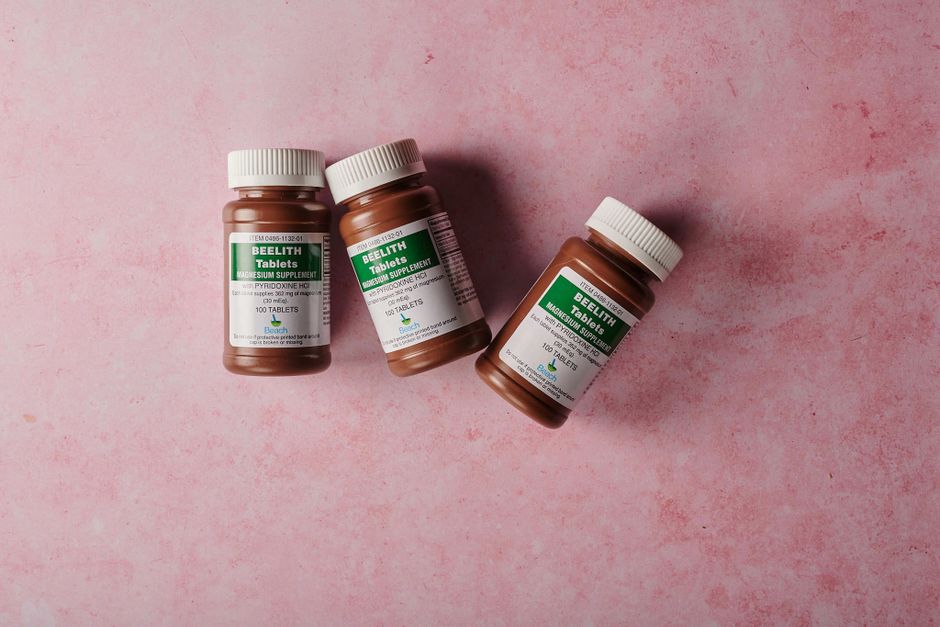
Magnesium absorption depends on three key factors: the form you take, what you take it with, and your gut health. Magnesium citrate and glycinate absorb better than magnesium oxide. Taking magnesium with food and ensuring adequate vitamin D levels also help. Your body can only absorb so much at once, so splitting doses matters more than most people realize.
What Form of Magnesium Absorbs Best?
The form of magnesium you take directly determines how much your body actually uses. Magnesium oxide is the cheapest and most common form in drugstores. It also absorbs the worst. Research published in the Journal of the American College of Nutrition found that magnesium oxide has a solubility of only about 4 percent in water. Your body absorbs very little of it.
Magnesium citrate is the most studied and reliable form for absorption. It binds to citric acid, which improves how well it dissolves in your digestive tract. Many people tolerate it well, though it can cause loose stools at higher doses. Magnesium glycinate is another strong option. It is bound to the amino acid glycine, which helps transport it across your intestinal wall more efficiently.
Magnesium L-threonate is a newer form that some studies suggest crosses the blood-brain barrier more effectively. The evidence for general absorption is still limited compared to citrate and glycinate. Magnesium chloride and magnesium malate also absorb reasonably well. Magnesium oxide is the only common form you should actively avoid if absorption is your goal.
Does Taking Magnesium With Food Help Absorption?
Yes, taking magnesium with food improves absorption for most people. A study in the European Journal of Clinical Nutrition found that taking magnesium with a meal increased absorption by about 30 percent compared to taking it on an empty stomach. Food slows down digestion, which gives your intestines more time to pull magnesium into your bloodstream.
The type of food matters. Meals containing moderate amounts of protein and fat seem to help most. High-fiber meals can actually reduce magnesium absorption because fiber binds to minerals and carries them out of your body. Whole grains and legumes contain phytates, which also interfere with magnesium absorption. Taking your supplement with a protein-rich meal rather than a high-fiber one is a simple adjustment that makes a real difference.
One practical tip: take magnesium with dinner or your largest meal. Spreading it across meals also helps, since your body absorbs magnesium more efficiently in smaller amounts. Taking 100 to 200 milligrams with each meal works better than taking 400 milligrams all at once.
What Nutrients Help Magnesium Absorption?
Vitamin D is the most important nutrient partner for magnesium. Your body needs magnesium to activate vitamin D, and vitamin D helps your intestines absorb magnesium. They work as a team. A study in the American Journal of Clinical Nutrition found that people with higher vitamin D levels absorbed significantly more magnesium from their diet. If your vitamin D is low, your magnesium absorption likely suffers too.
Vitamin B6 also supports magnesium absorption. It helps transport magnesium into your cells. Some research suggests that taking magnesium with vitamin B6 increases cellular magnesium levels more than magnesium alone. This is why some combination supplements exist, though eating B6-rich foods like poultry, fish, and bananas works just as well.
Other nutrients that may help include selenium and zinc, though the evidence is weaker. Calcium competes with magnesium for absorption, so taking them at the same time can reduce how much magnesium your body takes in. Avoid high-dose calcium supplements within an hour of your magnesium dose.
| Nutrient | Effect on Magnesium Absorption | Evidence Strength |
|---|---|---|
| Vitamin D | Significantly improves absorption | Strong |
| Vitamin B6 | Helps transport into cells | Moderate |
| Selenium | Possible slight improvement | Weak |
| Calcium (high dose) | Competes and reduces absorption | Moderate |
| Zinc | Possible interference at high doses | Weak |





Does Gut Health Affect Magnesium Absorption?
Your gut health directly controls how much magnesium you absorb. Magnesium is absorbed primarily in the small intestine. If you have conditions like Crohn’s disease, celiac disease, or irritable bowel syndrome, your absorption drops significantly. The same is true after gastric bypass surgery. Research shows that up to 30 percent of people with inflammatory bowel disease have low magnesium levels, even with adequate intake.
Stomach acid also matters. As you age, your stomach produces less acid. This reduces your ability to break down magnesium supplements, especially magnesium oxide, which requires more acid to dissolve. Magnesium citrate and glycinate require less stomach acid, which is why they work better for older adults.
Gut inflammation from any cause reduces absorption. Alcohol use, chronic stress, and certain medications like proton pump inhibitors all damage the gut lining over time. If you take a magnesium supplement and still feel no benefit, your gut health may be the bottleneck. Addressing the underlying gut issue is more effective than simply increasing your magnesium dose.
What Medications and Habits Block Magnesium Absorption?
Several common medications interfere with magnesium absorption. Proton pump inhibitors like omeprazole and esomeprazole reduce stomach acid so much that magnesium absorption drops significantly. The FDA has issued warnings about this. Long-term users of these drugs are at real risk of magnesium deficiency.
Diuretics, especially loop diuretics like furosemide, increase how much magnesium your kidneys excrete. They do not block absorption in the gut, but they drain your body’s magnesium stores faster than you can replace them. Antibiotics like tetracyclines and fluoroquinolones bind to magnesium in your gut, preventing both the drug and the mineral from being absorbed. Take magnesium at least two hours apart from these antibiotics.
Alcohol is a major magnesium drain. It reduces absorption in the gut and increases excretion through urine. Even moderate drinking can lower magnesium levels over time. High sugar intake and processed foods also reduce magnesium absorption because they increase how much magnesium your body uses to process them.
- Proton pump inhibitors reduce absorption significantly
- Diuretics increase magnesium loss through urine
- Antibiotics bind magnesium in the gut
- Alcohol reduces absorption and increases excretion
- High sugar intake depletes magnesium stores
What Helps Magnesium Absorption Most in Practice?
The single most effective thing you can do is choose the right form. Magnesium citrate or glycinate, taken with food, in divided doses throughout the day, will give you the best absorption. That combination alone solves the problem for most people.
Vitamin D testing is worth doing. A simple blood test tells you if your vitamin D is in a good range for magnesium absorption. Many people are low, especially in winter months or if they live in northern latitudes. Correcting vitamin D deficiency can improve magnesium absorption without changing anything else.
Avoid the common mistake of taking a high dose all at once. Your gut can only absorb a limited amount of magnesium per hour. Doses above 200 milligrams at one time mostly get excreted. Splitting your dose into morning and evening gives you much better results. This is the most overlooked practical step in magnesium supplementation.
Frequently Asked Questions
What is the most absorbable form of magnesium?
Magnesium citrate and magnesium glycinate are the most absorbable forms. Magnesium oxide is the least absorbable and should be avoided if absorption is your goal.
Should I take magnesium with or without food?
Take magnesium with food for better absorption. A meal containing protein and moderate fat helps most, while high-fiber meals can reduce absorption.
Does vitamin D help magnesium absorption?
Yes, vitamin D significantly improves magnesium absorption. Your body needs magnesium to activate vitamin D, and vitamin D helps your intestines absorb more magnesium.
Can I take calcium and magnesium together?
High doses of calcium compete with magnesium for absorption. Take them at least one hour apart to avoid interference.
