
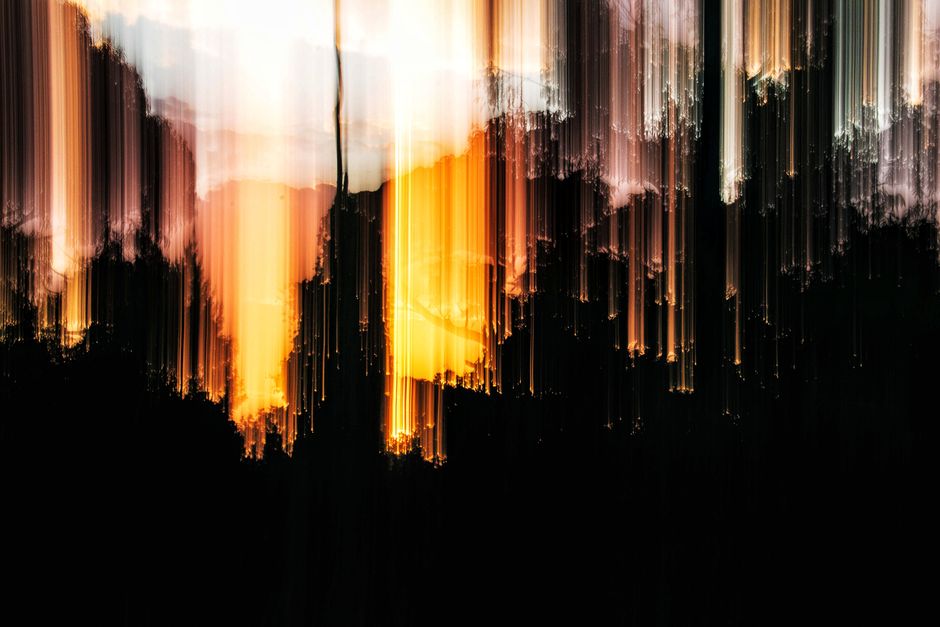
You are looking at a phrase that has spread across social media, often appearing in captions, comments, and even as a search query. The exact wording, “What I See Is The Light Falling Arll Around Us,” is a misspelled version of “What I See Is The Light Falling All Around Us.” It is not a medical term, a clinical diagnosis, or a recognized psychological symptom. It is a poetic or descriptive sentence that people use to describe a moment of visual beauty, emotional intensity, or a specific aesthetic feeling.
When someone writes this, they are usually describing a sensory experience—the way light looks as it filters through trees, hits a dusty room, or reflects off water. The “arll” misspelling is likely a typo that has been copied and shared so often it has become a recognizable meme or phrase within certain online communities. There is no underlying health condition associated with this phrase.
Why Do People Search for This Exact Phrase?
People search for this phrase because they have seen it online and want to know what it means. It often appears in short video captions on platforms like TikTok or Instagram, paired with cinematic visuals. The search intent is usually curiosity—someone wants to understand the origin of the phrase or what the poster meant by it.
There is no scientific literature on this phrase. It is not a symptom of any visual disorder. It is not a sign of a mental health issue. It is simply a poetic way to describe an observation. If you are searching for this because you are concerned about your own vision or perception, that is a different matter entirely. Concerns about seeing unusual lights, flashes, or visual disturbances should be discussed with a healthcare professional.
Is This a Sign of a Medical Condition?
No. The phrase itself is not a medical symptom. However, the concept of “seeing light falling” can relate to real visual phenomena. If you are experiencing actual visual changes—such as flashing lights, floaters, or unusual light patterns—that is a clinical concern that warrants attention.
Seeing flashes of light can be associated with several eye conditions. The most common include posterior vitreous detachment, where the gel inside the eye pulls away from the retina. This can cause you to see brief flashes, often described as lightning streaks or camera flashes, particularly in peripheral vision. This is a common age-related change, but it requires an eye exam to confirm.
Migraines can also cause visual disturbances. A visual aura, which can occur before or during a migraine, might cause you to see zigzag lines, shimmering spots, or areas of vision loss. These are neurological, not optical, in origin. They usually resolve within an hour.
If the light you see is persistent, or if it is accompanied by a shadow or curtain blocking part of your vision, this could be a retinal tear or detachment. This is an emergency. Immediate medical attention is required to prevent permanent vision loss.
What Does “Light Falling” Look Like in Real Life?
In everyday experience, “light falling” describes the visual effect of light rays interacting with particles in the air. This is called the Tyndall effect. When sunlight streams through a window and you see the beam of light, you are actually seeing light scattered by dust, smoke, or water vapor in the air.
This effect is common. You see it in the morning when sunlight hits a dusty room. You see it in forests when light filters through the canopy. You see it in fog or haze. It is a physical phenomenon, not a vision problem. It is often described as beautiful or ethereal, which is why the phrase has become popular in aesthetic content online.
Another related experience is the way light looks on water. Sunlight reflecting off ripples creates a shimmering, moving pattern of light. This is not a hallucination. It is a real optical effect caused by the changing angle of the water’s surface.




When Should You Be Concerned About Visual Symptoms?
Distinguishing between a poetic description and a real medical symptom is important. The phrase “light falling all around us” is not a symptom. But if you are seeing things that others do not see, or if your vision is changing, you need to evaluate the specifics.
You should seek medical attention if you experience any of the following:
- Sudden onset of flashes of light, especially if they are frequent or persistent
- A sudden increase in floaters, particularly if accompanied by flashes
- A dark shadow or “curtain” that seems to cover part of your field of vision
- Blurred vision that does not clear with blinking
- Loss of vision in one or both eyes
These symptoms can indicate a retinal tear, retinal detachment, or other serious eye conditions. Do not wait to see if they go away. Contact an eye care professional or go to an emergency room immediately.
What Is the Origin of the Phrase?
The exact origin of the misspelled phrase is not documented in any reliable source. It appears to have emerged organically on social media. The misspelling “arll” instead of “all” is a common typo. Once a post with this typo gained traction, the phrase likely spread through shares, reposts, and remixes.
It is not a quote from a known movie, book, or song. It is not a lyric from a popular song. It is not a line from a medical textbook. It is an internet phenomenon that has taken on a life of its own. Some users may use it ironically. Others use it sincerely to caption a beautiful moment.
The phrase resonates because it captures a feeling of being surrounded by beauty. It describes a moment where the environment feels visually overwhelming in a positive way. This is a human experience, not a clinical one.
Can Anxiety or Stress Cause Visual Disturbances?
Stress and anxiety can affect vision, but the phrase you are searching for is not a recognized symptom of anxiety. However, anxiety can cause physical symptoms that involve the eyes. These are often related to the autonomic nervous system’s response to stress.
Some people report blurred vision during periods of high stress. This can be caused by muscle tension around the eyes, dry eyes, or changes in pupil size. Others report difficulty focusing or a feeling that the world looks “different” or “unreal.” This is called derealization, a common dissociative symptom during anxiety or panic.
Derealization can make the world look flat, distant, or dreamlike. Some people describe it as looking through a fog or a glass wall. This is not the same as seeing light falling. It is a perceptual change, not a visual hallucination. If you experience persistent derealization, it is worth discussing with a mental health professional. It is a recognized symptom of anxiety disorders, though it is not dangerous on its own.
What About Visual Hallucinations?
Visual hallucinations—seeing things that are not there—are a different category entirely. If you are seeing light patterns or shapes that do not correspond to anything in your environment, this is a clinical symptom. It is not the same as appreciating the aesthetic quality of real light.
Visual hallucinations can be caused by several conditions. These include migraine with aura, where the brain produces visual disturbances. They can also be caused by certain medications, sleep deprivation, or neurological conditions. In some cases, they are associated with psychiatric conditions, but this is not the most common cause.
If you are experiencing hallucinations, you should see a doctor. Do not dismiss them as imagination. A thorough medical evaluation can identify the cause. The treatment depends entirely on the underlying condition.
Frequently Asked Questions
What does “What I See Is The Light Falling Arll Around Us” mean?
It is a poetic phrase used to describe a beautiful moment where light seems to surround you. The word “arll” is a common misspelling of “all” that spread through social media.
Is this phrase a symptom of an eye disease?
No, the phrase is not a medical term or a symptom. However, if you are actually seeing flashes of light, that is a separate issue that requires an eye exam.
Why do I see light rays in the air?
You are seeing the Tyndall effect, where light scatters off particles like dust or moisture in the air. This is a normal physical phenomenon, not a vision problem.
When should I worry about seeing flashing lights?
You should seek immediate medical attention if you see a sudden increase in flashes, a shower of new floaters, or a dark shadow in your vision. These can be signs of a retinal tear or detachment.
