
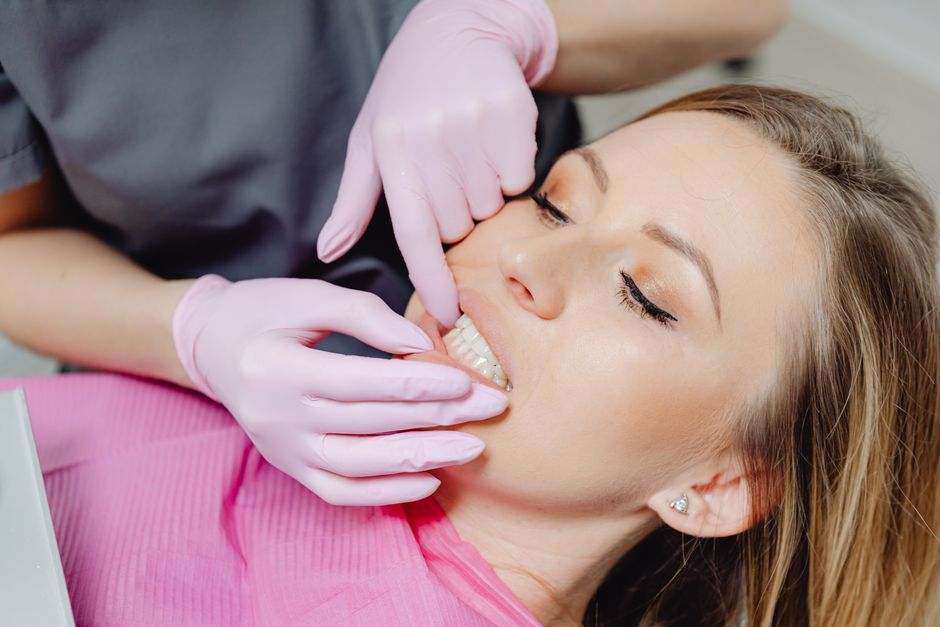
Using a teeth whitening gel with an LED light at home is a straightforward process, but doing it correctly matters more than doing it fast. You apply the gel to your teeth, place the light device against your mouth, and activate it for the time specified by the manufacturer. The light is not what whitens your teeth — the gel does that work. The light is meant to speed up the chemical reaction in the gel, though evidence on how much it actually helps is mixed. The key to safe results is following the product instructions exactly, using the correct amount of gel, and never leaving it on longer than directed.
How Does Teeth Whitening Gel With Light Actually Work?
Most at-home whitening gels contain hydrogen peroxide or carbamide peroxide. These are bleaching agents that break down stain molecules in your tooth enamel. When peroxide breaks down, it releases oxygen molecules that penetrate the enamel and break the chemical bonds holding stains together.
The LED light is designed to accelerate this process. The theory is that light energy activates the peroxide, making it work faster. Some studies suggest this helps, while others show little difference in the final result compared to using the gel alone. The clinical reality is that the gel concentration and application time matter more than the light itself.
This distinction is worth understanding before you buy. A product with a weaker gel and a bright light will not whiten as well as a product with a stronger gel and no light. The light is an accelerator, not the active ingredient.
What Do You Need Before You Start?
Check your current dental health before any whitening treatment. Active cavities, untreated gum disease, or exposed tooth roots can make whitening painful and potentially cause damage. If you have any of these conditions, see a dentist first. Whitening gel on an open cavity or receding gums can cause significant sensitivity.
You also need to know your starting shade. Most at-home kits include a shade guide. Take a photo of your teeth in natural light and compare it to the guide. This gives you a baseline so you can tell if the product is actually working.
Before application, brush and floss your teeth thoroughly. Do not use toothpaste immediately before applying the gel — some toothpastes leave a film that can block the gel from contacting the enamel. Rinse your mouth with water after brushing instead.
How To Use Teeth Whitening Gel With Light At Home: Step by Step
Start by reading the entire instruction manual for your specific product. Different brands use different gel concentrations, light intensities, and recommended treatment times. These differences are not interchangeable.
Here is the general process that most at-home light kits follow:
- Brush and floss your teeth, then rinse well with water.
- Dry your teeth with a clean cloth or gauze. The gel adheres better to dry enamel.
- Apply a thin, even layer of gel to the front surfaces of your teeth. Avoid getting gel on your gums.
- If your kit includes a cheek retractor, place it to keep your lips and cheeks away from your teeth.
- Position the LED light against your mouth. Make sure the light is aimed at your front teeth.
- Turn on the light and set a timer for the exact time listed in the instructions. Do not exceed this time.
- When the timer ends, remove the light and rinse your mouth thoroughly with water.
- Wipe any remaining gel from your teeth with a clean cloth.
Do not swallow the gel. If you accidentally get a large amount in your mouth, rinse immediately and contact poison control if you experience any symptoms.





How Long Should You Leave the Light On?
Follow the manufacturer’s recommended session length. Most at-home LED whitening devices use sessions of 10 to 30 minutes. Some systems recommend one session per day, while others suggest two.
Leaving the light on longer than instructed will not whiten your teeth faster. It increases the risk of tooth sensitivity and gum irritation without adding meaningful benefit. The peroxide in the gel gets used up over time. Once the reaction is complete, additional light exposure does nothing except potentially irritate tissue.
Most at-home kits are designed for a treatment period of 7 to 14 days. After that, you should see your final results. If you do not see improvement after two weeks of consistent use, the product concentration is too low for your stain type, and a professional treatment may be more appropriate.
What About Tooth Sensitivity and Gum Irritation?
Tooth sensitivity is the most common side effect of peroxide-based whitening. It usually appears during the treatment period and resolves within a few days after stopping. The sensation happens because peroxide temporarily opens microscopic pores in the enamel, exposing the dentin layer beneath.
Gum irritation happens when the gel touches soft tissue. The peroxide can cause white patches or soreness on the gums. These usually heal on their own within a day or two. To prevent this, apply the gel carefully and remove any excess before turning on the light.
If you experience sharp pain or sensitivity that lasts more than a few days after stopping treatment, see a dentist. This can indicate an underlying issue like a cracked tooth, enamel erosion, or exposed dentin that needs professional evaluation.
Some products include a desensitizing gel or toothpaste to use alongside the whitening treatment. These contain potassium nitrate or fluoride, which help block pain signals in the tooth nerve. Using them before and after whitening sessions can reduce discomfort.
Who Should Not Use At-Home Whitening With Light?
Pregnant women should avoid cosmetic whitening procedures. No clinical guidelines currently support the safety of peroxide-based whitening during pregnancy, and most dentists recommend waiting until after delivery and breastfeeding.
People with dental restorations should know that whitening gel does not change the color of crowns, veneers, or fillings. These materials are not porous like natural enamel. If you have a front tooth crown, whitening the surrounding teeth can make the crown look darker by comparison. You may need to replace the restoration after whitening to match your new shade.
Children and teenagers should not use adult whitening products. Their enamel is still developing, and the pulp chamber — the nerve center of the tooth — is larger than in adults. This increases the risk of nerve damage and permanent sensitivity.
People with severe enamel erosion, exposed roots, or active gum disease should not use peroxide-based whiteners until a dentist addresses these conditions.
Do LED Whitening Lights Damage Teeth?
No large human trials have confirmed that LED whitening lights cause permanent damage to teeth when used as directed. The light itself emits low-level energy that does not heat the tooth tissue significantly. The primary risk comes from the peroxide gel, not the light.
The bigger concern is overuse. Using whitening products too frequently can thin the enamel over time. Enamel does not regenerate. Once it is gone, it is gone permanently. This is why following the recommended treatment schedule matters.
If you are unsure about the health of your enamel, ask your dentist before starting any whitening regimen. A simple examination can determine whether your enamel is thick enough to safely undergo treatment.
How Long Do Results Last?
Results vary by person and depend heavily on your habits. People who drink coffee, tea, red wine, or use tobacco will see their whitening fade faster. These substances deposit new stains on the enamel surface.
Most at-home whitening results last 3 to 6 months with normal eating and drinking habits. Touch-up treatments — a single session every few months — can help maintain the shade. Some people need more frequent touch-ups, while others go a year between treatments.
Your starting shade matters too. If your teeth are severely stained, you will see a dramatic change. If they are already fairly white, the improvement will be subtle. This is not a sign the product is failing — it simply means there was less stain to remove.
When To See a Dentist Instead
At-home whitening has limits. If you have intrinsic stains — discoloration that comes from inside the tooth — over-the-counter products will not fix it. Intrinsic stains can result from certain antibiotics taken in childhood, excessive fluoride exposure, or trauma to the tooth.
Gray or purple-toned stains are particularly resistant to peroxide bleaching. These often require professional treatments like internal bleaching, veneers, or bonding.
Professional in-office whitening uses higher concentrations of peroxide — typically 25% to 40% compared to the 6% to 14% found in most at-home gels. This produces faster, more dramatic results but also carries a higher risk of sensitivity. Your dentist can protect your gums with a barrier and monitor the process in real time.
If you have tried a reputable at-home kit for the full recommended treatment period and seen no change, a dentist can help determine why and recommend the right next step.
Frequently Asked Questions
Can I use any whitening gel with my LED light?
No, use only the gel that came with your device or one the manufacturer explicitly lists as compatible. Different gels have different peroxide concentrations and viscosities that may not work with your specific light unit.
How many days in a row can I use a whitening light?
Follow the treatment schedule in your product instructions, which is usually 7 to 14 days of daily sessions. Using it longer than the recommended period increases sensitivity without adding meaningful whitening benefit.
Why do my teeth hurt after using a whitening light?
The peroxide in the gel opens microscopic pores in your enamel, which exposes the sensitive dentin layer underneath. This is temporary and usually resolves within a few days after stopping treatment.
Can I eat or drink right after whitening?
Wait at least 30 minutes after whitening before eating or drinking anything other than water. Your enamel is temporarily more porous, so it absorbs stain-causing foods and drinks more easily during this window.
