
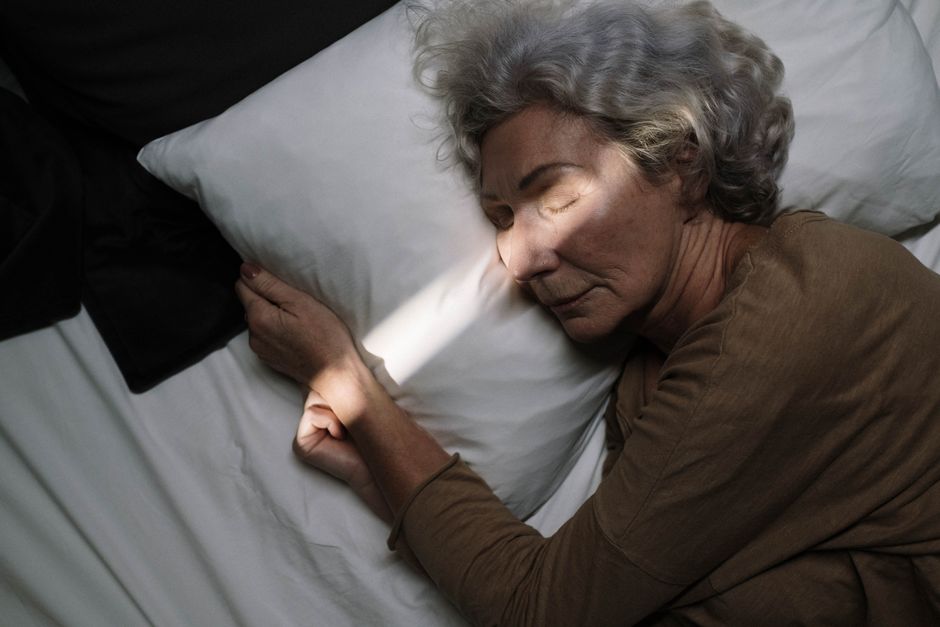
Falling asleep the moment you sit down is not a sign of laziness. It is a sign that your body is demanding rest it is not getting. For most people, this pattern points to a sleep debt, a sedentary lifestyle, or an underlying health condition that makes the transition from activity to stillness feel like a signal to shut down. The cause is rarely a single factor, but the good news is that most causes are identifiable and many are reversible.
Why Do I Keep Falling Asleep When I Sit Down?
The brain links stillness with sleep. When you move, your body receives constant sensory input that keeps your alertness systems active. When you stop moving, that input drops sharply. If you are already sleep-deprived, your brain treats the quiet moment as permission to initiate sleep.
This is not a character flaw. It is a biological response. Your body has a homeostatic sleep drive — the longer you stay awake, the stronger the pressure to sleep becomes. Sitting down removes the physical barriers that were keeping that pressure in check.
Some people also experience a drop in blood pressure when they sit or stand still for a while. In some cases, this triggers drowsiness or even fainting. But the most common explanation remains simple: your sleep drive is higher than your wakefulness drive, and sitting tips the balance.
What Is Sleep Debt and How Does It Cause Drowsiness?
Sleep debt is the accumulated difference between the sleep you need and the sleep you actually get. Most adults need between 7 and 9 hours of sleep per night. If you consistently get 6 hours, you are losing roughly an hour a day. Over a week, that is a full night of sleep missing.
The body keeps track of this loss. It does not reset just because you had a good night on Saturday. The pressure to sleep builds gradually and becomes harder to resist during quiet moments.
Research consistently shows that people who are sleep-deprived underestimate how impaired they are. They feel “fine” until they sit down in a warm room or on a comfortable chair. Then the sleep pressure takes over.
If you regularly fall asleep within minutes of sitting down — especially in situations where you intended to stay awake — that is a strong sign your sleep debt is significant.
Could It Be Sleep Apnea?
Sleep apnea is one of the most common medical causes of excessive daytime sleepiness. In sleep apnea, your airway partially or fully collapses during sleep, causing brief pauses in breathing. These pauses can happen dozens or even hundreds of times per night.
Each pause briefly wakes your brain — often without you knowing it. You may not remember waking, but your sleep is fragmented. The result is that you spend hours in bed but never reach the deep, restorative stages of sleep your body needs.
Common warning signs include loud snoring, gasping or choking sounds during sleep, waking with a dry mouth or headache, and feeling unrefreshed no matter how many hours you slept. If your partner has noticed you stop breathing during sleep, that is a strong signal to discuss sleep apnea with a doctor.
Untreated sleep apnea does more than make you sleepy. It increases the risk of high blood pressure, heart disease, and type 2 diabetes. A sleep study — either at home or in a clinic — can confirm the diagnosis.





What Other Medical Conditions Cause Sleepiness When Sitting?
Sleep apnea is not the only medical condition that causes this pattern. Several others produce excessive daytime sleepiness as a primary symptom.
Narcolepsy is a neurological disorder that disrupts the brain’s ability to regulate sleep-wake cycles. People with narcolepsy may fall asleep suddenly during the day, sometimes without warning. The sleepiness is not limited to sitting — it can happen while driving, talking, or eating. But sitting still makes it more likely to surface.
Restless legs syndrome can also cause daytime fatigue. The condition creates an uncomfortable urge to move the legs, especially at night, which can delay sleep onset and reduce sleep quality. The daytime result is the same: you feel drowsy when you finally sit still.
Hypothyroidism — an underactive thyroid — slows your metabolism and can cause profound fatigue. If you are also gaining weight, feeling cold, or experiencing dry skin, thyroid function is worth checking.
Anemia reduces the oxygen-carrying capacity of your blood. Low iron levels can leave you feeling exhausted, especially during quiet activities. This is more common in women, particularly those with heavy menstrual periods.
Depression and chronic stress also produce fatigue. The relationship is bidirectional — poor sleep worsens mood, and low mood worsens sleep. If your sleepiness is accompanied by persistent low mood, loss of interest in activities, or changes in appetite, mental health deserves attention.
Diabetes and prediabetes can also cause fatigue, particularly when blood sugar levels are poorly controlled. If you have other risk factors — such as a family history, excess weight, or a sedentary lifestyle — a blood sugar test is reasonable.
Is It Just Your Environment?
Sometimes the cause is not medical at all. It is environmental.
Warm rooms promote sleep. Your body temperature naturally drops as you fall asleep, and a warm environment supports that process. If your office, living room, or car is warm, you are more likely to feel drowsy.
Heavy meals have a similar effect. After eating, blood flow shifts toward your digestive system. That shift, combined with a drop in blood sugar after a high-carbohydrate meal, can produce noticeable drowsiness.
Boredom also matters. When your brain is understimulated, it reduces alertness. This is why people fall asleep in meetings, lectures, or long car rides. The brain is not receiving enough novel input to maintain wakefulness.
Low lighting has the same effect. Dim light signals to your brain that it is evening. If you sit in a dimly lit room, your brain may begin producing melatonin — the sleep hormone — even if it is only 2 p.m.
What Can You Do About It?
The first step is to determine whether the problem is sleep quantity, sleep quality, or something else entirely.
Prioritize sleep quantity. If you are sleeping less than 7 hours most nights, the most direct fix is to sleep more. This sounds obvious, but many people treat sleep as optional. It is not. Consistent sleep deprivation has measurable effects on attention, memory, mood, and physical health.
Improve sleep quality. If you are sleeping 7 to 9 hours but still falling asleep during the day, the issue is likely quality. A consistent sleep schedule — going to bed and waking at the same time every day, including weekends — helps anchor your circadian rhythm. Avoiding caffeine in the afternoon and limiting alcohol in the evening also improves sleep depth.
Move when you feel drowsy. If you feel sleep coming on while sitting, stand up. Walk around. Stretch. Physical movement resets your alertness systems. Even a 2-minute walk can interrupt the slide into sleep.
Brighten your environment. Turn on lights. Open curtains. If you work indoors, consider a bright light source near your workspace. Bright light suppresses melatonin and promotes alertness.
Eat lighter meals. If post-meal drowsiness is a pattern, try smaller lunches with more protein and fewer refined carbohydrates. This does not eliminate the effect, but it can reduce its intensity.
Take a strategic nap. A short nap of 10 to 20 minutes can restore alertness without leaving you groggy. Naps longer than 30 minutes often produce sleep inertia — the heavy, disoriented feeling after waking from deep sleep. If you nap, set an alarm.
When Should You See a Doctor?
Occasional drowsiness when sitting is normal. Falling asleep every time you sit down is not.
See a doctor if you have any of the following:
- You fall asleep within minutes of sitting down, even after a full night of sleep
- You fall asleep while driving, even briefly
- Your partner reports loud snoring or pauses in your breathing during sleep
- You wake up gasping or choking
- You feel unrefreshed after 7 to 9 hours of sleep
- Your sleepiness interferes with work, school, or daily responsibilities
- You have other symptoms like unintentional weight gain, persistent low mood, or extreme thirst
A doctor can order blood tests to check for thyroid problems, anemia, or blood sugar issues. They can also refer you for a sleep study if sleep apnea or narcolepsy is suspected. These are treatable conditions. Identifying them is the first step toward feeling awake during the day.
Do not dismiss persistent daytime sleepiness as normal aging or a busy lifestyle. The evidence consistently shows that excessive daytime sleepiness is associated with increased risks of accidents, cardiovascular events, and reduced quality of life. It deserves the same attention as any other health symptom.
Frequently Asked Questions
Why do I fall asleep as soon as I sit down?
Your body’s sleep drive is high, and sitting removes the physical activity that was keeping you awake. It is most often caused by sleep debt, poor sleep quality, or an underlying condition like sleep apnea.
Is falling asleep when sitting a sign of a health problem?
It can be. Persistent daytime sleepiness — especially after a full night of sleep — warrants a medical evaluation. Sleep apnea, narcolepsy, hypothyroidism, and anemia are among the conditions that can cause it.
How much sleep do I need to stop falling asleep during the day?
Most adults need between 7 and 9 hours of sleep per night. If you are already sleeping that much and still falling asleep when you sit down, the issue is likely sleep quality, not quantity.
Can caffeine help with daytime sleepiness?
Caffeine can temporarily mask sleepiness, but it does not fix the underlying cause. Relying on caffeine while ignoring chronic sleep loss can create a cycle of poor sleep and increasing caffeine dependence.
