
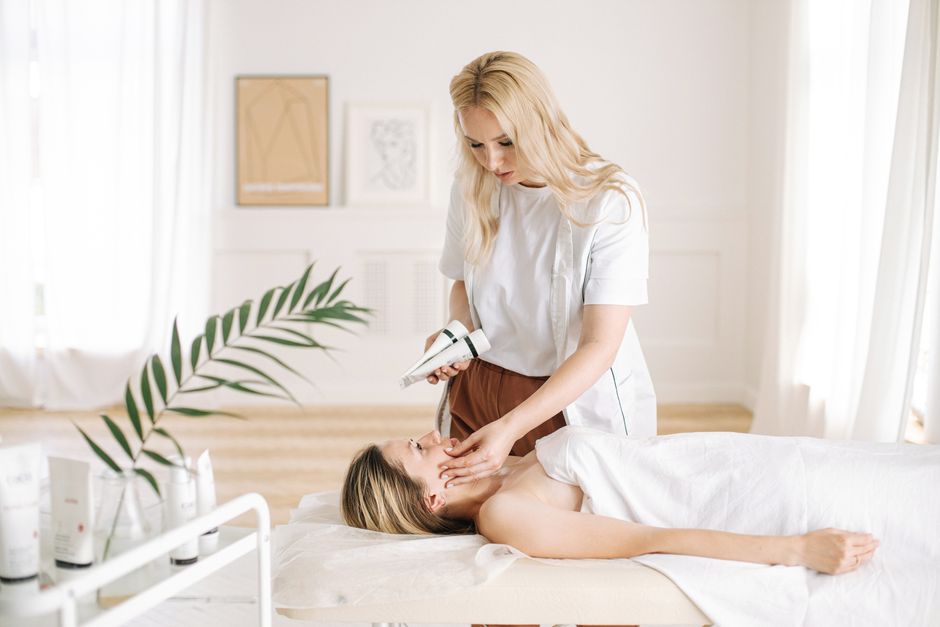
Red light therapy can trigger cold sores in people who carry the herpes simplex virus. The light does not create the virus, but it can wake it up from its dormant state. This reaction is a known side effect, not a sign that the therapy is failing or that the device is defective.
Why Does Red Light Therapy Trigger Cold Sores?
The herpes simplex virus type 1 (HSV-1) stays inactive in nerve cells after the first infection. For most people, that first infection happened in childhood. The virus hides quietly until something disturbs it.
Red light therapy delivers energy to the skin and the tissue beneath it. That energy increases blood flow and cellular activity. In some people, this stimulation reaches the nerve cells where the virus sleeps. The virus reacts to the change and begins replicating again. The result is a cold sore forming on the lip or around the mouth within days of a treatment session.
This is not unique to red light therapy. Many forms of skin stimulation can trigger an outbreak. Sun exposure, facial trauma, dental work, and even heavy wind can do the same thing. Red light therapy is simply another form of stimulation that some people’s nervous systems interpret as a signal to reactivate the virus.
How Common Is This Side Effect?
Clinical data on how often this happens is limited. Studies on red light therapy for cold sores have focused on using light to treat existing sores, not on how often the treatment triggers new ones. Some research suggests that light therapy can actually help heal cold sores faster when used at the right intensity.
What clinicians report is different from what formal studies show. Practitioners who offer red light therapy regularly see this reaction in patients with a history of cold sores. It is common enough that many clinics now ask about cold sore history before starting treatment on the face or mouth area.
The pattern is consistent with what dermatologists know about HSV-1. Any physical stress to the skin or nerves in the trigeminal region — the area that includes the lips and mouth — carries some risk of reactivation. Red light therapy is a physical stimulus, so it carries that same risk.
Who Is Most Likely to Get Cold Sores From Red Light Therapy?
People who have had cold sores before are the primary group at risk. If you have never had a cold sore, you may still carry the virus — roughly half to two-thirds of adults worldwide carry HSV-1 — but you are far less likely to have an outbreak triggered by light therapy if you have no history of them.
Several factors increase the risk of reactivation:
- A recent cold sore outbreak — the virus is more active and closer to the skin surface
- Stress or illness — both suppress immune function and make reactivation easier
- Hormonal changes — menstruation and pregnancy can trigger outbreaks
- Multiple treatments in a short period — more stimulation means more chances for reactivation
- Higher intensity settings — stronger light delivers more energy to the tissue
If you fall into any of these categories, the risk is real but not guaranteed. Many people with a cold sore history use red light therapy without ever having an outbreak. Others get one after a single session.




What Do Cold Sores From Red Light Therapy Look Like?
The outbreak follows the same pattern as any cold sore. You may feel tingling, burning, or itching on the lip a day or two before anything appears. That sensation is the virus reactivating and moving toward the skin surface.
Within a day or two, small fluid-filled blisters form. They cluster together on or around the lip. The blisters may break open, weep fluid, and then crust over. The entire process typically lasts 7 to 10 days from first symptom to full healing.
Some people mistake the initial redness and warmth from red light therapy for the start of a cold sore. The therapy itself causes temporary redness that fades within a few hours. A cold sore, by contrast, progresses to blisters over the following days. If you see blisters forming, it is a cold sore, not a treatment reaction.
Can You Prevent Cold Sores Before Red Light Therapy?
If you have a history of cold sores, you can take steps before starting treatment. Antiviral medications such as acyclovir, valacyclovir, and famciclovir can suppress the virus. Some clinicians recommend taking a preventive dose before and after light therapy sessions for people with frequent outbreaks.
This is a clinical decision, not something to self-prescribe. Antiviral medications require a prescription in the United States. Talk to your doctor about whether preventive dosing makes sense for your situation. The evidence for this specific use — preventing light-triggered cold sores — is limited, but the medications are well established for suppressing HSV-1 reactivation generally.
Other preventive measures have less evidence behind them. Lysine supplements are widely marketed for cold sore prevention, but clinical trials have produced mixed results. Some studies suggest a benefit at higher doses; others show no effect. No large, high-quality trial has confirmed that lysine reliably prevents cold sores.
Timing matters as well. If you have an active cold sore, wait until it fully heals before using red light therapy on your face. Treating an active sore with red light is a separate question — some research indicates it may speed healing — but starting a new therapy during an active outbreak is not advisable without medical guidance.
What Should You Do If a Cold Sore Appears After Treatment?
Treat it the same way you would treat any cold sore. Over-the-counter creams containing docosanol can shorten healing time if applied early. Prescription antivirals work best when started within 48 hours of the first tingling sensation.
Keep the area clean and avoid touching it. Cold sores are highly contagious. The fluid inside the blisters contains live virus that can spread to other people or to other parts of your own body, including your eyes — which is a serious complication requiring immediate medical attention.
Do not pick at the scab. Let it fall off naturally. Picking can cause scarring and prolong healing.
Once the sore has healed, you can decide whether to continue red light therapy. Some people choose to stop entirely. Others continue with preventive antiviral medication or simply accept the occasional outbreak as a trade-off for the benefits they get from treatment. There is no wrong answer here — it depends on your priorities and how your body responds.
Is Red Light Therapy Still Worth Using If You Get Cold Sores?
That depends on what you are using it for. Red light therapy has evidence behind it for several uses: reducing skin inflammation, supporting wound healing, and improving the appearance of fine lines and wrinkles. Some research also supports its use for joint pain and muscle recovery.
None of these benefits are more important than your comfort and health. If cold sores appear after every session, the therapy may not be worth the disruption. If outbreaks are rare and mild, you might decide the benefits outweigh the occasional sore.
Some practitioners suggest adjusting treatment parameters to reduce the risk. Lower intensity, shorter sessions, and longer gaps between treatments may help. No clinical studies have confirmed that these adjustments prevent outbreaks, but they are reasonable strategies to discuss with a clinician.
Are At-Home Devices Riskier Than Professional Treatments?
At-home red light devices are generally lower in intensity than professional machines. Lower intensity means less energy delivered to the tissue, which may mean less stimulation to the virus. But no studies have directly compared outbreak rates between home and professional devices.
At-home devices do carry one specific risk: they are easier to overuse. Professional treatments follow a scheduled protocol. At home, you might use the device daily or for longer sessions than recommended. More frequent stimulation increases the chance of triggering a reactivation.
Follow the manufacturer’s instructions for your specific device. Do not exceed the recommended session length or frequency. If you have a history of cold sores and want to use an at-home device, start with shorter sessions and watch for any tingling sensation afterward.
What the Evidence Does and Does Not Show
The evidence that red light therapy can trigger cold sores is largely clinical observation, not controlled trials. No major study has set out to measure how often this happens. The connection is well established enough that many clinics ask about cold sore history before facial treatments, but the exact rate of occurrence is unknown.
What is well established is the biology. HSV-1 reactivation in response to physical and environmental triggers is documented extensively in medical literature. Red light therapy is a physical stimulus to the exact area where the virus resides. The mechanism is sound, even if the specific statistics are not available.
If you are considering red light therapy and have a cold sore history, the honest position is this: you may get cold sores from it. You may not. The only way to know for certain is to try it and observe what happens. Starting with a professional who can guide you through the process is a reasonable first step.
Frequently Asked Questions
Can red light therapy cause cold sores if I have never had one?
It is possible but less likely. You may carry the virus without knowing it, but people with no history of cold sores rarely have one triggered by light therapy.
How long after red light therapy do cold sores appear?
Most people notice tingling within 24 to 48 hours, with blisters forming a day or two later. The full outbreak typically lasts 7 to 10 days.
Should I stop red light therapy if I get a cold sore?
Stop treatment until the sore fully heals. After healing, you can decide whether to resume, possibly with preventive antiviral medication prescribed by your doctor.
Does red light therapy help heal cold sores faster?
Some research suggests light therapy may speed healing of existing cold sores, but the evidence is not strong enough to recommend it as a standard treatment. Antiviral medications remain the most reliable option.
