
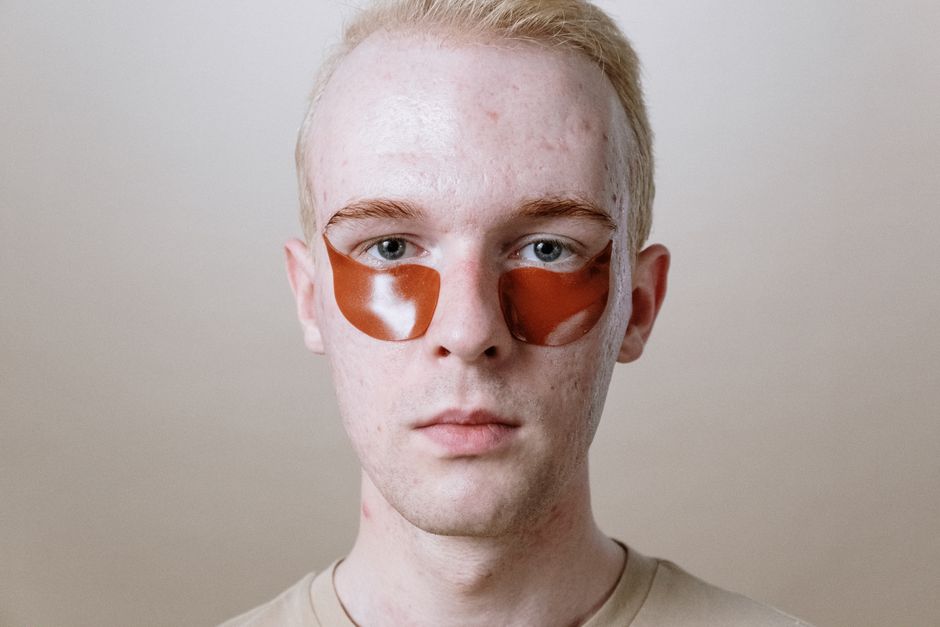
Acne is one of the most common skin conditions in the United States, and it does not only affect teenagers. Many adults in their 30s, 40s, and 50s still deal with breakouts. The treatments that actually clear acne are the ones that target its known causes: excess oil, clogged pores, the bacterium Cutibacterium acnes, and inflammation. Proven options include topical retinoids, benzoyl peroxide, salicylic acid, and prescription medications for moderate to severe cases. No single product works for everyone, and consistency matters more than strength.
What Actually Causes Acne?
Acne starts in the hair follicle, a tiny canal that holds a hair and a sebaceous gland. That gland produces sebum, an oil that normally travels up the follicle and out onto the skin. Acne develops when several things happen at once.
First, the sebaceous glands produce more oil, often driven by hormones called androgens. Second, dead skin cells inside the follicle do not shed normally and clump together. Third, the combination of oil and trapped cells plugs the pore. Fourth, the bacterium Cutibacterium acnes multiplies inside the blocked follicle. Finally, the immune system responds with inflammation, which produces the redness, swelling, and tenderness of a pimple.
This sequence explains why acne is not caused by dirty skin. Scrubbing harder does not help and often makes things worse. It also explains why no single ingredient fixes everything. A product that only kills bacteria leaves the clogged pore in place. A product that only unclogs pores does not address inflammation.
Hormones play a large role. This is why acne often appears during puberty, around menstrual cycles, and during pregnancy. It also explains why some adult women develop acne for the first time in their 30s or 40s despite having clear skin as teenagers.
Which Over-the-Counter Ingredients Have Real Evidence?
A small number of nonprescription ingredients have solid research behind them. These are the ones worth trying first for mild acne.
- Benzoyl peroxide kills C. acnes and reduces inflammation. It is one of the most studied acne ingredients available without a prescription. It can bleach towels and clothing, so use white bedding if you apply it at night.
- Salicylic acid helps break down the material clogging pores. It tends to work best for blackheads and whiteheads rather than deep, inflamed cysts.
- Adapalene is a topical retinoid that was previously prescription-only and is now available over the counter in the US. It helps prevent pores from clogging in the first place. Retinoids are considered a cornerstone of acne treatment by most dermatologists.
- Azelaic acid has evidence for both acne and redness. It is often better tolerated than stronger ingredients, which makes it an option for people with sensitive skin.
Ingredients you may see marketed heavily but that have weaker evidence include most botanical extracts, charcoal, and many “purifying” toners. That does not mean they do nothing. It means the research does not support them as primary treatments.
What Helps Clear Acne Treatments That Actually Work for Moderate to Severe Cases?
When over-the-counter products are not enough, prescription treatment becomes the realistic path. Moderate to severe acne — meaning many inflamed pimples, nodules, or cysts — usually needs a combination approach rather than a single product.
Dermatologists commonly prescribe topical retinoids such as tretinoin, tazarotene, or adapalene. These normalize how skin cells shed inside the follicle, which addresses one of the root causes. They take time. Most people see meaningful improvement after 8 to 12 weeks of consistent use, not days.
Oral antibiotics such as doxycycline or minocycline are sometimes added for inflammatory acne. They work faster than topicals alone, but they are typically used for a limited period because of concerns about antibiotic resistance. They are usually paired with a topical retinoid and benzoyl peroxide so that improvement continues after the antibiotic stops.
For severe nodular acne or acne that has not responded to other treatments, oral isotretinoin remains the most effective option available. It is also the one with the most serious potential side effects, including birth defects, and it requires close monitoring. This is a decision to make with a dermatologist, not from an online review.
Hormonal treatments can help some women. Combined oral contraceptives and spironolactone are both used, though spironolactone is not FDA-approved specifically for acne and is prescribed off-label. Response varies, and these options require a clinician’s involvement.




Why Do Acne Treatments Take So Long to Work?
Skin renews itself on a cycle of roughly four to six weeks. A follicle that is already clogged has to work its way to the surface before a treatment can change what happens next. This is why nearly every effective acne treatment comes with the same instruction: give it time.
There is a frustrating wrinkle. Some treatments, especially retinoids, can cause a temporary flare in the first few weeks. Pores that were already forming a blockage push their contents to the surface faster. This is sometimes called purging. It is not a sign the product is failing, but it is also not something to push through indefinitely. If skin is irritated and getting worse after two to three months, that is worth a conversation with a doctor.
Consistency matters more than intensity. Applying a retinoid every night when your skin cannot tolerate it leads to irritation, and irritated skin is more prone to breakouts. Many dermatologists recommend starting every other night and building up.
What Makes Acne Worse Even When You Are Treating It?
Treatment fails for predictable reasons. Recognizing them saves months of frustration.
- Stopping too early. Improvement that appears at week six can disappear if treatment stops at week eight.
- Using too many active ingredients at once. Layering benzoyl peroxide, salicylic acid, and a retinoid in the same routine often causes irritation rather than faster clearing.
- Picking and squeezing. This pushes inflammation deeper and increases the risk of scarring and dark spots.
- Harsh scrubs and cleansing brushes. Physical friction does not unclog pores and can worsen inflammation.
- Skipping moisturizer. Dry, compromised skin is more easily irritated, which can trigger more breakouts.
Diet is a common question. The evidence here is mixed and often overstated online. Some studies suggest that high-glycemic diets may be associated with acne in some people, but the findings are not consistent enough to make diet a first-line treatment. Dairy has been studied with similarly mixed results. No diet has been shown to clear acne on its own.
When Should You See a Dermatologist?
Seeing a doctor early is not an overreaction. Acne that leaves scars, causes dark spots, or affects how you feel about your appearance is a medical issue, not a cosmetic one.
Consider a dermatologist if you have deep, painful nodules or cysts, if over-the-counter products have not helped after about three months of consistent use, if you are developing scars, or if acne is affecting your mood or daily life. Scarring from acne can be permanent, and treating acne earlier reduces that risk.
For many people, the most effective approach is a combination: a topical retinoid, benzoyl peroxide, and a gentle cleanser and moisturizer, adjusted over time by a clinician. There is no single product that clears everyone’s acne. There is a process that works for most people, and it usually involves patience and a willingness to adjust.
Frequently Asked Questions
What is the most effective treatment for acne?
Topical retinoids are considered the foundation of acne treatment by most dermatologists, often combined with benzoyl peroxide. For severe or stubborn acne, oral isotretinoin is the most effective option but also the one with the most serious potential side effects.
How long does it take for acne treatment to work?
Most effective treatments take about 8 to 12 weeks of consistent use before clear improvement appears. Some people notice a temporary worsening in the first few weeks, which is common with retinoids and does not mean the treatment is failing.
Does diet cause acne?
The evidence is mixed. Some studies suggest high-glycemic diets may be linked to acne in some people, but no diet has been shown to clear acne on its own. Diet is not considered a first-line treatment.
Can I use benzoyl peroxide and a retinoid together?
Yes, this combination is commonly recommended, but applying both at full strength at the same time can cause irritation. Many clinicians suggest using them at different times of day or alternating nights when starting out.
