
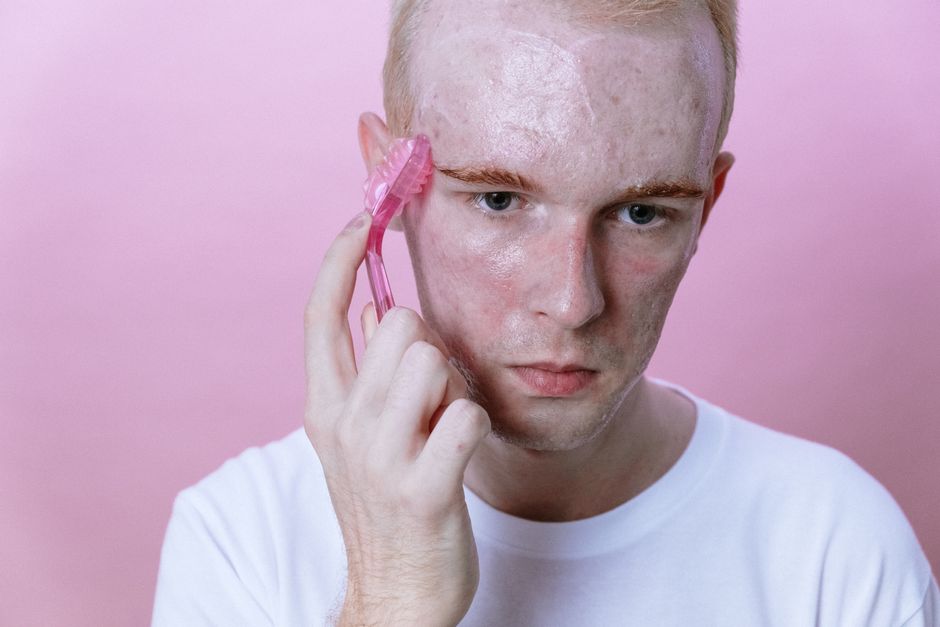
Fungal acne is not acne at all. It is a fungal infection of the hair follicles caused by an overgrowth of yeast that naturally lives on your skin. The habits that prevent it are different from the habits that prevent regular acne, and using the wrong ones can make it worse. The most effective prevention strategy focuses on keeping the skin dry, avoiding occlusive products, and using targeted antifungal washes rather than traditional acne treatments.
What Is Fungal Acne and Why Do Regular Acne Habits Fail?
Fungal acne, medically known as Malassezia folliculitis, happens when yeast gets trapped inside hair follicles. The yeast feeds on the natural oils your skin produces. When it multiplies, it causes small, itchy, red bumps that look similar to acne but behave differently.
Standard acne treatments target bacteria and oil production. They do not kill yeast. In fact, many acne products make fungal acne worse because they add oils or change the skin barrier in ways that help the yeast multiply. This is why someone can treat their skin like they have acne for months and see no improvement — they are treating the wrong organism.
The bumps usually appear on the chest, back, and shoulders. They can also appear on the forehead and along the hairline. Unlike regular acne, fungal acne tends to be itchy and often appears in clusters of small, uniform bumps.
How To Prevent Fungal Acne Habits That Actually Work
The habits that actually work all share one goal: keep the yeast from getting what it needs to overgrow. The yeast needs three things to thrive — warmth, moisture, and skin oils. Remove any one of these and you disrupt its ability to multiply.
Shower promptly after sweating. This is the single most important habit. Sweat creates the warm, damp environment where yeast thrives. Letting sweat dry on your skin after a workout, a long walk, or a hot day gives the yeast hours to multiply. Shower as soon as you can after heavy sweating. If you cannot shower immediately, at least change out of damp clothing and pat the sweaty areas dry with a clean towel.
Wash with an antifungal cleanser two to three times per week. Over-the-counter washes containing ketoconazole or pyrithione zinc are the most commonly used options. These ingredients have antifungal properties that reduce yeast populations on the skin. Use them on the affected areas like a body wash, leaving them on for a few minutes before rinsing. Do not use them on your face daily — they can be drying. For the face, a gentle cleanser with pyrithione zinc is often better tolerated.
Wear loose, breathable clothing. Tight clothing traps heat and sweat against the skin. Fabrics that do not breathe, like some synthetics, make the problem worse. Choose moisture-wicking athletic wear for workouts and cotton or other breathable fabrics for everyday wear. Change out of workout clothes immediately after exercise.
Choose skincare products carefully. Check the ingredient lists of your moisturizers, sunscreens, and makeup. Many contain oils and fatty acids that feed the yeast. Ingredients like oleic acid, stearic acid, and various plant oils are common culprits. Look for oil-free, non-comedogenic products, but understand that “non-comedogenic” does not guarantee a product is safe for fungal acne. The label means it does not clog pores — it does not mean it does not feed yeast.
Which Skincare Ingredients Feed Fungal Acne?
Some ingredients are well documented as triggers for Malassezia overgrowth. The yeast metabolizes certain fatty acids, and when those are present on your skin, the yeast population can expand rapidly.
Common ingredients that can feed the yeast include:
- Oleic acid and products high in it, like olive oil and avocado oil
- Stearic acid, found in many creams and lotions
- Palmitic acid, another common emollient
- Most plant oils, including coconut oil, jojoba oil, and argan oil
- Fatty acid esters and polysorbates used as emulsifiers
This does not mean you must avoid every product with these ingredients. It means if you have persistent fungal acne that keeps returning, these ingredients are worth investigating. The most practical approach is to simplify your routine — use fewer products, and use only ones with short ingredient lists that you can verify are free of these oils.
Products formulated specifically for fungal acne are becoming more common. They typically use ingredients like caprylic/capric triglyceride or squalane as moisturizing bases instead of the oils that feed yeast. These are not necessarily better because they are marketed differently — they are better because of the specific ingredients they avoid.




Is It Fungal Acne or Regular Acne?
Getting this right matters because the treatments are different and sometimes opposite. Regular acne treatments often contain benzoyl peroxide or salicylic acid. These can irritate fungal acne without clearing it, and the irritation can make the bumps look worse.
Fungal acne tends to have a few distinguishing features. It itches more than regular acne. The bumps are usually all the same size and appear in clusters. They often show up on the chest, back, and shoulders rather than the face. And the bumps often contain no whitehead — they look like small red or skin-colored bumps under the surface.
If you are not sure what you have, a dermatologist can examine the skin under a microscope to confirm the diagnosis. This is worth doing if over-the-counter treatments have not worked. Some skin conditions look similar to fungal acne, including bacterial folliculitis and certain types of eczema. Treating the wrong condition wastes time and can make the skin worse.
What Makes Fungal Acne Keep Coming Back?
Even with good prevention habits, fungal acne can recur. The yeast is a normal part of your skin’s microbiome — it never goes away completely. The goal is managing its population, not eliminating it.
Common reasons it returns include:
- Skipping the antifungal wash once symptoms clear — the yeast rebounds within days
- Going back to oily skincare products too quickly
- Repeated heavy sweating without prompt showering
- Wearing tight, non-breathing clothing regularly
- Using regular acne treatments that disrupt the skin barrier
Some people find they need to use an antifungal wash indefinitely, once or twice a week, to keep the yeast in check. This is a maintenance strategy, not a treatment failure. The yeast will always be there — the wash keeps it from overgrowing.
Humidity is another factor. If you live in a humid climate or spend time in hot environments, you may need to be more diligent about drying your skin thoroughly after washing. Pay attention to skin folds and areas where sweat collects.
When Should You See a Dermatologist?
See a dermatologist if the bumps are painful, spreading, or not improving after several weeks of consistent antifungal washing. Also see one if the bumps appear on your face and are not responding to gentle care — facial skin is more delicate, and stronger treatments are best supervised by a professional.
A dermatologist can prescribe stronger antifungal treatments that are not available over the counter. These may include oral antifungal medications or prescription-strength topical creams. Oral antifungals are generally reserved for widespread or stubborn cases because they can interact with other medications and require monitoring.
If you are pregnant, breastfeeding, or have a medical condition that affects your immune system, talk to a doctor before using any antifungal treatment, even over-the-counter washes. No clinical guidelines currently exist for using these products in pregnancy, and professional guidance is the safest path.
Can Diet Affect Fungal Acne?
Some online sources claim that cutting sugar or carbohydrates will cure fungal acne. The evidence for this is limited. The yeast that causes fungal acne feeds on skin oils, not directly on the sugar you eat. There is no strong clinical evidence that dietary changes alone prevent or cure Malassezia folliculitis.
That said, a diet high in refined carbohydrates can affect blood sugar and insulin levels, which can influence skin oil production in some people. This is an indirect effect and it applies to general skin health, not specifically to fungal acne. If you want to eat a balanced diet for overall health, that is reasonable. But do not expect dietary changes to replace the topical prevention habits described above.
Frequently Asked Questions
Can I use dandruff shampoo on fungal acne?
Yes, dandruff shampoos containing ketoconazole or pyrithione zinc are commonly used as body washes for fungal acne. Use them on the affected areas and leave them on for a few minutes before rinsing.
How long does it take for fungal acne to clear?
With consistent use of an antifungal wash, visible improvement typically appears within one to two weeks. Complete clearing can take four to six weeks in some cases.
Is fungal acne contagious?
No, fungal acne is not contagious. The yeast that causes it lives naturally on everyone’s skin, and it is not transmitted from person to person.
Should I stop using moisturizer if I have fungal acne?
You do not need to stop moisturizing, but you should switch to a moisturizer that does not contain oils or fatty acids that feed yeast. Look for products with short ingredient lists and avoid plant oils and stearic acid.
