
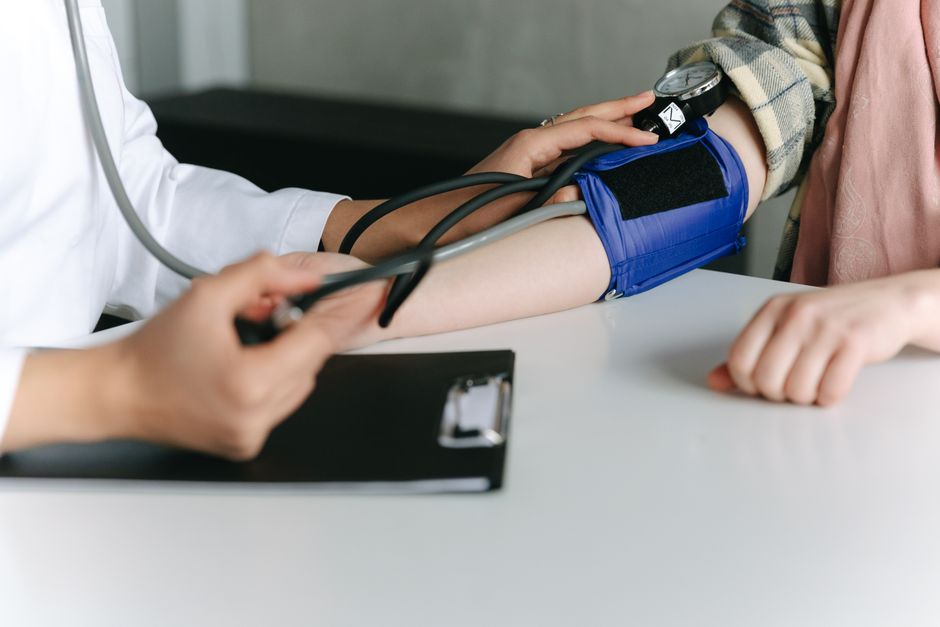
Poor circulation in the legs is a common problem, especially as we age. It can cause cold feet, cramping, heaviness, and swelling. The good news is that daily movement and specific food choices directly improve blood flow by strengthening your calf muscles and supporting blood vessel health. Walking, leg raises, and ankle pumps are proven exercises, while foods rich in nitrates, omega-3s, and antioxidants help relax arteries and reduce inflammation.
Why Does Blood Pool or Slow Down in the Legs?
Your arteries push blood down to your feet with each heartbeat. But veins have a harder job. They must push blood back up to your heart against gravity. They rely on one-way valves and the squeezing action of your calf muscles. When you sit for long hours, those muscles stay still. Blood slows down and can pool in your lower legs. This is why you may feel swelling or achiness after a long flight or a full day at a desk. Weak valves can also cause chronic venous insufficiency, a condition where blood struggles to return upward. This is different from peripheral artery disease, which is a blockage in the arteries. Both conditions reduce effective circulation, but they require different management. If you have persistent leg pain when walking that fades when you rest, that is a classic sign of arterial blockage and needs a medical evaluation.
What Helps Blood Flow In Legs Exercises Food Habits?
Movement is the most direct answer. Your calf muscles act as a secondary heart for your lower body. Every time they contract, they squeeze the deep veins and push blood upward. Consistent exercise also stimulates the release of nitric oxide, a molecule that relaxes and widens blood vessels. For food, the goal is to reduce inflammation and keep arteries flexible. A diet rich in vegetables, fruits, whole grains, and healthy fats supports this. Cutting back on processed foods and excess sodium reduces water retention, which takes pressure off your veins. The combination of daily movement and an anti-inflammatory diet is the most effective lifestyle strategy for improving leg circulation.
Best Exercises for Leg Circulation
Any exercise that engages your lower legs helps. The key is consistency. Aim for movement every day, even if it is just a short walk. Walking is the single best exercise for circulation because it rhythmically contracts your calves. Swimming and cycling are also excellent because they are low-impact and keep your legs moving without jarring your joints.
Simple Exercises You Can Do Anywhere
- Ankle pumps: While sitting or lying down, point your toes toward you, then away from you. Repeat for 30 seconds. This activates the calf muscle pump without standing.
- Calf raises: Stand with your feet flat. Rise onto your toes, hold for a second, then lower. Do 10 to 15 repetitions. This directly strengthens the muscles that push blood upward.
- Leg raises: While sitting in a chair, straighten one leg out in front of you. Hold for a few seconds, then lower. Repeat with the other leg. This engages the thigh muscles and improves blood flow.
- Heel-to-toe walking: Walk on your heels for 20 steps, then walk on your toes for 20 steps. This challenges balance and works different muscle groups in the lower leg.
For people with peripheral artery disease, a structured walking program is a standard recommendation. The discomfort during walking is expected, but resting briefly and then resuming can gradually build your walking distance. Some research suggests that interval walking — walking at a moderate pace until moderate pain, resting until it eases, then repeating — improves walking ability and circulation over time.

Foods That Support Healthy Blood Flow
Diet alone cannot fix a blocked artery, but it can improve blood vessel function and reduce factors that damage circulation. Focus on foods that boost nitric oxide production and lower inflammation.
Foods Rich in Nitrates
Nitrates convert to nitric oxide in the body. Nitric oxide relaxes blood vessels and improves blood flow. Beets and leafy greens like spinach, arugula, and kale are the richest sources. Some studies suggest that beetroot juice can lower blood pressure and improve exercise performance, though results vary from person to person. Adding a handful of spinach to your meals or drinking beet juice a few times a week is a reasonable step.
Foods with Omega-3 Fatty Acids
Omega-3s reduce inflammation in blood vessels and help keep them flexible. Fatty fish like salmon, mackerel, and sardines are the best sources. Flaxseeds, chia seeds, and walnuts provide a plant-based form of omega-3s. Eating fish two to three times per week is a common dietary recommendation for heart and vascular health.
Antioxidant-Rich Fruits and Vegetables
Antioxidants protect the inner lining of blood vessels from oxidative stress. This lining, called the endothelium, is critical for regulating blood flow. Citrus fruits, berries, and tomatoes provide vitamin C and flavonoids. Dark chocolate with a high cocoa content also contains flavanols that support blood vessel function. The evidence for flavanols is solid, but portion control matters because chocolate is calorie-dense.
What to Limit
Excess sodium causes your body to retain fluid. That extra fluid increases blood volume and puts more pressure on your veins. Processed foods, canned soups, and fast food are the biggest sources of hidden sodium. Refined carbohydrates and sugary drinks also promote inflammation. You do not need to eliminate these entirely, but reducing them supports better circulation.
Hydration and Its Direct Effect on Blood
Your blood is about half water. When you are dehydrated, your blood becomes thicker and more viscous. Thicker blood moves more slowly through your vessels. Mild dehydration can reduce blood flow to the extremities. Drinking enough water throughout the day supports normal blood volume and keeps your blood flowing smoothly. A simple goal is to drink when you are thirsty and to increase intake during hot weather or exercise. Urine color is a practical guide — pale yellow indicates adequate hydration.
Lifestyle Habits That Help Beyond Diet and Exercise
Movement and food are the foundation, but other habits matter for leg circulation.
Elevate Your Legs
When you sit or lie down, prop your legs up so they are at or above heart level. This uses gravity to assist venous return. Even 15 to 20 minutes a day can reduce swelling and heaviness in the lower legs. This is especially helpful after long periods of standing or sitting.
Avoid Prolonged Sitting
If you work at a desk, stand up and walk for two minutes every hour. Set a timer if needed. This breaks up the periods of inactivity that allow blood to pool. Compression stockings can also help. They apply graduated pressure that supports the veins and prevents blood from pooling. They are commonly recommended for people with chronic venous insufficiency or those who stand for long shifts.
Quit Smoking
Smoking damages the inner lining of blood vessels and accelerates atherosclerosis. It also causes blood vessels to constrict, which reduces blood flow to the legs. Quitting smoking is one of the most impactful things you can do for circulation, but the benefits take time to appear. The vascular system begins to repair itself within weeks of stopping.
Manage Blood Pressure and Blood Sugar
High blood pressure damages the delicate endothelium over time. High blood sugar does the same. If you have hypertension or diabetes, keeping these conditions well-controlled protects your blood vessels. This is not optional advice — it is the standard of care for preventing vascular complications.
When to See a Doctor
Occasional leg heaviness after a long day is normal. But certain symptoms warrant medical attention. See a doctor if you have leg pain that comes on with walking and resolves with rest. This is called claudication and it signals reduced arterial blood flow. Seek urgent care if you have sudden swelling, pain, warmth, or redness in one leg. These could be signs of a deep vein thrombosis, a blood clot that requires immediate treatment. Other warning signs include non-healing sores on your feet or legs, skin that looks pale or bluish, and legs that feel consistently cold compared to the rest of your body. These symptoms deserve a professional evaluation rather than home remedies.
Frequently Asked Questions
How long does it take to improve leg circulation with exercise?
Most people notice reduced heaviness and swelling within a few weeks of daily walking or calf exercises. Structural improvements in blood vessel function typically take several weeks to a few months of consistent activity.
Do compression socks really help blood flow in legs?
Yes, compression socks apply graduated pressure that supports vein function and prevents blood pooling. They are most effective for venous insufficiency and for people who stand or sit for long periods.
Can drinking more water improve circulation in my legs?
Mild dehydration thickens the blood and slows circulation. Maintaining normal hydration supports healthy blood volume and flow, but water alone cannot fix circulation problems caused by blocked arteries.
What foods should I avoid for poor leg circulation?
Limit foods high in sodium, refined sugar, and trans fats, as these promote fluid retention and inflammation. Highly processed foods are the main source of these ingredients.
