
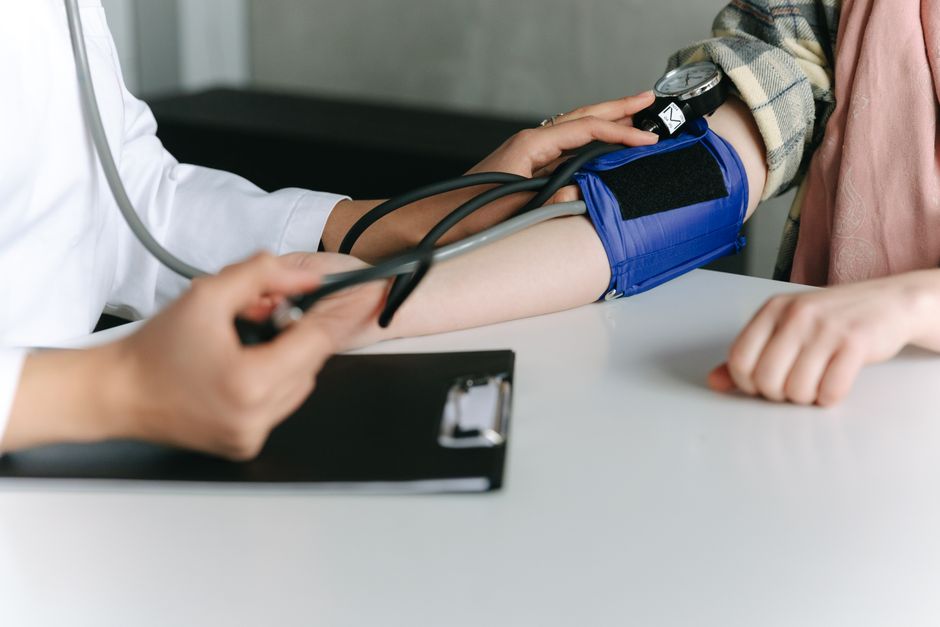
Good blood flow keeps your heart, brain, and muscles working the way they should. The most effective ways to improve circulation are a consistent exercise routine and a diet rich in whole foods. While supplements and other lifestyle changes get attention, regular movement and eating the right vegetables, fruits, and healthy fats have the strongest evidence behind them.
How Does Exercise Improve Blood Flow?
Exercise forces your heart to pump more blood with each beat. Over time, this makes the heart stronger and more efficient. It also triggers the release of nitric oxide, a molecule that relaxes and widens blood vessels. Wider vessels mean lower resistance and better circulation.
You do not need to run a marathon to see benefits. Brisk walking, cycling, swimming, or any activity that raises your heart rate for 30 minutes most days of the week is enough. The key is consistency, not intensity. Even light activity is better than being sedentary all day.
One important detail: the benefits of exercise on circulation fade quickly when you stop. Studies show that blood vessel function can decline within days or weeks of becoming inactive. This is a lifelong habit, not a one-time fix.
What Foods Naturally Improve Circulation?
Your diet directly affects how well your blood moves through your body. Certain foods contain compounds that support blood vessel health and help prevent the stiffness that comes with age.
Beets and leafy greens are rich in dietary nitrates. Your body converts these nitrates into nitric oxide, the same molecule that exercise produces. Research published in the journal Hypertension found that drinking beet juice lowered blood pressure within hours in healthy adults. Spinach, arugula, and celery have similar effects.
Fatty fish like salmon, mackerel, and sardines provide omega-3 fatty acids. These fats reduce inflammation in blood vessels and improve their flexibility. The American Heart Association recommends eating fish at least twice a week for cardiovascular health.
Berries and citrus fruits contain flavonoids and vitamin C. These compounds protect the inner lining of blood vessels from damage. Blueberries, strawberries, oranges, and grapefruit all qualify. Some research suggests that regular berry consumption is linked to better artery function.
Garlic has been studied for its ability to relax blood vessels. The active compound allicin appears to stimulate nitric oxide production. While the effect is modest compared to exercise, adding garlic to your meals is a simple way to support circulation.
Dark chocolate with at least 70% cacao contains flavanols that improve blood vessel dilation. The effect is real but temporary, lasting only a few hours. And the added sugar in most chocolate products can offset the benefits, so moderation matters.
What Else Helps With Blood Flow Diet Exercise More?
Diet and exercise are the foundation, but several other factors influence circulation. These are worth addressing if you want the best results.
Hydration plays a larger role than most people realize. Blood is about 90% water. When you are dehydrated, your blood becomes thicker and harder to pump. Even mild dehydration can reduce blood flow to your extremities. Aim for enough water throughout the day so your urine stays light yellow.
Quitting smoking is arguably the single most impactful thing a smoker can do for circulation. Nicotine constricts blood vessels, and the chemicals in tobacco smoke damage their inner walls. Within weeks of quitting, blood flow improves noticeably.
Stress management matters because stress hormones like cortisol and adrenaline cause blood vessels to narrow. Chronic stress keeps them narrowed. Deep breathing, meditation, and adequate sleep all help keep stress hormones in check.
Compression socks are commonly recommended for people with poor circulation in the legs. They work by applying gentle pressure that helps blood move upward against gravity. They are especially useful for people who stand or sit for long hours. However, they treat the symptom rather than the cause. They do not replace exercise or a healthy diet.
Does Weight Loss Improve Blood Flow?
Excess body weight puts additional strain on your cardiovascular system. Every pound of fat requires blood vessels to supply it with oxygen and nutrients. This increases the workload on your heart and raises blood pressure.
Weight loss, even modest amounts, improves circulation. Losing 5-10% of your body weight is associated with measurable improvements in blood pressure and blood vessel function. This is not about appearance. It is about reducing the physical demand on your heart.
Visceral fat — the fat stored around your organs — is particularly harmful. It produces inflammatory compounds that damage blood vessels. Weight loss reduces these inflammatory signals. The combination of diet changes and exercise is the most effective approach for both weight loss and circulatory health.
When Should You See a Doctor About Circulation Problems?
Some circulation issues cannot be fixed with lifestyle changes alone. If you experience any of the following symptoms, see a doctor:
- Numbness or tingling in your hands or feet that persists
- Leg pain or cramping when walking that goes away with rest
- Swelling in your legs, ankles, or feet
- Skin that is pale, blue, or cold to the touch
- Slow-healing wounds on your feet or legs
- Sudden severe chest pain or shortness of breath
These symptoms can indicate peripheral artery disease, deep vein thrombosis, or other conditions that require medical treatment. Do not assume that diet and exercise alone will resolve them. Early diagnosis improves outcomes significantly.
People with diabetes, high blood pressure, or high cholesterol should monitor their circulation closely. These conditions damage blood vessels over time. Regular checkups can catch problems before they become serious.
Can Supplements Replace Diet and Exercise?
No. The supplement market is full of products claiming to boost circulation, but the evidence is weak for most of them. Some supplements, like L-arginine and pycnogenol, have small studies supporting their use. But these studies are often short-term and small in scale.
No supplement has been shown to match the benefits of regular physical activity and a healthy diet. The mechanisms that exercise and food trigger — nitric oxide production, reduced inflammation, improved blood vessel flexibility — involve complex interactions that no single pill replicates.
If you are considering a circulation supplement, talk to your doctor first. Some supplements interact with blood thinners and blood pressure medications. Ginkgo biloba, for example, can increase bleeding risk. What works for your friend may not be safe for you.
How Long Before You Notice Improvements?
Some improvements happen quickly. A single exercise session increases blood flow for several hours afterward. Blood pressure can drop within days of starting regular exercise and eating more vegetables.
Structural changes take longer. Blood vessels become more flexible and new capillaries form over weeks to months of consistent training. Most people notice measurable improvements in circulation within 4-8 weeks of starting a regular exercise program and improving their diet.
These timelines vary by individual. Age, starting fitness level, and underlying health conditions all influence how quickly you respond. The important thing is to start and stay consistent. The benefits compound over time.
Frequently Asked Questions
What is the fastest way to improve blood flow?
A brisk 10-15 minute walk improves blood flow immediately by increasing heart rate and releasing nitric oxide. Drinking a glass of water also helps if you are even mildly dehydrated.
Does drinking water help blood circulation?
Yes, because blood is mostly water and proper hydration keeps it from getting thick and sluggish. Chronic dehydration reduces blood volume and makes the heart work harder.
Are compression socks effective for improving circulation?
Compression socks help blood move upward from the legs and reduce swelling, especially for people who sit or stand all day. They manage symptoms but do not fix the underlying cause of poor circulation.
Can poor circulation be reversed?
In many cases yes, particularly when it is caused by inactivity, poor diet, or smoking. Blood vessels are adaptable and respond to lifestyle changes within weeks, though the degree of reversal depends on the underlying cause and how long it has been present.
