
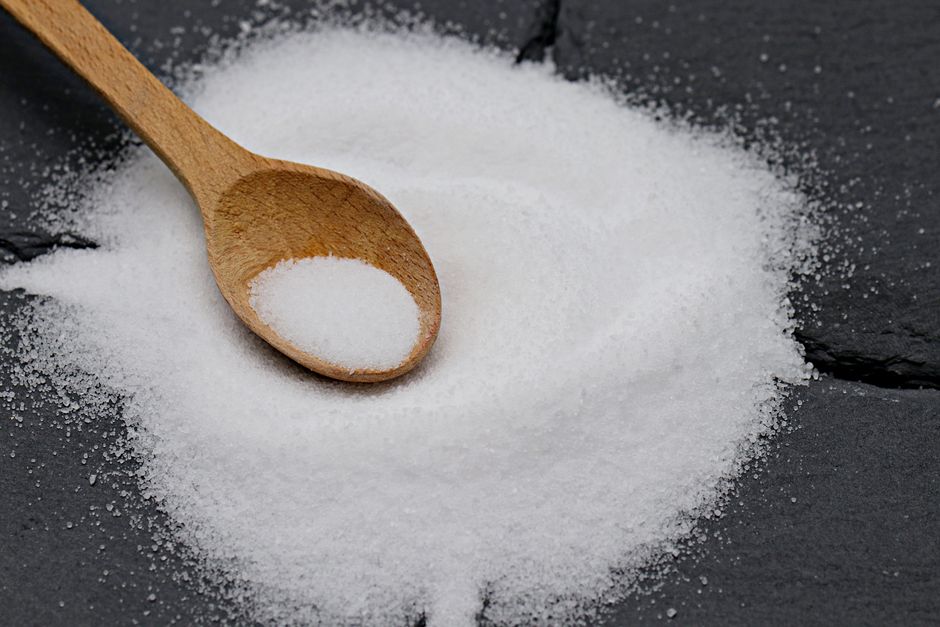
Low sodium foods are generally defined as foods containing 140 milligrams or less of sodium per serving. A low sodium diet typically means limiting total sodium intake to less than 2,300 milligrams per day, with many doctors recommending 1,500 milligrams for people with high blood pressure. When you eat less sodium, your body holds less fluid, which directly lowers the volume of blood your heart must pump and reduces pressure on your artery walls.
What Is Considered Low Sodium Food Diet Blood?
Blood pressure responds directly to sodium intake because sodium pulls water into your bloodstream. More sodium means more fluid in your blood vessels, which raises the pressure against vessel walls. Reducing sodium allows your kidneys to excrete excess fluid, lowering blood volume and reducing pressure. This is why doctors consistently recommend sodium restriction as a first-line approach for managing hypertension.
The relationship is strongest in people who are “salt sensitive,” which includes most older adults, people with diabetes, and individuals of African descent. For these groups, even modest sodium reduction can produce meaningful blood pressure changes. For others, the effect may be smaller but still beneficial for long-term heart health.
How Much Sodium Is Too Much?
The average American consumes about 3,400 milligrams of sodium per day. That is roughly 50 percent more than the recommended upper limit of 2,300 milligrams. The American Heart Association recommends an ideal limit of 1,500 milligrams per day for most adults, especially those with high blood pressure.
To put that in perspective, one teaspoon of table salt contains about 2,300 milligrams of sodium. Most of the sodium you consume does not come from your salt shaker. It comes from processed and restaurant foods. Bread, deli meats, pizza, canned soups, and condiments are among the top sources of hidden sodium in the American diet.
Reading Food Labels for Sodium Content
Food labels use specific terms that have legal definitions. Understanding these terms helps you make accurate choices.
- Sodium-free: Less than 5 milligrams per serving
- Very low sodium: 35 milligrams or less per serving
- Low sodium: 140 milligrams or less per serving
- Reduced sodium: At least 25 percent less sodium than the regular version
- Light in sodium: At least 50 percent less sodium than the regular version
- No salt added: No salt added during processing, but the food may still contain sodium naturally
Check the serving size first. A package may look like a single serving but contain two or three. Multiply the sodium by the number of servings you actually eat. A food labeled “reduced sodium” is not necessarily low sodium. The regular version may have been very high in sodium to begin with.

Foods to Choose and Foods to Avoid
A low sodium diet does not mean eating bland food. It means shifting toward whole, unprocessed foods that naturally contain little sodium.
Choose these foods freely:
- Fresh fruits and vegetables
- Fresh or frozen meats, poultry, and fish without added brine or marinade
- Dried beans, lentils, and peas cooked from scratch
- Brown rice, quinoa, oats, and other whole grains
- Unsalted nuts and seeds
- Fresh herbs, spices, lemon, and vinegar for flavor
Avoid or limit these foods:
- Processed meats like bacon, sausage, ham, and deli turkey
- Canned soups and canned vegetables with added salt
- Frozen dinners and boxed meal mixes
- Instant noodles and seasoned rice mixes
- Pickles, olives, and other brined foods
- Soy sauce, teriyaki sauce, and most bottled salad dressings
- Cheese, especially processed cheese products
Rinsing canned beans and vegetables can reduce sodium by about 40 percent. This is a practical step when fresh options are not available. However, rinsing does not make a high-sodium food into a low-sodium food. Check the label after rinsing to know where you stand.
How Fast Does Blood Pressure Respond to Less Sodium?
Blood pressure changes can begin within days of reducing sodium intake. The kidneys respond quickly to lower sodium levels by releasing more fluid. Most people see measurable changes within one to two weeks of consistent sodium restriction.
The size of the effect varies. Research consistently shows that reducing sodium by roughly 1,000 milligrams per day can lower systolic blood pressure by about 5 to 6 mmHg in people with hypertension. The effect is larger in people with higher starting blood pressure and in salt-sensitive individuals. The effect is smaller but still present in people with normal blood pressure.
Blood pressure medications and sodium restriction work together. Some people on medication can reduce their dose under medical supervision after sustained sodium reduction. Never adjust your medication without talking to your doctor. The combination of a low sodium diet and medication can sometimes drop blood pressure too low, causing dizziness or fainting.
The DASH Diet and Sodium
The DASH diet, which stands for Dietary Approaches to Stop Hypertension, is the most studied eating pattern for lowering blood pressure. It emphasizes fruits, vegetables, whole grains, lean protein, and low-fat dairy while limiting saturated fat and sugar. The standard DASH diet allows about 2,300 milligrams of sodium per day. The lower-sodium version allows 1,500 milligrams.
Research published in the New England Journal of Medicine found that combining the DASH diet with lower sodium intake produced greater blood pressure reductions than either approach alone. People eating the DASH diet at 1,500 milligrams of sodium saw average systolic reductions of about 7 to 11 mmHg, with the largest effects in people with hypertension.
The DASH diet is not just about sodium. It provides high levels of potassium, calcium, and magnesium, which all support healthy blood pressure. Potassium helps your kidneys excrete sodium, which is why fruits and vegetables are central to the plan. Bananas, potatoes, spinach, and beans are rich in potassium.
Hidden Sodium Sources You May Not Expect
Some foods surprise people because they do not taste salty. Bread and rolls are a leading source of sodium in the American diet simply because people eat them daily. A single slice of bread contains 100 to 200 milligrams of sodium. A sandwich with two slices of bread, deli meat, and cheese can exceed 1,000 milligrams before you add any condiments.
Breakfast cereals, even ones that do not taste salty, can contain 200 to 300 milligrams per serving. Cottage cheese often contains 400 to 500 milligrams per half-cup. Many antacid medications contain sodium bicarbonate, which adds to your daily load. Sports drinks and some bottled waters also contain sodium.
Restaurant food is the hardest to control. A single restaurant meal can contain more than 2,000 milligrams of sodium, exceeding the entire daily limit. Ask for sauces and dressings on the side. Request that your meal be prepared without added salt. These small changes make a real difference over time.
Practical Tips for Cutting Sodium Without Losing Flavor
Your taste buds adapt to lower sodium over time. Most people find that foods they once enjoyed now taste overly salty after two to three weeks of reduced intake. This adaptation makes the diet easier to maintain as time goes on.
Use acid to replace salt. Lemon juice, lime juice, and vinegar brighten flavors in a way that mimics saltiness. Roasting vegetables brings out natural sweetness and reduces the need for added salt. Toasting spices before adding them to dishes intensifies their flavor. Garlic, onion powder, and smoked paprika add depth without sodium.
Check spice blends carefully. Many commercial spice mixes list salt as the first ingredient. Make your own blends using dried herbs and salt-free seasonings. This gives you full control over sodium content.
When cooking at home, do not add salt during cooking. Add a small amount at the table only if needed. You will use less salt overall because more of it reaches your taste buds when added at the end.
Who Should Be Especially Careful About Sodium?
People with high blood pressure should follow sodium restriction consistently. The same applies to people with chronic kidney disease, heart failure, and liver disease with fluid retention. These conditions make the body less able to excrete sodium, so the effects of excess salt are amplified.
Older adults are more salt sensitive because kidney function declines with age. People with diabetes are also more likely to be salt sensitive. If you have any of these conditions, talk to your doctor about your specific sodium target. Some conditions require stricter limits than the general recommendation.
Pregnant women should follow standard sodium guidelines unless their doctor advises otherwise. No clinical evidence supports severe sodium restriction during pregnancy. The focus should be on avoiding excess processed food rather than extreme restriction.
Frequently Asked Questions
What is the quickest way to lower blood pressure from sodium?
Stopping added salt and avoiding processed foods for several days will reduce fluid volume and lower blood pressure quickly. Most people see measurable changes within one to two weeks.
Is 1500 mg of sodium too low?
No, 1,500 milligrams per day is a common target for people with high blood pressure. It is safe for most healthy adults, but anyone with kidney disease should confirm this level with their doctor.
Can I reverse salt damage to blood vessels?
Reducing sodium lowers blood pressure and reduces strain on blood vessels, which improves their function over time. Some structural damage from years of high blood pressure may not fully reverse, but further damage can be prevented.
Does drinking more water flush out sodium?
Drinking water helps your kidneys excrete excess sodium, but it cannot fully offset a high-sodium diet. The most effective approach is reducing sodium intake at the source.
