
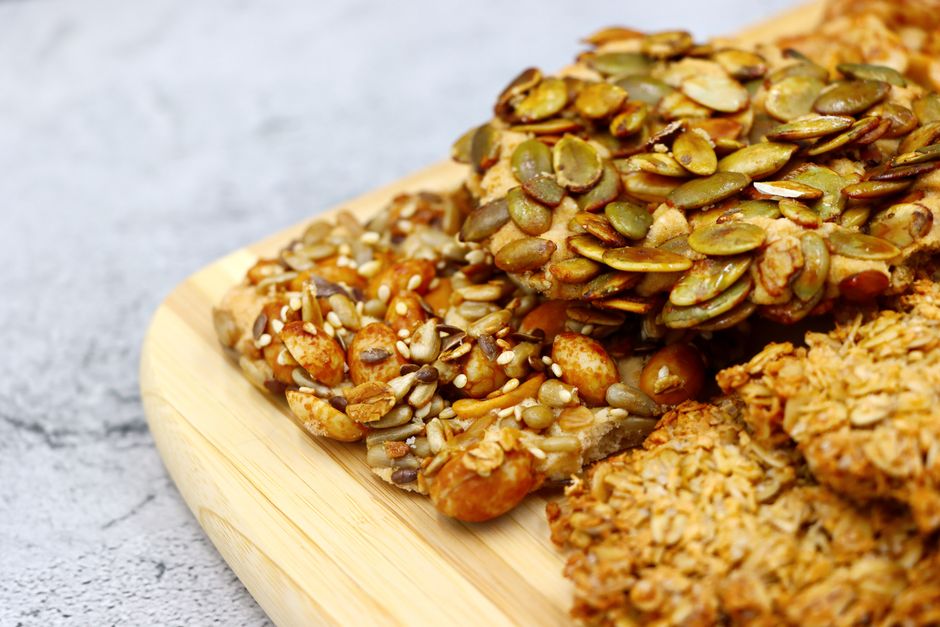
Finding foods that deliver both carbohydrates and protein in one package is simpler than most people think. These foods give you steady energy from carbs and the building blocks for muscle and tissue repair from protein. Many whole foods naturally contain both, which makes balancing your plate easier than trying to pair separate sources at every meal. Foods like beans, lentils, dairy products, and whole grains are the top choices because they offer both nutrients in meaningful amounts.
What Has Carbs And Protein Top Food Sources
Legumes lead the list of foods with both carbohydrates and protein. Lentils, chickpeas, black beans, and kidney beans all provide substantial amounts of both nutrients in every serving. A cup of cooked lentils gives you roughly 18 grams of protein and 40 grams of carbohydrates, most of which come from fiber and resistant starch.
Dairy products are another strong category. Milk, yogurt, and cottage cheese naturally pair carbs with protein. Greek yogurt is especially protein-dense, offering about 20 grams of protein per serving with fewer carbs than regular yogurt. Kefir, a fermented milk drink, provides a similar balance along with beneficial probiotics.
Whole grains also fit the bill, though their protein content is lower than legumes or dairy. Quinoa stands out because it contains all nine essential amino acids, making it a complete protein — unusual for a plant food. Amaranth, buckwheat, and wild rice also provide meaningful protein alongside their carbohydrate content.
Soy foods deserve special mention. Tofu, tempeh, and edamame all come from soybeans, which are naturally rich in both protein and carbohydrates. Tempeh is fermented, which may improve nutrient absorption. These foods are complete proteins, meaning they contain all essential amino acids your body cannot make on its own.
Why Do Carbs And Protein Matter Together?
Your body uses carbohydrates as its preferred fuel source. When you eat carbs, your digestive system breaks them down into glucose, which enters your bloodstream and powers your brain, muscles, and organs. Protein serves a different role — it repairs tissue, builds muscle, and supports your immune system.
Eating them together changes how your body processes the meal. Protein slows the digestion of carbohydrates, which blunts the spike in blood sugar that follows a carb-heavy meal. This is why a snack of apple slices with peanut butter keeps you satisfied longer than an apple alone.
The combination also supports muscle recovery after exercise. Research consistently shows that consuming protein alongside carbohydrates after a workout helps muscles rebuild more effectively than carbs alone. This applies to anyone who exercises regularly, not just athletes.
There is a common misconception that carbs and protein must come from separate foods at every meal. That is not true. Many traditional meals combine them naturally — beans and rice, yogurt with granola, or cheese on whole-grain bread all provide both nutrients without any special planning.
How Much Protein And Carbs Do You Need?
Most healthy adults need about 0.8 grams of protein per kilogram of body weight per day according to established dietary guidelines. That translates to roughly 56 grams daily for a 70-kilogram (154-pound) person. Active individuals and older adults may need more, with some experts recommending up to 1.2 to 1.6 grams per kilogram for those trying to maintain muscle mass with age.
Carbohydrate needs vary more widely. The acceptable macronutrient distribution range set by nutrition authorities suggests that 45 to 65 percent of your daily calories should come from carbohydrates. For someone eating 2,000 calories per day, that equals 225 to 325 grams of carbohydrates daily.
These are general ranges, not prescriptions. Individual needs depend on activity level, body size, metabolic health, and personal goals. Someone with diabetes may need to manage carb intake more carefully, while an endurance athlete may need more than the standard range.
No clinical guidelines currently exist for a specific “ideal” ratio of carbs to protein for every meal. The evidence supports eating both throughout the day rather than obsessing over exact proportions at each sitting.



Which Food Combines Carbs And Protein Best?
If you want the highest protein per calorie from a food that also contains carbs, look at legumes and soy products. Lentils, chickpeas, and black beans deliver roughly 7 to 9 grams of protein per half-cup cooked serving. Tempeh provides about 15 grams of protein per half-cup, making it one of the most protein-dense plant foods available.
For a complete protein with carbs, quinoa is a practical choice. One cup of cooked quinoa contains about 8 grams of protein and 39 grams of carbohydrates. It also provides iron, magnesium, and fiber, making it nutritionally dense compared to white rice or pasta.
Dairy offers efficiency from a different angle. Plain Greek yogurt delivers about 20 grams of protein per 200-gram serving with roughly 8 grams of natural lactose. Cottage cheese offers similar protein with even fewer carbs. These are practical options for people who tolerate dairy well.
Nuts and seeds occupy a middle ground. Almonds, peanuts, and pumpkin seeds contain both protein and carbohydrates, though their fat content is higher than legumes or grains. Peanuts are technically legumes and provide about 7 grams of protein per ounce along with 6 grams of carbs. They are calorie-dense, so portion control matters.
Practical Ways To Add These Foods To Your Diet
You do not need complicated recipes to get carbs and protein together. Simple food combinations work well and are backed by common dietary patterns around the world.
- Oatmeal made with milk instead of water adds protein to a carb-heavy breakfast
- Hummus made from chickpeas paired with whole-grain pita provides both nutrients
- Bean-based soups or chili naturally combine legumes with vegetables and grains
- Greek yogurt with fruit and a sprinkle of granola balances carbs with protein
- Rice and beans is a classic pairing found across Latin American, Caribbean, and West African cuisines
- Whole-grain toast with peanut butter or almond butter offers a quick balanced snack
Meal prep can simplify this further. Cooking a large batch of lentils or quinoa at the start of the week gives you a base for multiple meals. Portion them into containers with roasted vegetables and a protein source for grab-and-go lunches.
Smoothies are another route. Blending milk or Greek yogurt with fruit and oats creates a drink that contains both macronutrients. This works well for people who struggle to eat solid food early in the morning.
The evidence does not support any single “best” food for everyone. Variety matters because different foods provide different micronutrients alongside their carb and protein content. Beans offer folate and iron. Dairy provides calcium and vitamin B12. Whole grains contribute magnesium and B vitamins.
What About Protein Bars And Shakes?
Commercial protein bars and shakes often contain both carbs and protein, but they are not equivalent to whole food sources. Many bars are ultra-processed and contain added sugars, artificial sweeteners, or sugar alcohols that can cause digestive discomfort in some people.
Some research suggests that whole food sources of protein are more satiating than liquid forms. Chewing triggers fullness signals that drinking does not. If you are using shakes for convenience, they can work, but they should not replace whole food sources as your primary intake.
Protein bars vary widely in quality. Some contain 20 grams of protein but also 30 grams of sugar. Reading labels matters. A bar with a short ingredient list and minimal added sugar is a better choice than one filled with processed additives.
No large human trials have confirmed that any specific protein bar or shake is superior to whole foods for general health. For most people, food should come first. Supplemental products are useful when you are traveling, pressed for time, or struggling to meet protein needs through food alone.
Are There Downsides To High-Protein Carbs?
Most foods that contain both carbs and protein are healthy choices. The main concern is portion size for calorie-dense options like nuts, seeds, and full-fat dairy. Eating large amounts of any food can lead to excess calorie intake, regardless of its nutrient profile.
Some people experience digestive issues with legumes and beans. These foods contain oligosaccharides — complex carbs that humans cannot fully digest. This can cause gas and bloating in sensitive individuals. Soaking beans before cooking and gradually increasing intake can reduce these effects.
People with kidney disease may need to limit protein intake. The kidneys filter protein byproducts from the blood, and damaged kidneys struggle with this workload. Anyone with chronic kidney disease should follow their healthcare provider’s guidance on protein intake rather than general recommendations.
Those with lactose intolerance may need to avoid dairy-based options. Lactose-free milk, hard cheeses, and fermented dairy like yogurt often cause fewer symptoms because they contain less lactose. Plant-based alternatives like soy milk and pea protein milk provide protein without lactose.
For people with diabetes, pairing carbs with protein is generally beneficial because protein slows glucose absorption. However, carbohydrate counting still matters. Beans and whole grains affect blood sugar differently than refined carbs, but they still raise glucose levels and should be accounted for in meal planning.
Frequently Asked Questions
What foods are highest in both carbs and protein?
Legumes like lentils and chickpeas, soy products like tofu and tempeh, and dairy products like Greek yogurt rank among the highest. Quinoa and other whole grains also provide both nutrients in meaningful amounts.
Is it better to eat carbs and protein separately or together?
Eating them together is generally better because protein slows carbohydrate digestion and helps stabilize blood sugar. Combined meals also keep you fuller longer than eating either nutrient alone.
Can you get enough protein from plant sources that also contain carbs?
Yes, with planning. Legumes, soy foods, and quinoa provide adequate protein when eaten in sufficient quantities throughout the day. Combining different plant proteins ensures you get all essential amino acids.
Are protein bars a good way to get carbs and protein?
Some bars work for convenience, but whole foods are generally better because they provide fiber and micronutrients that processed bars often lack. Check labels for added sugar and choose bars with short ingredient lists.
