
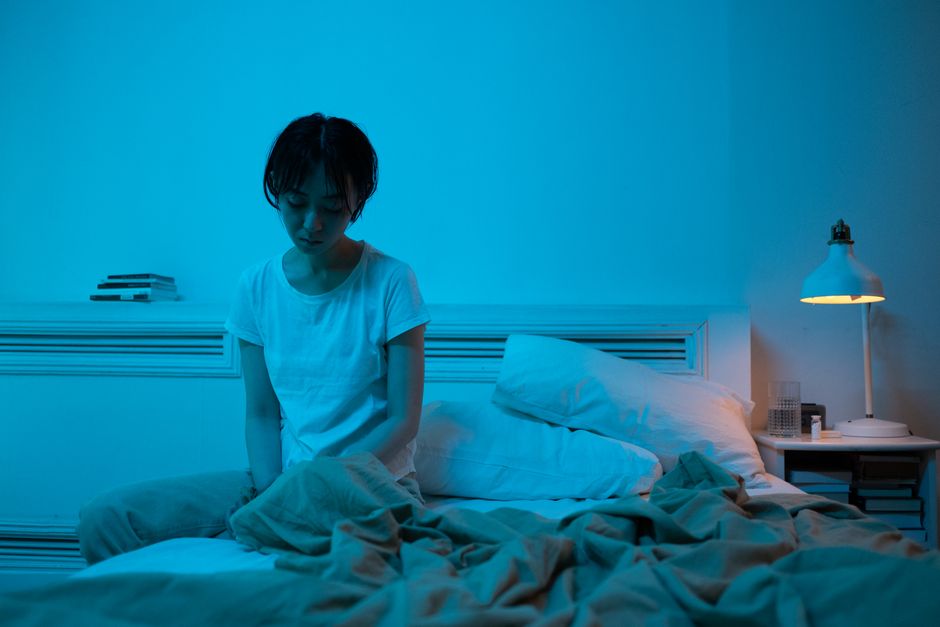
If you smoke or vape cannabis close to bedtime, you may fall asleep faster than usual. The drug’s main psychoactive compound, THC, can make you feel drowsy and relaxed, and many people use it for exactly that reason. But falling asleep is not the same as sleeping well, and the changes it makes to your sleep are real, measurable, and often working against you.
What Happens When You Sleep High?
THC changes how your brain moves through the stages of sleep. The most consistent finding in sleep research is that it suppresses rapid eye movement (REM) sleep — the stage tied to dreaming and emotional processing. You may spend less time in REM and take longer to reach it.
At the same time, THC tends to increase time spent in deep, slow-wave sleep early in the night. That can feel restorative in the moment, which is one reason people report sleeping well after using it.
The effect is not permanent. As the drug wears off over several hours, sleep becomes lighter and more fragmented. Many users wake in the early morning hours without understanding why. The result is a night that looks better on the front end and worse on the back end — and a morning that often feels foggy rather than refreshed.
Does Cannabis Help You Fall Asleep Faster?
Yes, in the short term, for many people. THC has sedative properties, and the subjective feeling of relaxation and drowsiness is well documented. Research on people who use cannabis for sleep often finds they report falling asleep more quickly.
That said, self-reported sleep quality and measured sleep quality do not always match. A person can feel like they slept deeply while their sleep architecture — the underlying structure of their sleep cycles — has shifted in ways that matter for memory, mood, and alertness the next day.
Tolerance develops with regular use. The sedative effect that worked in the beginning tends to fade as the brain adapts to the drug. This is one of the reasons some long-term users find they need more to get the same effect, and why stopping can trigger a stretch of unusually poor sleep.
What Does Cannabis Do to REM Sleep and Dreaming?
REM suppression is one of the most reliable effects of THC on sleep. This stage is when most vivid dreaming happens, and it plays a role in processing emotions and consolidating certain kinds of memory.
When REM is suppressed night after night, the brain appears to build up a kind of pressure to recover that lost stage. This is why people who stop using cannabis after heavy, regular use often report unusually intense or vivid dreams — sometimes disturbing ones — for days or even weeks. It is a rebound effect, not a sign that something is wrong.
The dreams usually settle as the brain readjusts. For most people this adjustment happens gradually over the first couple of weeks after stopping, though the timeline varies and there is no single rule that fits everyone.





How Does Cannabis Affect Sleep Quality Over Time?
The picture shifts with regular use. Occasional use may help someone fall asleep and feel relaxed. Chronic, nightly use tends to look different.
Over time, people who use cannabis heavily and regularly often report:
- Waking more often during the night
- Lighter sleep in the second half of the night
- Morning grogginess that lingers
- Needing more of the drug to get the same sleep effect
- Worse sleep overall once they stop
This pattern matters because it can create a loop. Poor sleep leads to more use, more use leads to tolerance and withdrawal-related insomnia, and withdrawal leads back to poor sleep. Breaking that loop usually requires stopping long enough for the brain to reset.
Does the Way You Use It Change the Effect?
How cannabis enters the body affects how quickly it acts and how long it lasts, which in turn shapes how it interacts with sleep. The table below describes general patterns, not fixed rules — dose, tolerance, and individual biology all play a role.
| Method | Onset | Duration | Sleep relevance |
|---|---|---|---|
| Smoked or vaped | Minutes | A few hours | Fast drowsiness, wears off mid-night |
| Edibles | 30 minutes to 2 hours | Often 6 hours or more | Effects can overlap into sleep and linger into morning |
| High-THC concentrates | Minutes | Varies | Stronger effects, higher tolerance risk |
| CBD-dominant products | Varies | Varies | Evidence for sleep is limited and mixed |
Edibles deserve a specific caution. Because they are processed through the liver and absorbed slowly, their effects can last much longer than smoked cannabis. A dose taken at bedtime may still be active at 3 or 4 in the morning, which can contribute to grogginess and impaired alertness the next day. This is a genuine safety concern for anyone who drives or operates machinery.
Is Cannabis a Good Treatment for Insomnia?
The evidence does not support cannabis as a first-line treatment for insomnia. Some studies suggest it can help people fall asleep in the short term, but the research on long-term sleep outcomes is limited, and much of it relies on self-report rather than objective sleep measurement.
There is also the question of what happens when you stop. Rebound insomnia is common after regular use, which means the drug can end up creating the very problem it was meant to solve.
For people with persistent insomnia, established approaches such as cognitive behavioral therapy for insomnia (CBT-I) have stronger evidence behind them and do not carry the same tolerance and withdrawal concerns. Anyone considering cannabis for a sleep problem should discuss it with a clinician, especially if they take other medications or have a history of substance use.
What About CBD for Sleep?
CBD is often marketed for sleep, but the evidence is much weaker than the marketing suggests. Some small studies indicate CBD may help with anxiety, which can indirectly improve sleep for some people. Direct effects on sleep stages are not well established.
One practical issue: CBD products are not consistently regulated, and the actual CBD content can differ from what the label claims. Some products have been found to contain THC even when labeled otherwise, which matters for anyone subject to drug testing or sensitive to THC’s effects.
What Happens When You Stop Using Cannabis Before Bed?
Stopping after regular use typically brings a stretch of worse sleep before it gets better. This is withdrawal, and it is a well-documented effect of chronic cannabis use.
Common experiences in the first days to weeks after stopping include trouble falling asleep, more frequent waking, vivid or disturbing dreams, and irritability. These symptoms usually ease over time, but the timeline varies widely depending on how long and how heavily someone used.
For heavy, long-term users, withdrawal can be uncomfortable enough to make quitting difficult without support. If sleep is the main reason someone uses cannabis, it may help to talk with a doctor about other options before stopping, so there is a plan in place for the transition.
The Bottom Line on Sleeping High
Cannabis can make you feel sleepy and help you drift off. What it does to the quality and structure of your sleep is a different story — and not a flattering one. REM suppression, lighter sleep in the second half of the night, tolerance, and rebound insomnia after stopping are all part of the picture.
None of this means cannabis is harmless or that it is dangerous for everyone. It means the sleep benefits are real but short-lived, and the costs tend to show up later. If you rely on it to sleep, that is worth a conversation with a healthcare provider rather than a decision to simply keep going.
Frequently Asked Questions
Does smoking weed help you sleep better?
It can help you fall asleep faster in the short term, but it tends to reduce REM sleep and fragment sleep later in the night. Over time, regular use is linked to worse sleep quality, not better.
Why do I wake up at 3am after smoking weed?
THC wears off after a few hours, and as it clears your system, sleep becomes lighter and more easily disrupted. This mid-night waking is a common pattern with regular evening use.
Can cannabis cause insomnia when you stop?
Yes. Rebound insomnia is a well-documented part of cannabis withdrawal, especially after heavy or long-term use. It usually eases over days to weeks, but the timeline varies by person.
Does CBD help with sleep?
The evidence for CBD as a sleep aid is limited and mixed, and product quality varies widely. Some people report benefit, but this is not well supported by large clinical trials.
