
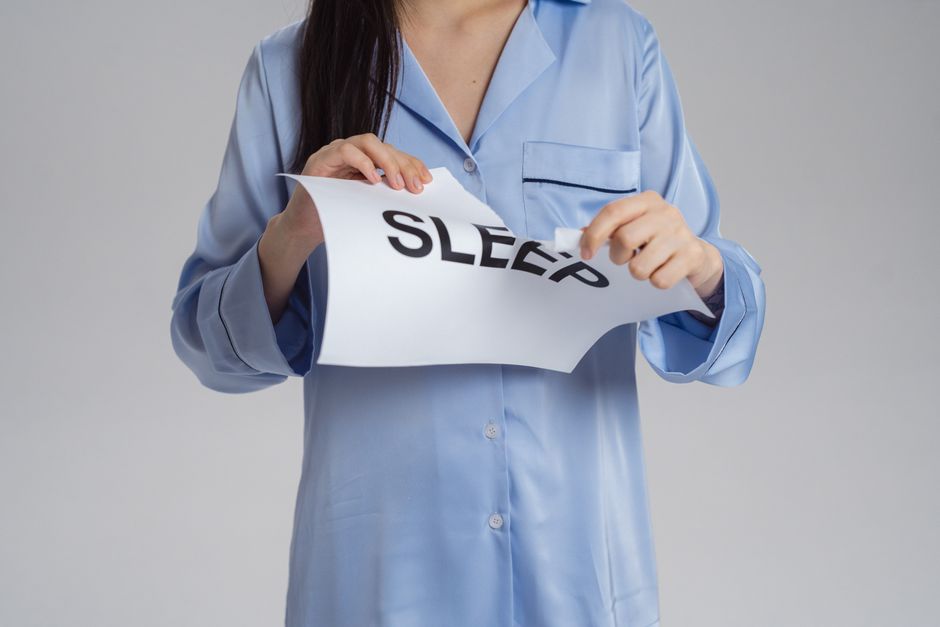
Sleep and mental health are tied together so tightly that it is often hard to tell which one is driving the other. Sleep is when the brain processes emotions, consolidates memory, and regulates the chemical signals that shape mood and thinking. When sleep is short or broken, those systems do not work the way they should, and the effects show up in how you feel, think, and react the next day.
How Does Sleep Impact Your Mental Health?
Sleep and mental health share a two-way relationship. Poor sleep raises the risk of mood and anxiety problems, and those same problems make sleep harder to get. It is a loop, and it can run in either direction.
During sleep, the brain does not simply shut off. It cycles through stages, including deep slow-wave sleep and REM sleep, each with a different job. Slow-wave sleep helps the body recover and supports the consolidation of factual memory. REM sleep is heavily involved in processing emotional experiences. Research consistently shows that when REM sleep is disrupted, the brain’s ability to file away emotional memories and take the sharp edge off them is reduced.
One well-documented finding is that sleep loss makes the amygdala, a brain region central to fear and emotional reaction, respond more strongly to upsetting images. At the same time, the prefrontal cortex, which normally helps put the brakes on emotional reactions, shows weaker connectivity to the amygdala after sleep deprivation. The result is a brain that reacts more and regulates less. That is a description of the mechanism, not proof that one bad night causes a disorder. But repeated over weeks and months, it helps explain why ongoing sleep problems and mental health symptoms so often travel together.
Sleep also affects the stress hormone system. The body’s main stress axis, which runs from the brain to the adrenal glands, normally follows a daily rhythm tied to sleep and waking. Disrupted sleep can flatten or shift that rhythm, which some studies link to changes in mood and anxiety. The evidence here is still developing, so it is best described as an active area of research rather than a settled explanation.
What Happens in the Brain When You Do Not Sleep Enough?
Short sleep changes how the brain handles emotion, attention, and reward. These changes are measurable, and they show up even in healthy people after a single night of poor sleep.
Emotional reactivity goes up. Studies using brain imaging have found that sleep-deprived people show stronger amygdala responses to negative emotional content. They also tend to rate neutral or mildly negative situations as more upsetting than well-rested people do.
Emotion regulation gets harder. The prefrontal cortex normally helps you reappraise a situation and calm yourself down. After sleep loss, this top-down control is weaker. That is part of why small problems can feel overwhelming when you are exhausted.
Reward processing shifts. Some research indicates that sleep deprivation makes the brain more sensitive to immediate rewards and less sensitive to long-term consequences. This may help explain why people reach for quick comforts, like extra caffeine or junk food, when they are tired.
Memory and focus suffer. Sleep is when new information gets stabilized into longer-term storage. Without enough sleep, attention wanders, reaction time slows, and it becomes harder to hold several pieces of information in mind at once.
None of this means a single rough night will harm your mental health. The concern is with patterns. When short or broken sleep becomes the norm, these effects stack up.
Can Poor Sleep Cause Anxiety and Depression?
Poor sleep is a genuine risk factor for both anxiety and depression, though it is not the only one. The relationship is best understood as a strong contributor rather than a single cause.
Longitudinal research, which follows people over years, has found that people with ongoing insomnia are more likely to develop depression and anxiety disorders later. This does not prove that insomnia causes those conditions in every case. It does show that sleep problems often come first, which is one reason clinicians pay attention to sleep when assessing mental health.
In the other direction, depression and anxiety commonly disrupt sleep. Depression is linked with early morning waking and difficulty falling back asleep. Anxiety is linked with trouble falling asleep in the first place, often because of racing thoughts. Post-traumatic stress can involve nightmares and fragmented sleep. Each condition leaves its own fingerprint on sleep.
There is also a practical point that gets overlooked. Treating insomnia can improve mental health symptoms even when the insomnia is not the original problem. A therapy called cognitive behavioral therapy for insomnia, or CBT-I, is the first-line treatment for chronic insomnia in adults. Some research suggests it can also reduce symptoms of depression and anxiety, though the strength of that effect varies across studies. This is a case where fixing sleep may help the mood, not just the other way around.





How Much Sleep Do Adults Actually Need?
Most adults need seven or more hours of sleep per night. This is the general recommendation from major sleep and health organizations, and it applies to the majority of people aged 18 to 64.
Sleep needs vary somewhat from person to person, but the range is narrower than many people assume. Consistently getting less than seven hours is linked with worse health outcomes across many studies, including mental health measures. Some people genuinely function well on less, but this is uncommon, and most people who believe they need less sleep are simply used to feeling tired.
Quality matters as much as quantity. Seven hours of broken sleep is not the same as seven hours of continuous sleep. Waking frequently, even briefly, can reduce the amount of time spent in the deeper, restorative stages.
Signs that you are not getting enough include:
- Feeling sleepy during the day, especially in the afternoon
- Needing an alarm to wake up and still feeling groggy
- Irritability or low mood that improves after a good night’s sleep
- Trouble concentrating or remembering things
- Falling asleep within minutes of lying down
If several of these sound familiar, it is worth looking at your sleep before assuming the problem is something else.
What Sleep Problems Are Linked to Mental Health Conditions?
Different mental health conditions tend to disrupt sleep in different ways. Recognizing the pattern can help you describe what is happening to a doctor or therapist.
Insomnia is the most common sleep problem linked to mental health. It involves trouble falling asleep, staying asleep, or waking too early, along with daytime consequences. It is both a symptom and a risk factor for depression and anxiety.
Obstructive sleep apnea is a breathing disorder where the airway repeatedly closes during sleep. It is strongly linked with depression symptoms, and treatment can improve mood in some people. Apnea is often missed because the person does not remember waking up. A bed partner who notices loud snoring or pauses in breathing may be the first to spot it.
Circadian rhythm disorders involve a mismatch between your internal body clock and the outside world. They are common in shift workers and in people with bipolar disorder, where mood episodes and sleep timing can affect each other.
Nightmares and disrupted REM sleep are common in post-traumatic stress disorder. They can be persistent and distressing on their own, independent of daytime symptoms.
Restless legs syndrome, which causes an urge to move the legs at night, is associated with depression and anxiety. It also becomes more common with age.
If you have a mental health condition and your sleep is consistently poor, that is worth raising with a clinician. It is not a side issue.
What Can You Do to Improve Sleep and Mental Health Together?
Improving sleep and improving mental health often work best as a single effort. The same steps that help one tend to help the other.
Keep a consistent sleep and wake time, including on weekends. This anchors your body clock and makes falling asleep easier over time. The wake time matters more than the bedtime.
Get bright light in the morning and dim light in the evening. Morning light helps set your internal clock. Evening light, especially from screens, can push your clock later and make it harder to fall asleep.
Use the bed mainly for sleep. If you cannot sleep, get up and do something calm in low light until you feel sleepy. This is a core part of CBT-I and helps break the association between the bed and frustration.
Limit alcohol and caffeine. Alcohol can make you fall asleep faster but tends to fragment sleep later in the night. Caffeine stays in the body for hours, so an afternoon coffee can still be working at bedtime.
Talk to a professional if sleep problems last more than a few weeks or affect your daily life. CBT-I is the first-line treatment for chronic insomnia and can be delivered in person or online. If you have symptoms of depression or anxiety, addressing those directly is also important. Sleep and mood are connected, and treating one often supports the other.
If you are having thoughts of harming yourself, reach out for help right away. In the US, you can call or text 988 to reach the Suicide and Crisis Lifeline.
Frequently Asked Questions
Does one bad night of sleep affect mental health?
A single poor night can make you more irritable, emotional, or unfocused the next day. These effects are usually temporary and improve after a good night’s sleep.
Can sleep problems cause depression?
Ongoing insomnia is a risk factor for depression, though it is not the only cause. Many people with insomnia develop depression later, and treating the sleep problem may reduce symptoms.
Is it true that mental health conditions cause sleep problems?
Yes, depression, anxiety, and post-traumatic stress commonly disrupt sleep. The relationship runs both ways, so each can worsen the other.
When should I see a doctor about sleep and mood?
See a doctor if sleep problems last more than a few weeks or interfere with daily life. Also seek help if you have persistent low mood, anxiety, or thoughts of self-harm.
