
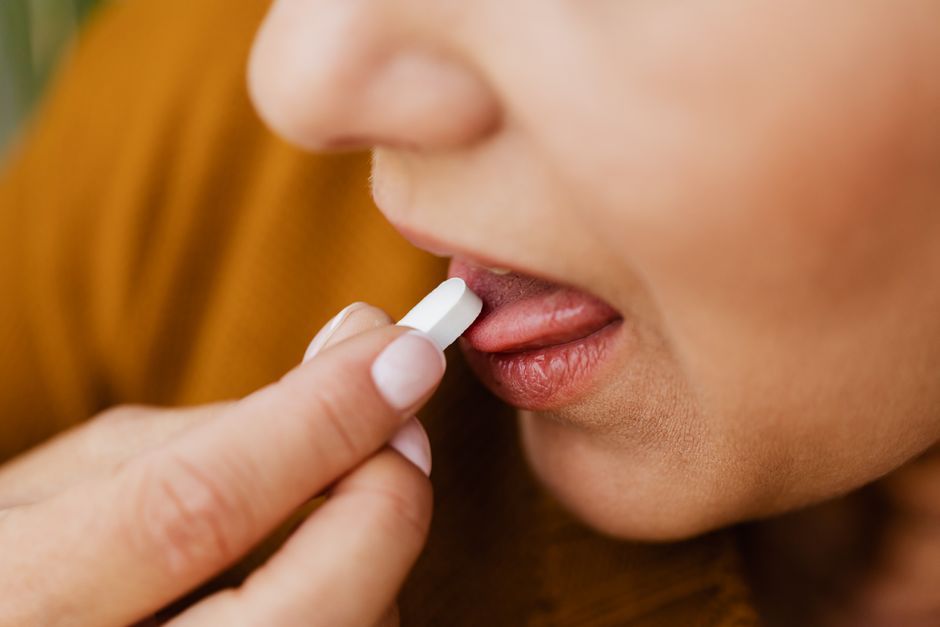
Taking Eliquis only once a day instead of the prescribed twice-daily schedule means your blood will not be protected from clots for the full 24 hours. This significantly raises your risk of a stroke or a dangerous blood clot. The medication is designed to wear off after about 12 hours, leaving you unprotected for the second half of the day.
Why Is Eliquis Prescribed Twice a Day?
Eliquis, known generically as apixaban, has a relatively short half-life in the body. A half-life is the time it takes for half of the drug to leave your system. For Eliquis, this is about 12 hours in most people.
To keep a steady level of the drug in your blood, you need a dose every 12 hours. This constant level is what prevents clots from forming. If you take it only once a day, the level drops too low for too long. The blood then returns to its normal clotting state, which is exactly what the medication is trying to prevent.
Clinical trials that led to FDA approval all used a twice-daily schedule. The dosing is not arbitrary. It is based on how the drug moves through and leaves the body. Research published in the Journal of the American College of Cardiology confirmed that a 12-hour dosing interval maintains effective blood levels.
What Happens to Your Stroke Risk?
This is the most direct concern. Eliquis is often prescribed to prevent strokes in people with atrial fibrillation (AFib). In AFib, the upper chambers of the heart beat irregularly. This can cause blood to pool and form clots. If a clot travels to the brain, it causes a stroke.
Taking Eliquis once a day instead of twice leaves a gap in protection. For roughly 6 to 10 hours each day, your blood will not have enough medication to stop a clot from forming. The CDC reports that AFib causes about 1 in 7 strokes. Missing half your doses essentially removes the protection the drug is meant to provide.
Studies have found that patients who miss doses of blood thinners have a measurably higher rate of stroke. While missing an occasional single dose is not ideal, consistently taking it once a day is a different problem. It is a systematic failure of the treatment plan.
How Does Once-Daily Dosing Affect Blood Clot Treatment?
Eliquis is also used to treat existing deep vein thrombosis (DVT) and pulmonary embolism (PE). These are blood clots in the legs or lungs. The goal here is to stop the clot from growing and to prevent new ones from forming while your body dissolves the existing clot.
For this purpose, the twice-daily schedule is even more critical during the first weeks of treatment. The initial phase requires higher and more frequent dosing. The American Society of Hematology guidelines specify a twice-daily regimen for the first 7 days of treatment for acute clots.
Switching to once-daily dosing during this initial phase could allow the clot to grow. This could lead to the clot breaking loose and traveling to the lungs, which is fatal. Even during the longer maintenance phase, once-daily dosing is not supported by any major medical guidelines.
| Dosing Schedule | Blood Level Consistency | Stroke Risk | Clot Treatment Efficacy |
|---|---|---|---|
| Twice daily (prescribed) | Stable 24-hour protection | Reduced as intended | Full effect |
| Once daily (modified) | Drops below effective level for 6-12 hours | Significantly increased | Inadequate |




Are There Any People Who Can Take It Once a Day?
No. There is no standard medical recommendation for taking Eliquis once a day. Some patients ask about this because other blood thinners, like Xarelto, are taken once daily. This leads to confusion.
The two drugs are not interchangeable in their dosing. Xarelto has a longer half-life, which allows for once-daily dosing in most situations. Eliquis does not. The FDA labels for Eliquis clearly state the twice-daily dosing for every approved use. There are no exceptions listed for convenience or mild cases.
Some people report that their doctor has never discussed the importance of the schedule. This is a gap in communication, not a change in the science. If a doctor suggests once-daily dosing, it is worth asking for the specific reason. In almost all cases, this would be a mistake or a misunderstanding.
What Should You Do If You Miss a Dose?
Life happens. You will miss a dose at some point. The key is how you handle it. The official guidance from the manufacturer is clear and simple.
- If you remember within 6 hours of your missed dose, take it right away.
- If more than 6 hours have passed, skip that dose entirely.
- Never take two doses at the same time to catch up.
- Resume your normal twice-daily schedule at the next scheduled time.
This guidance exists because taking a double dose raises the risk of bleeding. Bleeding is the main side effect of any blood thinner. Doubling up can cause dangerous internal bleeding, especially in older adults or people with kidney issues. It is safer to miss one dose than to take two at once.
If you find yourself missing doses often, talk to your doctor. There may be a different medication or a reminder system that works better for your routine. Do not simply adjust the schedule on your own.
Common Misconceptions About Eliquis Dosing
One common belief is that taking a larger single dose once a day is the same as splitting it into two smaller doses. This is incorrect. Taking a double dose once a day would create a dangerously high peak level in your blood, followed by a long period of very low levels.
The high peak increases bleeding risk significantly. The low trough increases clot risk. You would have the worst of both sides. The drug is designed to maintain a steady concentration, not to spike and drop.
Another misconception is that once-daily dosing is fine because you feel fine. Blood thinners do not cause symptoms when they are working. You cannot feel a clot forming. The absence of a stroke or clot does not mean the drug is working correctly. It may mean you have been lucky so far. Relying on feeling fine is not a safe strategy with anticoagulants.
What to Avoid When Taking Eliquis
There are other factors that can lower the effectiveness of Eliquis beyond missing doses. Certain medications and supplements interfere with how the drug works. Avoid taking NSAIDs like ibuprofen or naproxen without talking to your doctor. These increase bleeding risk when combined with Eliquis.
St. John’s Wort is a common herbal supplement that can reduce Eliquis levels in the blood. This effectively makes your dose weaker. If you take St. John’s Wort, you might be getting less protection even if you take your medication perfectly on schedule.
Grapefruit and grapefruit juice do not interact with Eliquis the way they do with some other medications. That is a myth. But alcohol can increase bleeding risk, so moderation is important. Always check with a pharmacist before adding any new over-the-counter product to your routine.
Frequently Asked Questions
Can I take Eliquis once a day if I have mild AFib?
No. The severity of your AFib does not change how the drug works in your body. The 12-hour half-life applies regardless of your condition.
What happens if I accidentally take my Eliquis dose 12 hours late?
You will have a period of reduced protection. Take the missed dose as soon as you remember if it is within 6 hours of the scheduled time. Otherwise skip it.
Is there any blood thinner that is safe to take once a day?
Yes. Xarelto and warfarin are both taken once daily for many conditions. But do not switch medications on your own. Talk to your doctor about options.
Does taking Eliquis with food help it last longer?
No. Food does not significantly affect how long Eliquis stays in your system. The twice-daily schedule is still required regardless of when you eat.
