
If you have noticed the bottom edges of your front teeth looking see-through or glass-like, you are not imagining it. This transparency is not normal enamel wear and tear. It is a sign that your enamel — the hard outer layer of your teeth — has thinned or eroded to the point where the darker dentin underneath is no longer fully covering the tooth. The translucent look happens because light passes through the remaining thin enamel instead of bouncing off it. The most common cause is acid erosion from diet, stomach acid, or aggressive brushing. But other factors like genetics, grinding, and certain medical conditions can also play a role. Understanding why this happens is the first step to stopping it from getting worse.
What Does It Mean When Your Teeth Look Transparent?
Transparent teeth are not a separate condition. They are a visible symptom of enamel loss. Enamel is the hardest substance in your body, but it has no living cells. Once it wears away, your body cannot regrow it. When enamel gets thin enough, the tooth becomes less opaque and more translucent, especially at the biting edges.
The transparency usually starts at the incisal edges — the bottom part of your front teeth. In mild cases, you might only notice it in certain lighting. In more advanced cases, the entire tooth can look glassy. This is different from teeth that are naturally more yellow or dark. Transparency means you are literally seeing through the tooth structure.
Current research suggests that even small amounts of visible transparency indicate significant enamel loss. A 2021 study in the Journal of Dentistry found that teeth with visible translucency had lost an average of 30 percent more enamel thickness compared to non-transparent teeth in the same mouth. This matters because thin enamel is weaker enamel. It chips, cracks, and wears down faster.
Why Are Your Teeth Transparent? The Main Causes
Acid erosion is the primary cause for most people. When acid touches your enamel, it softens the mineral structure. Saliva can neutralize some acid and help remineralize the surface, but only if the acid exposure is not too frequent or too strong. When acid attacks happen faster than your mouth can repair, enamel gets thinner over time.
Dietary acid is a big part of this. Citrus fruits, sodas, sports drinks, wine, and even some healthy foods like apples and tomatoes are acidic. Sipping these throughout the day keeps your mouth in an acidic state for longer. Swishing or holding acidic drinks in your mouth makes it worse because the liquid stays in direct contact with your enamel.
Stomach acid is another major cause. Acid reflux, GERD, morning sickness, or bulimia can bring stomach acid up into your mouth. Stomach acid is far more corrosive than dietary acid — it has a pH around 1.5 to 3.5. Even occasional reflux episodes can cause visible enamel erosion over months or years.
Brushing too hard or using a hard-bristled toothbrush also removes enamel. Many people think aggressive brushing cleans better, but it actually scrubs away the protective surface layer. When combined with acid exposure, the damage accelerates. Abrasion from brushing thins the enamel at the gum line and the biting edges, exactly where transparency shows up first.
Teeth grinding, also called bruxism, wears down enamel through friction. People who grind their teeth at night often develop flat, thin, transparent biting edges. Unlike acid erosion which affects the whole tooth surface, grinding tends to create localized thinning at the incisal edges.
Can Transparent Teeth Be Reversed?
No. Once enamel is gone, you cannot grow it back. That is a hard truth that many online articles avoid. No toothpaste, mouthwash, or home remedy can rebuild enamel that has already been lost. If you see a product claiming to restore enamel, it is not supported by evidence.
What you can do is stop further loss. The remaining enamel can be strengthened through remineralization. This is a natural process where minerals like calcium and phosphate from your saliva, toothpaste, or treatments redeposit into the enamel surface. But remineralization only works on enamel that is still there. It cannot fill in areas where enamel has completely worn away.
Fluoride treatments help with remineralization. Professional fluoride varnishes applied by a dentist can increase enamel resistance to acid. High-fluoride prescription toothpaste, like those with 5000 ppm fluoride, can also help. Some evidence suggests that toothpaste containing NovaMin or hydroxyapatite may support remineralization, though the research is still emerging as of 2026.
For the visible transparency itself, the only real fix is cosmetic or restorative dentistry. Dental bonding can cover the translucent edges with a tooth-colored resin. Veneers are a longer-lasting option that covers the entire front surface of the tooth. In severe cases, a dentist might recommend crowns. These treatments do not fix the enamel, but they restore the appearance and protect the tooth from further damage.




What Makes Transparent Teeth Worse? Things to Avoid
Some habits accelerate enamel loss faster than others. If you have transparent teeth, avoiding these can slow or stop the progression.
| Habit | Why It Makes Transparency Worse |
|---|---|
| Sipping acidic drinks throughout the day | Keeps mouth pH low for extended periods, preventing natural remineralization |
| Brushing immediately after eating or drinking acidic foods | Acid softens enamel; brushing while it is soft scrubs it away |
| Using a hard-bristled toothbrush | Causes mechanical abrasion, especially at the gum line and biting edges |
| Grinding or clenching teeth | Friction wears down enamel at the incisal edges, where transparency appears |
| Using abrasive whitening toothpaste | Whitening abrasives can further thin already compromised enamel |
| Frequent vomiting or untreated acid reflux | Stomach acid is highly corrosive and causes rapid enamel loss |
One thing many people do not realize is that swishing acidic drinks around your mouth is worse than drinking them quickly. Sipping a soda over an hour exposes your teeth to acid for that entire hour. Drinking it in a few minutes limits exposure time. Using a straw can also help direct the liquid past your teeth.
Another common mistake is brushing right after vomiting or after eating citrus fruit. Your instinct is to clean your mouth. But brushing at that moment grinds acid into the softened enamel. Instead, rinse with water or a fluoride mouthwash and wait at least 30 minutes before brushing.
What Can You Actually Do to Protect Your Teeth?
The most effective steps focus on prevention and protection, not reversal. Here is what the evidence supports.
Use a soft-bristled toothbrush and gentle pressure. Many electric toothbrushes have pressure sensors that alert you when you are brushing too hard. If you brush manually, hold the brush with three fingers instead of your whole fist — this naturally reduces pressure. Brush for two minutes, not longer.
Wait 30 to 60 minutes after eating or drinking anything acidic before brushing. This gives your saliva time to neutralize the acid and your enamel time to harden back up. If you need to freshen your mouth sooner, rinse with water or chew sugar-free gum to stimulate saliva flow.
Use a fluoride toothpaste with at least 1350 ppm fluoride. Higher fluoride prescription toothpaste is available from your dentist if needed. Some research supports hydroxyapatite toothpaste as an alternative, but fluoride remains the most studied and proven option.
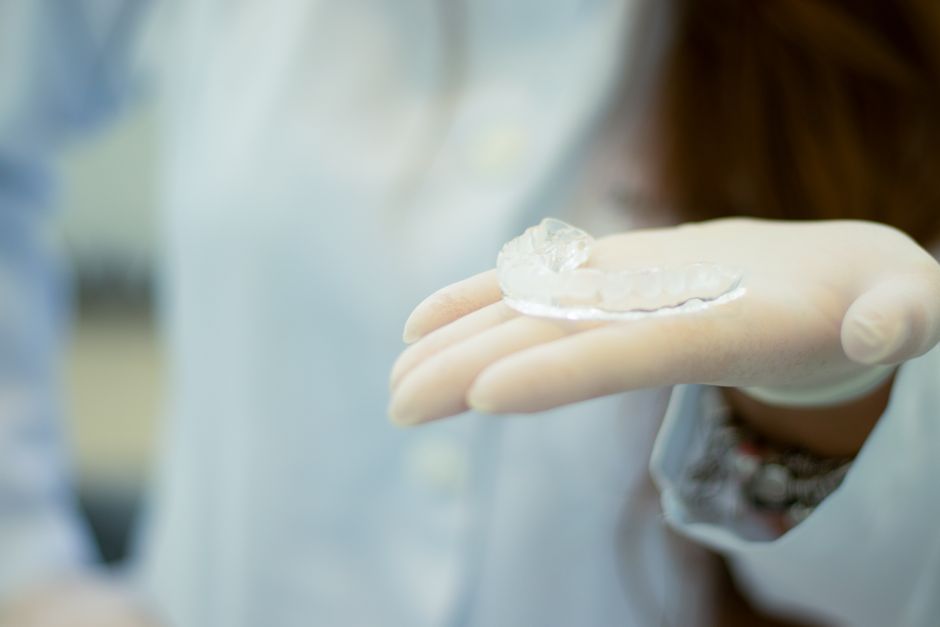
If you grind your teeth at night, a custom mouthguard from your dentist is the most effective protection. Over-the-counter boil-and-bite guards are better than nothing, but they do not fit as precisely and can shift during sleep. A well-fitted guard distributes the pressure of grinding across all your teeth instead of concentrating it on the front edges.
Treat underlying acid issues. If you have acid reflux, work with your doctor to manage it. Over-the-counter antacids or prescription medications like proton pump inhibitors can reduce stomach acid reaching your mouth. If you have morning sickness or an eating disorder, talk to your healthcare provider. The dental damage from frequent vomiting is severe and happens faster than most people realize.
When Should You See a Dentist About Transparent Teeth?
You should see a dentist as soon as you notice transparency. Early intervention can prevent the condition from worsening. A dentist can determine how much enamel has been lost and identify the specific cause in your case.
Dentists use several tools to assess enamel loss. They may take photographs to compare over time. They can use a probe to check for softened enamel or measure tooth wear with a calibrated instrument. In some cases, they might use a laser fluorescence device to detect early enamel demineralization that is not yet visible to the naked eye.
If the transparency is mild, your dentist might recommend monitoring and prevention. If it is moderate, they may suggest fluoride varnish treatments or prescription toothpaste. If the enamel loss is advanced, they will discuss restorative options like bonding or veneers.
Do not wait until your teeth become sensitive or painful. Sensitivity to hot, cold, or sweet foods is a sign that enamel loss has reached the dentin layer. That means the protective enamel is so thin that stimuli can reach the nerves inside your tooth. At that point, the damage is more advanced and treatment becomes more complex.
Common Misconceptions About Transparent Teeth
Several myths circulate online about transparent teeth. Here are the ones that cause the most confusion.
One myth is that whitening toothpaste can fix transparent edges. Whitening toothpaste contains abrasives that remove surface stains. This can actually make transparency more visible by removing the outer layer that was hiding the translucent appearance underneath. Whitening treatments do not thicken enamel.
Another myth is that oil pulling with coconut oil can reverse enamel loss. There is no clinical evidence that oil pulling has any effect on enamel thickness. It may help with gum health and plaque reduction, but it cannot restore lost enamel structure.
Some people believe that transparent teeth are purely genetic and cannot be prevented. Genetics do play a role in enamel thickness and quality. Some people naturally have thinner enamel than others. But lifestyle factors like diet, brushing habits, and acid exposure are the main drivers of visible transparency. Even people with genetically thin enamel can protect what they have.
A final misconception is that transparent teeth are only a cosmetic issue. While the appearance bothers most people, the underlying problem is structural weakness. Thin enamel means your teeth are more vulnerable to chipping, cracking, and decay. Addressing the cause is about preserving your teeth, not just your smile.
Frequently Asked Questions
Can transparent teeth be fixed with toothpaste?
No toothpaste can regrow lost enamel. Some toothpastes can help remineralize remaining enamel, but they cannot fill in areas where enamel has already worn away. Cosmetic dentistry like bonding or veneers is the only way to restore the appearance of transparent edges.
Does fluoride help with transparent teeth?
Yes, fluoride helps strengthen the enamel that is still there. Professional fluoride varnish and high-fluoride prescription toothpaste can make remaining enamel more resistant to acid. Fluoride cannot reverse enamel loss that has already happened.
Are transparent teeth always a sign of acid erosion?
Acid erosion is the most common cause, but not the only one. Teeth grinding, aggressive brushing, and genetic factors can also cause transparency. A dentist can identify the specific cause based on the pattern of wear and your medical history.
How long does it take for transparent teeth to get worse?
It varies based on the cause. For someone with untreated acid reflux or frequent soda consumption, noticeable worsening can happen in months. For someone with mild grinding or genetic thin enamel, it can take years. Once you remove the cause, progression usually stops.
