
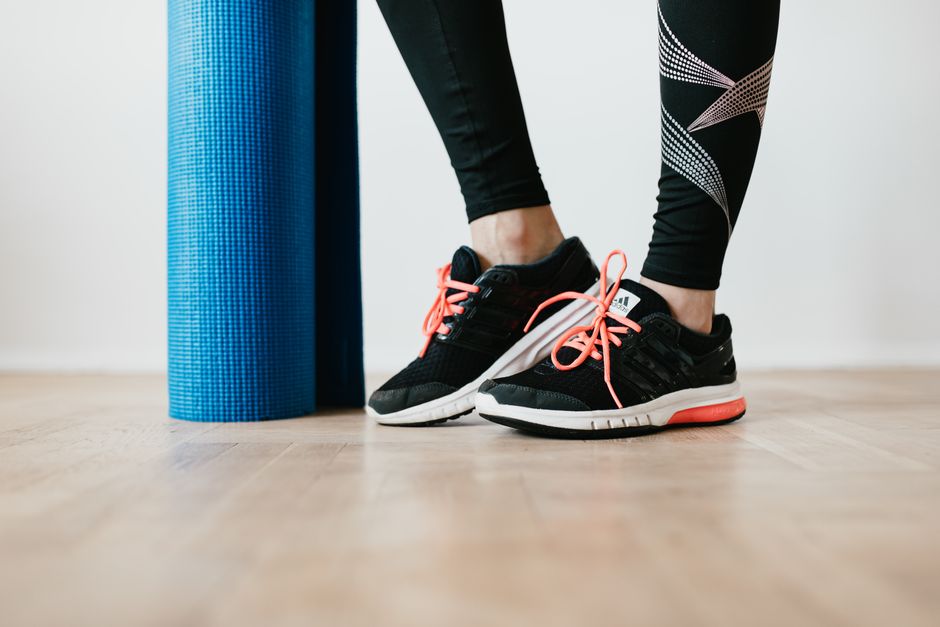
Tight calves are one of the most common complaints in adults, and most people assume the fix is simply stretching more. But the reason your calves feel tight is rarely just about flexibility. It is usually a combination of how you use your feet all day, your training habits, and sometimes underlying medical factors. Understanding the actual mechanism behind the tension is the first step to finding real relief.
What Actually Makes Your Calves Feel Tight?
The calf is made up of two main muscles: the gastrocnemius and the soleus. They meet at the Achilles tendon and attach to the heel. These muscles work every time you walk, run, or stand. When they contract repeatedly without adequate recovery, they develop microscopic tension and trigger points.
That sensation of tightness is often the muscle staying partially contracted even at rest. It is not always a flexibility problem. A muscle can feel tight because it is weak, overworked, or fatigued. Stretching a fatigued muscle that is already over-lengthened can actually make the problem worse.
Another common cause is footwear. Shoes with elevated heels, including most running shoes and dress shoes, keep the calf in a shortened position for hours. Over time, the muscle adapts to that shortened length. When you walk barefoot or flat-footed, the muscle is suddenly asked to lengthen, and it protests.
Why Are Your Calves So Tight Even When You Stretch?
If you stretch regularly and your calves still feel tight, the issue is likely not the muscle belly itself. It may be the nerve. The sciatic nerve runs from the lower back down the back of the leg and into the foot. Nerve tension can mimic muscle tightness exactly.
A simple test can help you tell the difference. Sit on the floor with your legs straight out. Flex your foot toward you. If you feel a stretch in the calf, that is muscle. If you feel it behind the knee or radiating down the leg, that is nerve tension. Stretching nerve tension aggressively can irritate the nerve further.
Poor ankle mobility also plays a role. If the ankle joint does not move through its full range, the calf muscles compensate by working harder. The result is a calf that feels perpetually tight no matter how much you stretch it.
Common Causes of Chronic Calf Tightness
Several distinct factors can cause persistent calf tightness. Most people have more than one at a time.
- Prolonged sitting or standing. Static positions reduce blood flow to the calf muscles and allow tension to build.
- High heels or stiff shoes. These keep the foot in a pointed position, shortening the calf for hours at a time.
- Sudden increases in activity. Jumping from a sedentary week to intense exercise overloads the calf without conditioning.
- Dehydration and electrolyte imbalance. Low magnesium or potassium can increase muscle irritability and cramping.
- Flat feet or high arches. Both alter how force travels through the lower leg, forcing the calf to work unevenly.
- Medication side effects. Some statins and blood pressure medications list muscle tightness and cramps as side effects.
If your tightness came on suddenly after starting a new medication, talk to your prescriber. Do not stop the medication on your own.





When Tight Calves Are a Sign of Something Else
Calf tightness is usually benign, but it can signal a more serious problem. Deep vein thrombosis, or DVT, is a blood clot in the leg. It requires urgent medical attention. The key difference is that DVT typically causes swelling, warmth, and redness in one leg only. The pain is often described as a cramp that will not release.
If you have calf tightness with any of these signs, seek medical care immediately: swelling in one leg, skin that is warm to the touch, discoloration, or pain that worsens when you point your toes upward. Do not massage a leg you suspect has a clot. That can dislodge it.
Peripheral artery disease is another condition that can cause calf pain. It happens when narrowed arteries reduce blood flow to the legs. The classic symptom is calf pain that comes on with walking and resolves with rest. This is different from a simple tightness and requires a medical evaluation.
What Actually Relieves Tight Calves
Stretching has a place, but it is not the only answer. The most effective approach combines lengthening with strengthening and tissue release.
For a standard muscle tightness, hold a calf stretch for 30 to 45 seconds. Repeat two to three times per side. Do not bounce. A straight-leg stretch targets the gastrocnemius, while a bent-knee stretch targets the soleus. Both matter because they are separate muscles.
Foam rolling can help release trigger points. Roll slowly from the ankle to the knee for about one minute per leg. If you find a tender spot, pause on it for 20 to 30 seconds. This is more effective than rolling quickly back and forth.
Strengthening is often overlooked. Calf raises performed slowly, with a full range of motion, build strength through the entire length of the muscle. Eccentric calf raises, where you lower the heel slowly over three seconds, are particularly effective for chronic calf tightness and Achilles issues.
How to Prevent Calf Tightness From Returning
Prevention depends on identifying your specific cause. If you wear heels for work, switch to a lower heel or do calf stretches immediately after removing them. If you sit all day, stand up and walk for two minutes every hour. This keeps blood moving and prevents the muscle from stiffening.
Hydration matters more than most people realize. The calf is a large muscle group, and it is sensitive to electrolyte changes. Drink water consistently throughout the day, not just around exercise. If you sweat heavily, consider an electrolyte drink with sodium and potassium.
Footwear choices outside of exercise also matter. Shoes with zero drop, meaning the heel and toe are at the same height, allow the calf to work through its full natural range. Transitioning to flat shoes should be gradual. Going from a high heel to flat shoes overnight can cause a different type of calf strain.
When to See a Doctor for Calf Tightness
Most calf tightness resolves with consistent stretching, rolling, and strengthening. But some situations warrant professional evaluation. If the tightness lasts longer than two weeks despite your efforts, see a physical therapist or sports medicine doctor.
Seek medical attention sooner if you have any of these: severe pain that limits walking, swelling in one leg, numbness or tingling in the foot, or tightness that started after a direct injury. A physical therapist can assess your gait, ankle mobility, and muscle strength to identify the root cause.
Diagnostic imaging is rarely needed for simple tightness. Your doctor may order an ultrasound if they suspect a blood clot or a structural issue. Blood tests can check for electrolyte imbalances or thyroid problems, both of which can contribute to muscle symptoms.
Does Massage Help or Hurt Tight Calves?
Massage can help, but the type matters. Deep tissue massage that forces the muscle to release can be effective for chronic tension. However, aggressive massage on an already irritated muscle can increase inflammation and make tightness worse.
A better approach is moderate pressure that finds the tender spots and holds them gently. This allows the muscle to relax on its own rather than being forced. If you use a massage gun, keep the pressure light and avoid bony areas like the shin.
Self-massage with your hands or a tennis ball can work well for the calf because the muscle is accessible. Sit with your leg bent and work from the bottom of the calf up toward the knee. Spend extra time on the inner and outer edges, where trigger points commonly form.
Frequently Asked Questions
Why do my calves feel tight even after stretching?
You may be stretching a nerve rather than a muscle, or the muscle may be weak and overworked rather than short. Stretching alone does not fix weakness or nerve tension.
Can tight calves cause foot pain?
Yes. Tight calf muscles pull on the Achilles tendon and alter how force distributes through the foot, which can contribute to arch pain and plantar fasciitis.
How long does it take to loosen tight calves?
With consistent stretching and strengthening, most people notice improvement within two to four weeks. Chronic tightness from years of poor footwear may take longer.
Is it safe to run with tight calves?
Running with mild tightness is usually safe if it does not worsen during the run. If the tightness becomes sharp pain or changes your gait, stop and address the cause first.
