
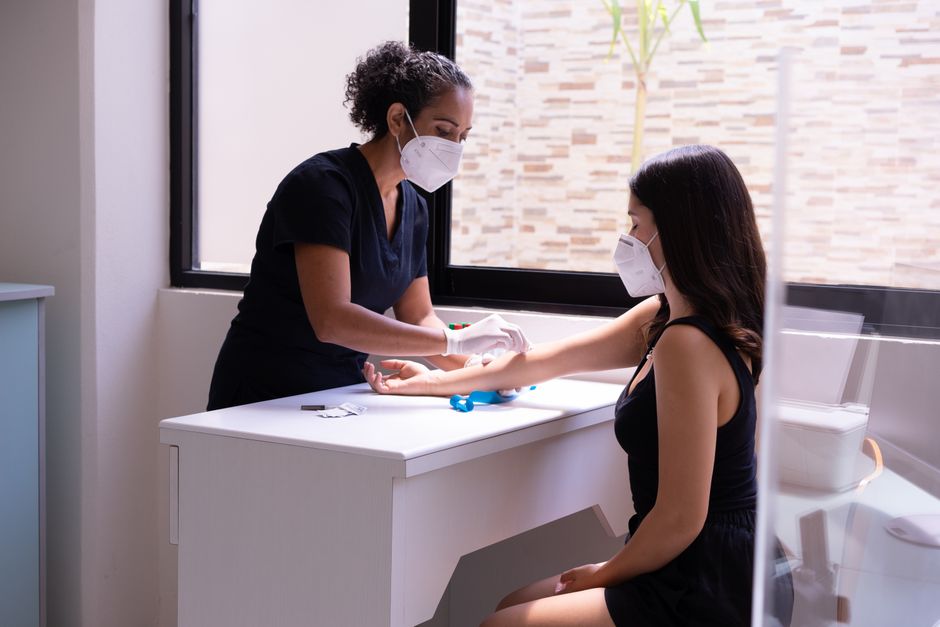
Finding out you tested positive for THC can feel like your career is over in an instant. For nurses, the stakes are especially high because patient safety and professional licensing are on the line. The short answer is that a positive THC test does not automatically end your nursing career, but it does trigger a formal process involving your employer and potentially your state board of nursing. The outcome depends heavily on your state’s laws, your employer’s policies, and whether you have a valid medical marijuana prescription.
What Happens Immediately After A Positive Test?
The first step is almost always a conversation with your employer. Most hospitals and healthcare facilities have a designated medical review officer who receives the lab results. This person verifies the test and checks for any legitimate medical explanation before the result is shared with your manager.
Do not expect a quiet, private resolution. Workplace drug policies for nurses are strict because of federal regulations. Healthcare facilities that receive federal funding, including Medicare and Medicaid payments, must follow the Drug-Free Workplace Act. This means they are required to act on positive tests even if marijuana is legal in your state.
You will likely be placed on administrative leave while the situation is reviewed. This is not the same as being fired. It gives the employer time to investigate without you working in a patient care role. The length of this leave varies, but it often lasts days to weeks depending on the complexity of your case.
Does A Medical Marijuana Card Protect You?
This is where the law gets complicated. A state-issued medical marijuana card does not protect you from workplace consequences in most cases. The Americans with Disabilities Act does not require employers to accommodate marijuana use because it remains illegal under federal law.
Some states have added explicit workplace protections for medical marijuana patients. These laws vary widely. A few states prohibit employers from firing someone solely for a positive test if they have a valid medical card. Other states allow employers to enforce zero-tolerance policies without exception.
Even in states with protections, healthcare employers often qualify for exemptions. Many state laws carve out exceptions for safety-sensitive positions, and nursing is frequently classified as one. You need to check the specific language in your state’s law, not rely on general assumptions about medical marijuana protections.
What Happens With Your Nursing License?
Your employer is not the only party involved. In many states, the board of nursing is notified about positive drug tests for licensed professionals. This is not automatic in every state, but it is common enough that you should prepare for the possibility.
The board of nursing can take several actions. They may open an investigation, require you to complete a substance abuse evaluation, or mandate participation in a monitoring program. In more serious cases, they can suspend or revoke your license. The severity of the response often depends on whether this is your first offense and whether there is any evidence of impairment at work.
Being impaired on the job is a different matter entirely. If there is documentation that you were under the influence while providing patient care, the consequences are significantly more severe. A positive test alone is treated differently than a positive test combined with observed impairment or a medication error.



Can You Be Fired For A Positive THC Test?
Yes, you can be fired. Many hospitals have zero-tolerance policies that explicitly state a positive drug test is grounds for termination. This is especially common in states where marijuana is still fully illegal.
However, termination is not automatic. Some employers offer a second chance through employee assistance programs. You may be given the option to complete a substance abuse treatment program as a condition of keeping your job. This is more common for nurses with good performance records and no prior disciplinary issues.
If you are fired, you have legal options in some states. Wrongful termination claims are possible if your employer violated state law or your employment contract. These cases are difficult to win, and you will need an employment attorney who understands both healthcare law and marijuana policy in your state.
How Long Does THC Stay In Your System?
THC is stored in fat cells, which is why it stays in the body longer than many other drugs. Urine tests are the most common method used by employers. For occasional users, THC is typically detectable for up to 3 days after last use. For regular users, it can remain detectable for 30 days or longer.
Chronic heavy users may test positive for 60 to 90 days after stopping. This extended detection window is why many nurses are surprised by positive results. They may have stopped using weeks ago but still test positive because of accumulated THC in their fat tissue.
Blood tests have a much shorter detection window of a few hours to a few days. However, blood tests are rarely used for routine workplace screening. They are more common after accidents or when impairment is suspected at the moment.
What Are Your Rights During The Process?
You have the right to see your lab results. The medical review officer should provide you with a copy of the positive test and explain the cutoff levels used. You also have the right to request a retest of the original sample. Most facilities allow this, though you may need to pay for it yourself.
You have the right to explain your situation before a final decision is made. This is your opportunity to provide documentation of a medical marijuana prescription or to explain any over-the-counter products you used that may have caused a false positive.
False positives are rare but possible. Certain medications, including some antibiotics and anti-nausea drugs, can cause a positive immunoassay screen. The confirmatory test, usually gas chromatography-mass spectrometry, is highly accurate and rules out most false positives. If your confirmatory test is positive, the result is reliable.
You should not speak to your employer’s human resources department or the board of nursing without understanding your rights. Consulting with a nurse attorney or a lawyer who specializes in professional licensing is often worth the cost. One consultation can prevent you from making statements that harm your case.
What Should You Do If You Test Positive?
Do not attempt to tamper with the sample or deny the result without evidence. These actions make the situation worse and can lead to additional disciplinary charges.
Be honest about your use history if you choose to speak. The medical review officer and the board of nursing have seen every possible story. Honesty about frequency of use and the circumstances is more credible than minimizing or hiding information.
If you have a medical marijuana card, gather your documentation. Include the date it was issued, the qualifying condition, and the recommending physician’s information. This does not guarantee protection, but it gives your employer and the board the full picture.
Seek support from your state nurses association or a professional assistance program. Many states have confidential programs for nurses with substance use issues. These programs are designed to help nurses recover while protecting public safety. Participating voluntarily can demonstrate good faith and may lead to a more favorable outcome.
Can You Get Your Nursing License Back?
License reinstatement is possible in most states, but the process takes time. You may need to complete a substance abuse evaluation, participate in treatment, and submit to random drug testing for a period of time. Some states require a formal hearing before the board before reinstatement is granted.
The length of the process varies by state and by the specifics of your case. Some nurses return to work within months. Others face a year or more of monitoring before they can practice independently.
Your nursing license is a property interest protected by due process. This means the board cannot revoke it without giving you notice and an opportunity to be heard. You have the right to legal representation at any hearing.
Frequently Asked Questions
Will I lose my nursing license for one positive THC test?
Not necessarily. A first offense with no evidence of impairment often results in probation, monitoring, or a substance abuse evaluation rather than revocation. The board of nursing in your state makes the final decision based on the details of your case.
Can I be a nurse and use medical marijuana?
It depends on your state’s laws and your employer’s policies. Some states offer workplace protections, but many healthcare employers are exempt because nursing is considered safety-sensitive. You should review both your state law and your employee handbook carefully.
How long after using marijuana will a urine test be positive?
For occasional users, THC is usually detectable for up to 3 days. Regular users may test positive for 30 days or longer, and chronic heavy users can test positive for 60 to 90 days after last use.
Should I tell my employer about my medical marijuana card before a drug test?
Disclosing your card before the test is generally wise if your state has workplace protections. This allows the medical review officer to consider your documentation during the review process rather than after a positive result is reported.
