
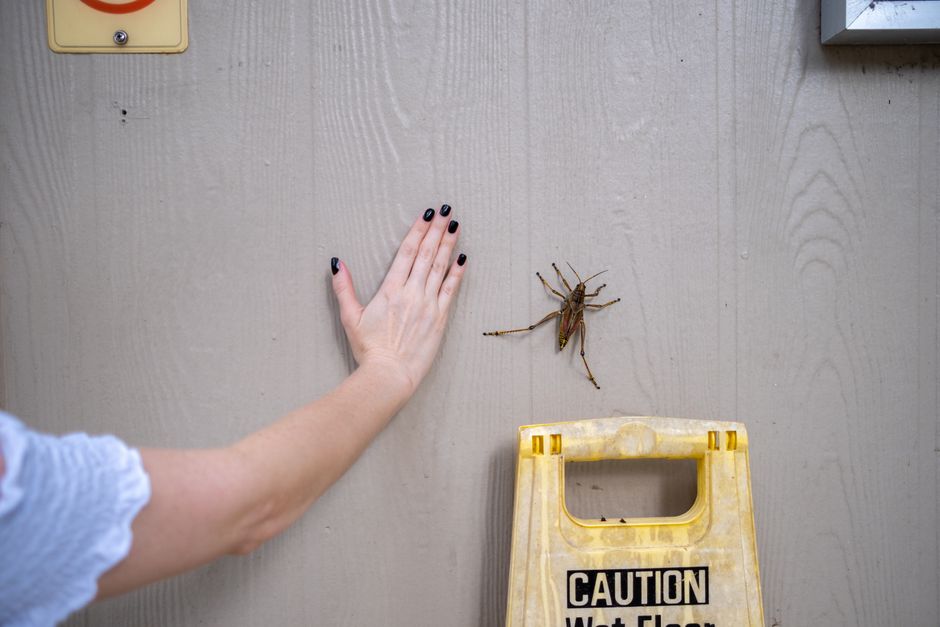
Eating insects is not automatically dangerous, but the risks depend entirely on which insect, how it was raised, and how it was prepared. Many species are genuinely nutritious, with high protein and micronutrient content. The real hazards are contamination, parasites, and allergens, not the act of eating a bug itself.
What Happens If You Eat Bugs: Safety And Nutrition Basics
If you accidentally swallow a gnat or find a stray insect in your salad, the likely outcome is nothing at all. Your stomach acid is strong, and a single small insect is digested like any other organic matter. The human digestive system handles insects routinely, often without you noticing.
The picture changes when insects are eaten deliberately, in quantity, or when they are raw and wild-caught. That is where safety questions become real.
From a nutrition standpoint, insects are animals, and their nutrient profile resembles that of other animal foods. They contain complete protein, meaning they supply all nine essential amino acids the human body cannot make on its own. Many species also carry meaningful amounts of iron, zinc, B vitamins, and healthy fats. Some provide fiber through their exoskeletons in the form of chitin, a carbohydrate humans digest poorly.
What insects do not provide reliably is vitamin B12 in consistent amounts, and their nutrient content varies widely by species, life stage, and diet. A cricket is not nutritionally identical to a mealworm.
Are Edible Insects Safe To Eat?
Insects raised specifically for human consumption and processed properly are considered safe to eat by major food safety authorities, including the United Nations Food and Agriculture Organization. The key phrase is raised specifically for human consumption.
Wild-caught insects are a different matter. They may carry parasites, pesticide residues, or harmful bacteria depending on where they lived. A grasshopper from a field sprayed with insecticide is not the same food as a farmed cricket raised on clean feed.
The main safety concerns with edible insects fall into a few categories:
- Bacteria: Insects can carry Salmonella, E. coli, and other pathogens, particularly if raised or stored in unsanitary conditions.
- Parasites: Some insects host parasitic worms that can infect humans if the insect is eaten raw.
- Pesticides and heavy metals: Wild insects can accumulate environmental contaminants.
- Allergens: This is the concern most people overlook.
Cooking insects kills most pathogens, which is why food safety guidance for insect consumption mirrors guidance for meat and seafood. Raw insect consumption carries higher risk, just as raw chicken or raw fish does.
Can You Be Allergic To Eating Insects?
Yes, and this is the most clinically significant risk for many people. Insects are arthropods, the same broad biological group that includes crustaceans like shrimp, crab, and lobster. The proteins that trigger shellfish allergies, particularly tropomyosin, are also found in many insects.
That means people with a shellfish allergy may react to eating insects, sometimes severely. Cross-reactivity between shellfish and insect allergens is documented in the scientific literature. House dust mite allergy is another related concern, since dust mites are also arthropods and share some allergenic proteins.
If you have a shellfish allergy, eating insects is not a low-risk experiment. Reactions can range from mild itching to anaphylaxis, and anaphylaxis is a medical emergency. Anyone with a known shellfish allergy should treat insect consumption with the same caution they apply to shrimp or crab.
For people without shellfish allergies, insect allergy is possible but less common. Any new food can trigger a reaction, and first-time exposure to a large amount is riskier than a small taste.





What Nutrients Do Insects Actually Provide?
Insect nutrition varies enormously by species. The table below shows general ranges rather than fixed values, because published analyses differ based on how insects were raised and tested.
| Insect | Protein (per 100g, dry) | Notable Nutrients |
|---|---|---|
| Crickets | Roughly 55-70g | Iron, zinc, B vitamins |
| Mealworms | Roughly 45-55g | Healthy fats, zinc |
| Grasshoppers | Roughly 50-60g | Iron, calcium |
| Silkworm pupae | Roughly 50-55g | Healthy fats, B vitamins |
These numbers are for dried insects, which concentrate nutrients by removing water. Fresh or cooked insects contain far less protein per gram because water makes up most of their weight. This is a common point of confusion when people compare insects to beef or chicken.
Compared to conventional livestock, insects convert feed to protein efficiently and require far less land and water. That environmental argument is well supported. The nutritional argument is more nuanced. Insects are a legitimate protein source, but they are not a magical superfood, and their vitamin profile is less predictable than that of meat, eggs, or dairy.
How Should Insects Be Prepared To Reduce Risk?
Cooking is the single most important safety step. Heat kills bacteria and parasites, the same way it does with any animal food.
Standard food safety practices apply:
- Cook insects thoroughly, just as you would poultry or seafood.
- Buy from regulated suppliers that raise insects for human consumption, not wild-caught or pet-store stock.
- Store dried insects properly to prevent mold and bacterial growth.
- Avoid raw insect dishes unless you are confident in the sourcing and handling.
Pet-store insects and wild-caught insects are not held to food-grade standards. They may be raised on waste, treated with chemicals, or handled without any food safety oversight. This is one of the clearest practical distinctions in the entire topic.
Some people also react to chitin, the tough material in insect exoskeletons. It is largely indigestible and can cause digestive discomfort in larger amounts, though this is generally a matter of stomach upset rather than a serious hazard.
Is Eating Bugs Safe For Everyone?
No. Some groups face higher risk and should be more cautious.
People with shellfish or dust mite allergies face the clearest documented risk. Anyone with a compromised immune system, including those undergoing chemotherapy or with certain chronic illnesses, faces higher risk from foodborne pathogens in general, and insects are no exception. Pregnant women, infants, and young children are typically advised to avoid higher-risk foods, and there are no established clinical guidelines specifically addressing insect consumption for these groups.
For healthy adults without shellfish allergy, eating properly cooked, commercially raised insects is not considered dangerous by food safety authorities. That is a statement about safety, not a recommendation to eat them.
The honest summary is this: insects are a real food source with real nutritional value and real, manageable risks. The risks are not unique to insects. They are the same categories of risk that apply to any animal food, and they are managed the same way, through proper sourcing, cooking, and awareness of allergies.
Frequently Asked Questions
What happens if you accidentally eat a bug?
In most cases, nothing harmful happens. A single small insect is digested like any other organic matter, though it is not a meaningful source of nutrition at that amount.
Are edible insects safe to eat raw?
Raw insects carry a higher risk of bacteria and parasites than cooked insects. Cooking is the main step that makes insect consumption safer, just as it does with meat and seafood.
Can eating bugs cause an allergic reaction?
Yes, especially in people with shellfish or dust mite allergies, because insects share similar allergenic proteins. Reactions can be serious, so anyone with a shellfish allergy should avoid insects.
Are insects actually nutritious?
Many edible insects are high in protein and supply iron, zinc, and B vitamins, though nutrient levels vary by species and how they are raised. They are nutritious but not nutritionally identical to meat, eggs, or dairy.
