
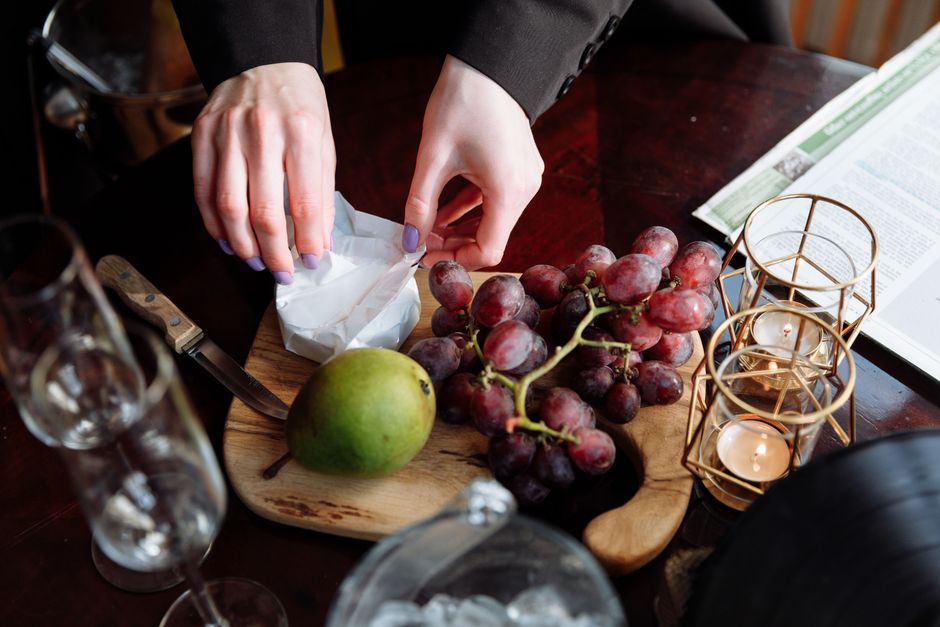
Raw cheese is made from unpasteurized milk, meaning it has not been heated to kill bacteria before the cheesemaking process. Its taste is often described as more complex and grassy than pasteurized cheese, with flavors that shift depending on the season and what the animals ate. Nutritionally, it retains more natural enzymes and beneficial bacteria, though the differences are smaller than many claims suggest. Safety is the main concern, as raw cheese carries a small but real risk of harmful bacteria, especially for pregnant people, young children, and those with weaker immune systems.
What Does Raw Cheese Taste Like Compared to Pasteurized Cheese?
The short answer is that raw cheese tastes more alive and varied. Pasteurization standardizes flavor by killing all bacteria, both good and bad. Raw cheese lets the natural microbial community from the milk and the aging environment do their work.
Many people describe raw cheese as having a grassy, earthy, or barnyard quality. You might notice flavors that change from batch to batch. This is normal. A raw cheddar from spring milk when cows eat fresh grass will taste different from one made in winter from hay-fed animals. Pasteurized cheese is more consistent because the heat treatment removes much of that microbial variation.
Texture also differs. Raw cheese often feels more dense and crumbly, especially in aged varieties. The natural enzymes break down proteins and fats slowly, creating a more complex mouthfeel. Some people find raw cheese slightly grittier or more crystalline, which comes from calcium lactate crystals that form during long aging.
Not everyone prefers raw cheese. Some find the flavors too strong or unpredictable. If you are used to mild pasteurized cheese, raw cheese can taste sour or funky at first. It is an acquired taste for many.
What Is Raw Cheese Nutrition and How Does It Compare?
The basic nutritional profile of raw cheese is similar to pasteurized cheese. Both contain similar amounts of protein, fat, calcium, and calories. A one-ounce serving of most hard cheeses provides about 110 calories, 6 to 7 grams of protein, and 200 milligrams of calcium, regardless of pasteurization status.
The real difference is in the micronutrients and enzymes. Raw cheese retains more vitamin B6, vitamin B12, and vitamin K2. These vitamins are heat-sensitive and some are reduced during pasteurization. The difference is modest but measurable. Research published in the Journal of Dairy Science found that raw milk cheese contains slightly higher levels of short-chain fatty acids, which some studies associate with better gut health.
Raw cheese also contains live enzymes that help break down lactose and milk proteins. This is why some people who are mildly lactose intolerant report tolerating aged raw cheese better than pasteurized cheese. The aging process naturally reduces lactose regardless of pasteurization, but raw cheese has additional enzymes that can help further break down what remains.
Claims that raw cheese is a superfood or dramatically more nutritious than pasteurized cheese are overstated. The differences are real but small. A balanced diet with either type of cheese provides good nutrition.
| Nutrient (per 1 oz serving) | Raw Cheddar | Pasteurized Cheddar |
|---|---|---|
| Calories | 113 | 114 |
| Protein | 7 g | 7 g |
| Fat | 9 g | 9 g |
| Calcium | 204 mg | 202 mg |
| Vitamin K2 | Higher levels | Lower levels |
| Live enzymes | Present | Minimal |
Is Raw Cheese Safe to Eat?
Safety is the most important question with raw cheese, and the answer depends on the cheese and the person eating it. The FDA requires all raw milk cheeses aged less than 60 days to be banned from sale in the United States. The 60-day aging rule is based on research showing that harmful bacteria like Salmonella, E. coli, and Listeria cannot survive in hard cheese after 60 days of aging due to the acidic environment and low moisture.
Hard aged raw cheeses like Parmigiano-Reggiano, aged Gouda, and raw cheddar aged over 60 days are considered very low risk. The CDC reports that outbreaks linked to these cheeses are extremely rare. The 60-day rule is not perfect, but it significantly reduces risk.
Soft raw cheeses like raw milk Brie, Camembert, and fresh chèvre are riskier. These cheeses are aged less than 60 days and have higher moisture content, which allows bacteria to survive. The CDC specifically warns against soft raw cheeses for pregnant women, older adults, and people with compromised immune systems.
Healthy adults with normal immune systems face very low risk from aged raw cheese. The FDA estimates that the risk of getting sick from raw milk cheese is about the same as from pasteurized cheese when both are properly aged. The risk is not zero, but it is small for most people.





What Does Research on Raw Cheese Safety and Nutrition Actually Show?
Several studies have directly compared raw and pasteurized cheese. A 2016 review in Food Microbiology analyzed data from multiple countries and found that raw milk cheeses had slightly higher levels of beneficial bacteria but also a slightly higher rate of pathogen contamination. The difference was small for aged hard cheeses but more significant for soft cheeses.
Research from the University of Minnesota found that raw cheese contains higher levels of conjugated linoleic acid, a fatty acid linked to reduced inflammation in some animal studies. Human studies are less clear. The amounts present in cheese are small enough that you would need to eat large quantities to get a meaningful benefit.
The enzyme content of raw cheese is well-documented. Lactase, the enzyme that breaks down lactose, is present in raw milk but mostly destroyed by pasteurization. A study in the Journal of the American College of Nutrition found that people with lactose intolerance reported fewer symptoms after eating aged raw cheese compared to pasteurized cheese. The researchers noted that the aging process itself also reduces lactose, so the benefit is not solely from raw enzymes.
Claims that raw cheese prevents allergies, cures digestive issues, or boosts immunity are not supported by strong evidence. Some people report benefits, and it is possible that the live bacteria and enzymes help some individuals. But the research is not there yet to make broad health claims.
How to Choose and Store Raw Cheese Safely
If you decide to try raw cheese, look for clear labeling. In the US, raw cheese must be labeled as made from unpasteurized milk. Buy from reputable producers who follow strict hygiene practices. Small artisan cheesemakers often have higher quality control than large industrial operations because they monitor their herds and production closely.
Storage matters for raw cheese more than pasteurized because the live cultures continue to age the cheese. Keep raw cheese in the original wrapping or in cheese paper, not plastic wrap. Plastic traps moisture and can cause off flavors or mold growth. Raw cheese should be stored in the warmest part of the refrigerator, usually the vegetable drawer, at around 40 to 45 degrees Fahrenheit.
Here are practical tips for handling raw cheese:
- Always buy from a trusted source with good refrigeration.
- Check the aging time. Hard cheeses aged over 60 days are safer.
- Keep raw cheese separate from raw meat in the fridge to avoid cross contamination.
- If you are pregnant, have a weakened immune system, or are feeding young children, stick with pasteurized cheese.
- Discard raw cheese if it develops off smells, slimy texture, or unusual mold that is not part of the cheese variety.
Raw cheese can last several weeks if stored properly. The natural enzymes continue working, so the flavor will slowly intensify over time. This is normal and part of the appeal for many cheese lovers.
Common Misconceptions About Raw Cheese
One widespread claim is that raw cheese is completely safe because the natural bacteria in raw milk kill pathogens. This is not true. While raw milk contains beneficial bacteria that can compete with harmful ones, they do not reliably eliminate pathogens. The safety of raw cheese comes primarily from the aging process, not from the raw milk itself.
Another misconception is that raw cheese is illegal in the United States. It is not. Raw cheese aged 60 days or more is legal to sell across state lines. Some states also allow the sale of younger raw cheeses within the state. The rules vary by state, but aged raw cheese is widely available.
Some people believe that raw cheese is always organic or grass-fed. It is not. Raw refers only to the milk not being pasteurized. The cows could be grain-fed, given antibiotics, or raised in confinement. Look for additional labels like organic or grass-fed if those factors matter to you.
Finally, the idea that all European cheese is raw is false. Many European cheeses are pasteurized, especially those exported to the US. Some famous raw cheeses like raw milk Parmigiano-Reggiano are aged long enough to meet US safety standards. But not all European cheese is raw, and not all raw cheese is European.
Frequently Asked Questions
Can I eat raw cheese while pregnant?
No, pregnant women should avoid soft raw cheeses and only eat hard aged raw cheeses after consulting their doctor. The CDC recommends pasteurized cheese during pregnancy to eliminate any risk of Listeria.
Does raw cheese taste different from pasteurized cheese?
Yes, raw cheese generally has a more complex, grassy, and earthy flavor that varies by season and animal diet. Pasteurized cheese tastes more consistent and milder by comparison.
Is raw cheese more nutritious than pasteurized cheese?
Raw cheese retains slightly more vitamins B6, B12, and K2 along with live enzymes, but the overall nutritional difference is small. Both provide similar amounts of protein, fat, and calcium.
How long does raw cheese last in the refrigerator?
Raw cheese can last 3 to 6 weeks when stored properly in cheese paper at 40 to 45 degrees Fahrenheit. The flavor will continue to develop over time.
