
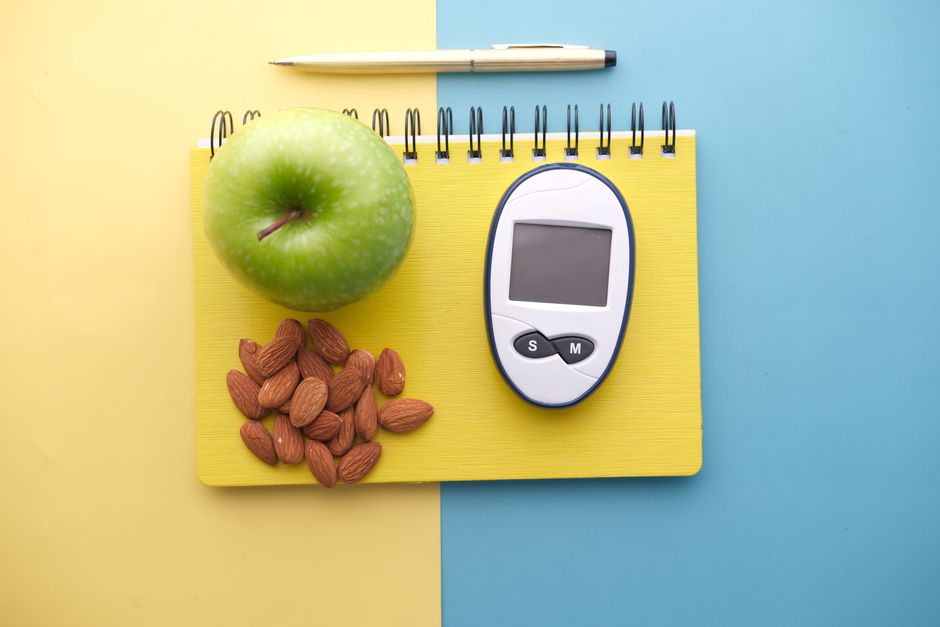
Low blood sugar, or hypoglycemia, happens when the glucose in your blood drops below normal levels. For most people, that means a reading below 70 mg/dL. When this happens, your body and brain do not have enough fuel to work properly. The symptoms can range from mild shakiness and confusion to severe outcomes like loss of consciousness or seizures. Acting quickly to raise blood sugar is critical, and knowing the warning signs can prevent a medical emergency.
What Are the First Symptoms of Low Blood Sugar?
The earliest signs of hypoglycemia are often easy to miss. They can feel like anxiety, hunger, or just being tired. Your body releases hormones like epinephrine to alert you that glucose is dropping. This is your warning system.
Common early symptoms include:
- Shakiness or trembling
- Sweating or clammy skin
- Rapid heartbeat
- Sudden hunger
- Irritability or mood changes
- Anxiety or nervousness
- Tingling around the mouth
These symptoms are uncomfortable but not dangerous on their own. They are a signal to check your blood sugar and eat something. If you ignore them, the condition can progress quickly.
What Happens If Blood Sugar Is Too Low Symptoms Risks: Severe Signs
When blood sugar continues to fall, the brain is affected. The brain depends almost entirely on glucose for energy. Without it, brain function declines rapidly.
Moderate to severe symptoms include:
- Confusion or difficulty concentrating
- Slurred speech
- Blurred vision
- Weakness or extreme fatigue
- Dizziness or lightheadedness
- Difficulty walking or poor coordination
- Seizures
- Loss of consciousness or coma
Severe hypoglycemia is a medical emergency. If someone is unconscious or having a seizure, do not give them food or drink. They cannot swallow safely. Call emergency services immediately.
Why Does Blood Sugar Drop Too Low?
Hypoglycemia is most common in people with diabetes who take insulin or certain oral medications. These treatments lower blood sugar directly. If the dose is too high, or the person eats less than expected, blood sugar can fall too far.
Skipping meals is another common cause. If you take diabetes medication and then do not eat, your glucose has nothing to keep it stable. Alcohol can also cause delayed hypoglycemia, especially when consumed on an empty stomach. The liver is busy processing alcohol and may not release stored glucose when needed.
For people without diabetes, low blood sugar is less common but possible. Certain illnesses, hormone deficiencies, or rare tumors can cause it. Some metabolic conditions also affect glucose regulation. If you do not have diabetes and experience these symptoms, a doctor should evaluate you to find the cause.


How Low Is Too Low?
Blood sugar below 70 mg/dL is generally considered hypoglycemia. Levels below 54 mg/dL are considered clinically significant and require immediate treatment.
At that level, your body cannot compensate on its own. The brain begins to malfunction. Even if you feel okay at first, the situation can worsen without warning.
For people with well-controlled diabetes, even mild hypoglycemia should be treated promptly. Repeated episodes of low blood sugar can reduce your awareness of symptoms. This is called hypoglycemia unawareness. You may no longer feel the early warning signs, which makes severe episodes more likely.
How to Treat Low Blood Sugar Quickly
If you can check your blood sugar and it is below 70 mg/dL, treat it immediately. The standard rule is the 15-15 rule. Eat or drink 15 grams of fast-acting carbohydrate, wait 15 minutes, and recheck your blood sugar.
Fast-acting carbohydrates include:
- Glucose tablets (follow the label for the number of tablets)
- Half a cup of fruit juice or regular soda
- One tablespoon of sugar or honey
- Small box of raisins
If your blood sugar is still below 70 mg/dL after 15 minutes, repeat the treatment. Once your blood sugar is back to normal, eat a small snack with protein or complex carbohydrates. This helps keep your blood sugar stable until your next meal.
Do not treat hypoglycemia with chocolate, ice cream, or other foods high in fat. Fat slows down sugar absorption. These foods will not raise your blood sugar quickly enough.
What Are the Long-Term Risks of Repeated Hypoglycemia?
Occasional mild hypoglycemia is unpleasant but usually not harmful. Chronic or repeated episodes can have lasting effects.
Repeated low blood sugar can damage your body’s ability to detect the condition. Your counter-regulatory hormones become less responsive. This means you may not feel symptoms until your blood sugar is dangerously low. This is a serious risk for people with diabetes, particularly those who have had the condition for many years.
Severe hypoglycemia has been linked to an increased risk of cardiovascular events in older adults. Some research also suggests a connection between repeated severe episodes and cognitive decline. However, the relationship is complex. It is difficult to separate the effects of hypoglycemia from the effects of long-term diabetes itself.
For most people, the immediate goal is prevention. Frequent blood sugar monitoring, consistent meal timing, and medication adjustments can reduce the frequency of episodes.
When to Seek Emergency Care
Some situations require immediate medical attention. Do not wait to see if the person improves on their own.
Seek emergency care if someone:
- Is unconscious or unresponsive
- Is having a seizure
- Cannot swallow food or drink
- Does not improve after treatment
- Has blood sugar that stays dangerously low despite treatment
If the person is unconscious, do not put anything in their mouth. Turn them on their side if possible. Call 911 and stay with them until help arrives.
People with diabetes who experience severe hypoglycemia may need a glucagon emergency kit. Glucagon is a hormone that raises blood sugar. It is given by injection or nasal spray. Family members and caregivers should know how to use it and when to administer it.
How to Prevent Low Blood Sugar
Prevention is the best strategy. For people with diabetes, this starts with understanding how medications work. Insulin and sulfonylureas are the most likely to cause hypoglycemia. Newer diabetes medications carry a much lower risk.
Consistent carbohydrate intake matters. If you take medication that can cause low blood sugar, do not skip meals. Be aware that exercise increases insulin sensitivity. You may need to adjust your medication dose or eat a snack before physical activity.
Alcohol is a hidden risk. It can cause hypoglycemia hours after drinking, often overnight. If you drink, eat food at the same time and check your blood sugar before bed.
For people without diabetes, prevention depends on the underlying cause. Eating regular meals and avoiding long gaps without food can help. But if symptoms persist, medical evaluation is necessary.
Can Low Blood Sugar Happen During Sleep?
Yes. Nocturnal hypoglycemia occurs while you sleep. It can be dangerous because you may not wake up when symptoms start.
Signs of nighttime low blood sugar include:
- Night sweats or damp sheets
- Nightmares or restless sleep
- Waking up with a headache
- Feeling tired or irritable in the morning
People who have hypoglycemia unawareness are at higher risk for nighttime episodes. Continuous glucose monitors can alert you when your blood sugar is dropping. If you wake up with symptoms, check your blood sugar. If it is low, treat it even if you feel okay.
Frequently Asked Questions
What is the fastest way to raise low blood sugar?
Eat or drink 15 grams of fast-acting carbohydrate like glucose tablets, fruit juice, or regular soda. Recheck your blood sugar after 15 minutes and repeat if it is still below 70 mg/dL.
What should I do if someone with low blood sugar is unconscious?
Do not give them food or drink because they cannot swallow safely. Call emergency services immediately and stay with the person until help arrives.
Can low blood sugar happen without diabetes?
Yes, but it is uncommon. Certain illnesses, hormone deficiencies, or rare tumors can cause it, and a doctor should evaluate the cause if you do not have diabetes.
Is a blood sugar of 60 dangerous?
A reading of 60 mg/dL is below the normal range and requires treatment. If you are conscious and able to swallow, consume fast-acting carbohydrates and recheck your blood sugar.
