
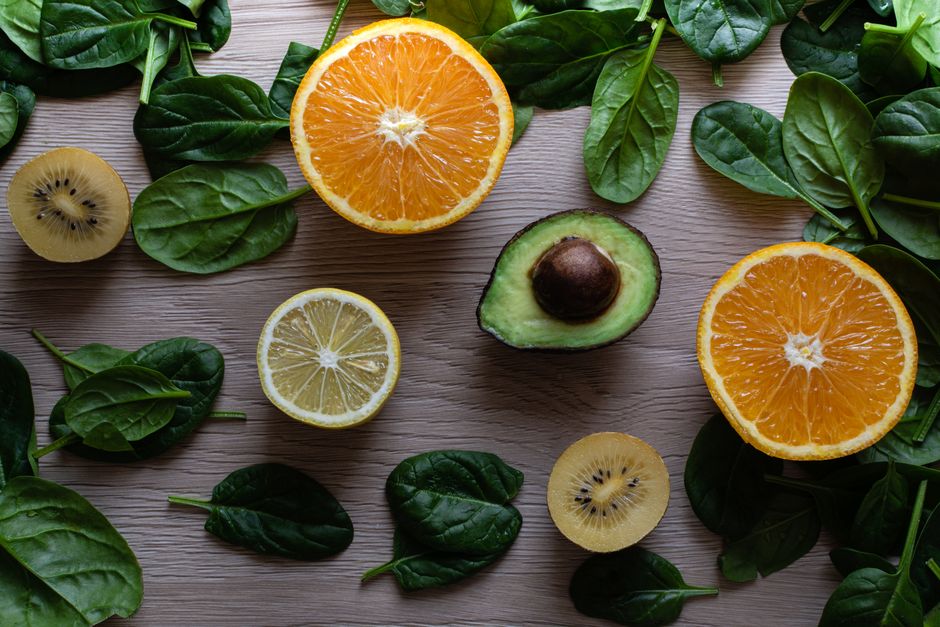
Most people are surprised to learn that fruit can contain fat. The common idea is that fruit is mostly water, sugar, and fiber. But a few fruits break that rule. Avocados and coconuts are the most well-known examples. They are genuinely high in fat, unlike apples, bananas, or berries which contain almost none. The key fact is simple: avocados and coconuts are the only common fruits that store significant amounts of fat. This article explains which fruits have fat, how much they contain, and why it matters for your health.
Which Fruits Actually Contain Fat?
When we talk about fat in fruit, we are talking about a very short list. The two main examples are avocado and coconut. Both are botanically fruits, but their nutritional profiles look more like nuts or seeds than typical fruit.
Avocados contain mostly monounsaturated fat, the same type of fat found in olive oil. Coconuts are different. Their fat is mostly saturated, which is unusual for a plant food. A few other fruits contain small amounts of fat, but nowhere near the levels seen in avocado and coconut.
Olives are technically a fruit too, and they contain fat. Olive oil comes from pressing olives. But people rarely eat raw olives in large quantities, so they are not usually discussed in the same way as avocados or coconuts.
Some seeds that we call fruits, like durian, contain a little fat. But durian is an outlier and not commonly eaten in most US households. The practical answer remains the same: avocado and coconut are the fat-containing fruits that matter.
How Much Fat Is in an Avocado?
A whole medium avocado contains roughly 21 grams of fat. That is a significant amount for a fruit. Most of that fat is monounsaturated, specifically oleic acid. This is the same fatty acid that makes olive oil heart-healthy.
The fat in avocado is not just empty calories. It helps your body absorb fat-soluble vitamins like A, D, E, and K. If you eat a salad with avocado, you absorb more nutrients from the vegetables than you would without it.
Avocados also contain fiber and potassium. A medium avocado has about 10 grams of fiber, which is roughly one-third of the daily recommended intake for adults. The combination of fat and fiber makes avocados very filling.
One important note: because avocados are calorie-dense, portion size matters. A whole avocado has about 240 calories. If you are watching your weight, half an avocado is a reasonable single serving.
How Much Fat Is in Coconut?
Coconut is different from avocado in almost every nutritional way. The fat in coconut is mostly saturated. About 89 percent of the fat in coconut is saturated fat, which is higher than butter.
A cup of fresh shredded coconut contains about 27 grams of fat. Coconut oil is nearly 100 percent fat. Coconut milk and coconut cream are also high in fat, though the exact amount depends on the brand and whether it is diluted.
The saturated fat in coconut has been debated for years. Some studies suggest that the medium-chain triglycerides in coconut may behave differently in the body than other saturated fats. But the evidence is not strong enough to say coconut is harmless. Most major health organizations still recommend limiting saturated fat intake.
If you enjoy coconut, it is fine in moderation. But it is not a health food that you should add to your diet in large amounts without thinking about the rest of your saturated fat intake.





What Fruits Have Fat Avocado Coconut More? Here Is the Full Picture
If you are asking which fruits have fat beyond avocado and coconut, the honest answer is very few. Here is a quick breakdown of fruits that contain measurable fat:
- Avocado: about 15 grams of fat per 100 grams. Mostly monounsaturated.
- Coconut: about 33 grams of fat per 100 grams of fresh meat. Mostly saturated.
- Olives: about 11 grams of fat per 100 grams. Mostly monounsaturated.
- Durian: about 5 grams of fat per 100 grams. Mostly monounsaturated.
- All other common fruits: less than 1 gram of fat per 100 grams.
Bananas have 0.3 grams of fat per 100 grams. Apples have 0.2 grams. Berries have even less. For practical purposes, these fruits contain no fat at all.
This matters because fat affects how quickly your body digests food. Fat slows digestion, which means avocado and coconut keep you full longer than apples or grapes. That can be useful for appetite control, but it also means these fruits are much higher in calories.
Why Do Avocados and Coconuts Store Fat?
Plants store energy in different forms. Most fruits store energy as sugar. Avocados and coconuts evolved differently. They store energy as fat because of their environment and their role in the plant’s reproduction.
Avocado trees produce large seeds. The fatty flesh around the seed likely helps attract large animals that eat the fruit and spread the seed. The fat provides a dense source of energy for those animals.
Coconuts float across oceans. The fat in coconut meat serves as an energy reserve for the young plant as it grows from a seed on a distant shore. This is why coconut is so calorie-dense compared to other fruits.
This evolutionary background explains why these fruits are outliers. They are not trying to be a quick sugar snack for humans. They are designed for a different purpose, and their nutritional profile reflects that.
Should You Eat High-Fat Fruits?
Yes, but with some context. Avocado is widely considered a healthy food. The monounsaturated fat it contains is associated with better heart health in many observational studies. Replacing saturated fats with monounsaturated fats is a well-supported dietary recommendation.
Coconut is more complicated. The saturated fat content is a concern for some people, especially those with high cholesterol or a history of heart disease. If you have these conditions, it is reasonable to limit coconut and coconut oil.
Neither fruit is harmful on its own. The issue is always the overall pattern of your diet. If you eat avocado instead of processed snacks, that is a good trade. If you add coconut oil on top of an already fatty diet, that is not helpful.
There is no clinical guideline that says you must eat these fruits. They are optional foods. If you enjoy them, they can fit into a healthy diet. If you do not, you are not missing a required nutrient.
How to Use Avocado and Coconut in Cooking
Avocado is versatile. You can mash it for guacamole, slice it onto toast, or blend it into smoothies. It also works as a substitute for butter or oil in some baking recipes. Because of its mild flavor, it does not overpower other ingredients.
Coconut is also versatile but has a stronger flavor. Shredded coconut works in baking. Coconut milk adds creaminess to soups and curries. Coconut oil can be used for cooking at higher temperatures because it has a high smoke point.
One practical tip: both avocado and coconut go rancid faster than other fruits because of their fat content. Store them properly. An opened avocado should be refrigerated and eaten within a day or two. Coconut products should be used before their expiration date.
Common Myths About Fat in Fruit
A common myth is that eating fat from fruit is always healthy because it comes from a plant. This is not accurate. Plant-based saturated fat still raises LDL cholesterol in many people. The source of the fat does not automatically make it healthy.
Another myth is that avocado is fattening and should be avoided. This is also misleading. Avocado is calorie-dense, but it is also nutrient-dense. Eating half an avocado with a meal can increase satiety and reduce snacking later. The research does not support the idea that avocados cause weight gain on their own.
A third myth is that coconut water is a good source of fat. It is not. Coconut water is the clear liquid inside young coconuts. It contains almost no fat and very few calories. The fat is in the white meat, not the water.
Frequently Asked Questions
Which fruits are highest in fat?
Avocado and coconut are the highest-fat fruits. Avocado has about 15 grams of fat per 100 grams, and coconut has about 33 grams per 100 grams.
Is the fat in avocado healthy?
Yes, avocado fat is mostly monounsaturated, which is the same type of fat found in olive oil. It is associated with better heart health when it replaces saturated fat.
Is coconut fat bad for you?
Coconut fat is mostly saturated, so it should be eaten in moderation. Some research suggests medium-chain triglycerides may behave differently, but the evidence is not strong enough to call coconut harmless.
Do bananas or apples contain any fat?
They contain trace amounts only, less than 0.5 grams per 100 grams. For practical purposes, they contain no fat.
