
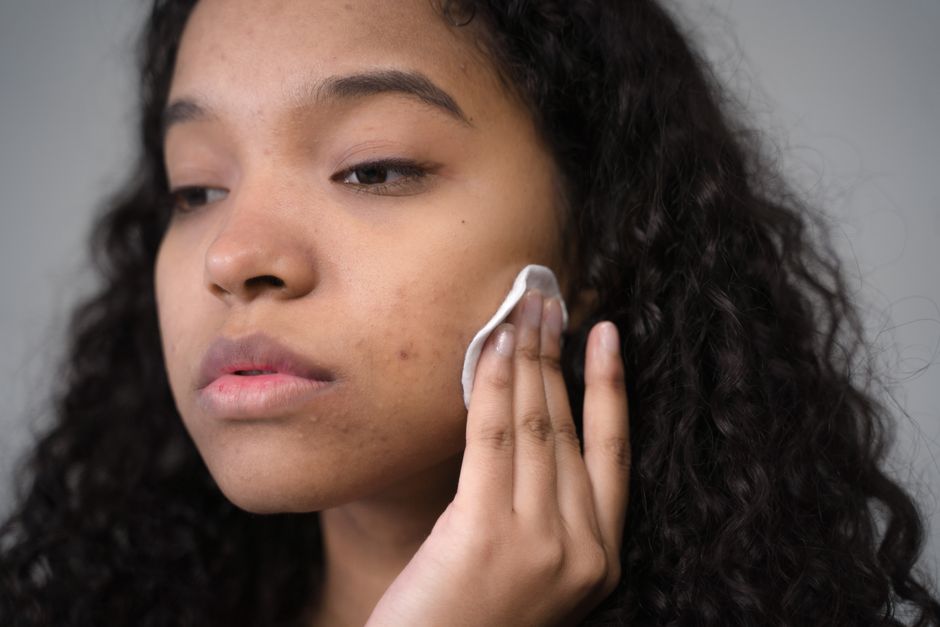
Fat pads on the face, chin, and knees are collections of subcutaneous fat — the fat that sits just beneath your skin. You cannot target fat loss to one area through exercise or diet alone, because the body draws on fat stores systemically, not locally. Removing these pads means reducing overall body fat, and in some cases, medical or surgical procedures that physically remove or reduce the fat in a specific spot. Which approach fits depends on whether the fat is general body fat, a genetic deposit, or a fluid-related swelling that only looks like fat.
Why Do Fat Pads Form On The Face, Chin, And Knees?
Subcutaneous fat is normal. Everyone has it, and it serves real purposes — insulation, energy storage, and cushioning. Where your body tends to store it is largely determined by genetics and hormones, not willpower.
Facial fullness and a soft chin are common in people with higher overall body fat, but they also appear in people who are lean. Some of this is structural. The face has distinct fat compartments that shift and thin with age, and the chin area can look fuller because of a small chin, a recessed jaw, or loose skin rather than fat alone. What looks like a “fat pad” under the chin is sometimes submental fat, and sometimes it is the position of the underlying bone and muscle.
The knees are a different story. Fat around the knees is usually part of general lower-body fat storage, which many people — especially women — are genetically predisposed to. A pocket of fat on the inner knee can also be a lipoma, a benign fatty lump, or swelling from a joint issue. These are not the same thing and are not treated the same way.
One clarification worth making: a “double chin” is not always fat. In some people it is fluid retention, a thyroid-related change, or simply anatomy. If the area changes quickly, is tender, or comes with other symptoms, that points away from ordinary fat and toward something a doctor should evaluate.
Can You Spot-Reduce Fat On Your Face, Chin, Or Knees?
No. Spot reduction does not work. This is one of the most well-established findings in exercise science.
When you create a calorie deficit, your body mobilizes fat from stores across the body, and the pattern is set by genetics and hormones — not by which muscle you exercise. Doing facial exercises will not burn facial fat. Leg lifts will not burn knee fat. The muscle underneath may get stronger, but the fat layer on top does not shrink in that spot alone.
This matters because a huge amount of content online promises targeted fat removal through specific movements or gadgets. No clinical evidence supports those claims. The honest position is that reducing overall body fat is the only non-procedural way to reduce fat anywhere, and even then, where you lose it first is not under your control.
What Actually Reduces Overall Body Fat?
A sustained calorie deficit is the foundation. That means eating fewer calories than you burn, consistently, over weeks and months. How you achieve that deficit matters less than whether you can maintain it.
Research consistently shows that weight loss comes primarily from diet, with physical activity supporting it and helping preserve muscle. A few points that hold up across the evidence:
- Protein intake helps preserve lean muscle during weight loss, which keeps your resting metabolism from dropping as much.
- Strength training signals the body to keep muscle while fat is lost.
- Sleep and stress affect appetite hormones and adherence — poor sleep makes a deficit harder to sustain.
- Rate of loss matters. Losing weight very quickly tends to cost more muscle and is harder to maintain.
For facial fullness specifically, some people notice their face leans out before other areas, and some notice it last. That order is genetic. There is no way to force the face to be first.



When Is A Procedure The Right Option?
Procedures exist for people who want to remove fat from a specific area that does not respond to weight loss, or who are already at a stable weight and want a localized change. These fall into two broad groups: surgical removal and fat-reducing injections.
Surgical options include liposuction, which suctions out fat through a small tube, and procedures like submental lipectomy for the chin area. These physically remove fat cells. The fat cells that are removed do not grow back, but the remaining fat cells can still enlarge if you gain weight, so results are not permanent against future weight gain.
Injection-based options use a substance that breaks down fat cells in a treated area, most commonly used under the chin. This is a real, regulated treatment, but it is not for everyone, requires multiple sessions for many people, and carries side effects including swelling, numbness, and firmness in the treated area. It is not a weight-loss method and is intended for small, localized deposits.
For the knees, surgical fat removal is less common and more delicate because of the joint and surrounding structures. Some clinicians treat inner-knee fat with liposuction, but this is not a standard, widely studied procedure the way chin treatments are. Anyone considering it should understand that the evidence base is thinner.
What About Creams, Massagers, And “Slimming” Devices?
No cream removes fat. This is worth stating plainly because the marketing is relentless.
Topical products cannot penetrate deep enough to reach and break down fat cells in a meaningful way. Some contain caffeine or other compounds that may temporarily reduce fluid in the skin, which can make an area look slightly tighter for a short time. That is a fluid effect, not fat loss, and it reverses.
Massage devices, vibrating belts, and similar gadgets have not been shown in controlled studies to reduce fat. Any temporary change is usually fluid shifts or skin appearance, not a reduction in fat cells.
There is one legitimate medical device category — energy-based treatments that use cold, heat, or ultrasound to damage fat cells in a targeted area. These are performed in clinical settings, not sold as home gadgets, and results vary. They are generally intended for small areas and modest changes, not for significant fat reduction.
What Else Can Look Like A Fat Pad?
Before assuming an area is fat, rule out the things that imitate it. This is where a lot of people waste effort treating the wrong problem.
Under the chin, a fullness can come from an enlarged thyroid gland, swollen lymph nodes, or a salivary gland issue. On the face, puffiness can be fluid retention from salt, alcohol, sleep position, or a medication side effect. On the knees, swelling can signal a joint problem, injury, or a circulation issue.
A lipoma — a benign fatty tumor — can appear on the knee, face, or elsewhere. It feels like a soft, movable lump under the skin. Lipomas are usually harmless, but they should be checked by a doctor to confirm what they are, because other lumps are not harmless.
Signs that something is not ordinary fat:
- The area changed quickly, over days or weeks.
- It is tender, warm, red, or painful.
- It feels hard or fixed rather than soft and movable.
- It comes with fatigue, weight change, or other body-wide symptoms.
If any of these apply, see a clinician before trying any fat-reduction approach.
Is It Possible To Remove Fat Pads Without Procedures?
Yes, but only by reducing overall body fat, and only if the pad is actually fat. There is no shortcut that targets one area.
The realistic non-procedural path is a sustained calorie deficit, adequate protein, strength training, and good sleep — the same things that reduce fat everywhere. For some people this noticeably changes the face and chin. For others, a genetic fat deposit under the chin or on the knees barely budges even with significant weight loss. That is not a failure of effort; it reflects how that person’s body distributes fat.
If the pad is fluid, not fat, the approach is different — reducing sodium, addressing the underlying cause, and in some cases a medical evaluation. If it is a lipoma or a structural issue, no amount of diet or exercise will change it.
This is the part most content leaves out: the right answer depends on what the pad actually is. Get that clear first. Everything else follows from it.
Frequently Asked Questions
Can you get rid of face fat by doing facial exercises?
No. Facial exercises strengthen facial muscles but do not reduce fat in the face, because the body does not burn fat from a specific area when you work the muscle there. Any visible change is usually muscle tone, not fat loss.
Does liposuction permanently remove chin fat?
Liposuction removes fat cells from the treated area, and those specific cells do not return. However, the remaining fat cells can still enlarge if you gain weight, so the result is not fully permanent.
What causes fat pads on the knees?
Knee fat is usually part of general lower-body fat storage, which is strongly influenced by genetics. It can also be a benign fatty lump called a lipoma, or swelling from a joint or circulation issue, which is not fat at all.
Can creams or massagers remove fat from the chin?
No. Topical creams cannot reach and break down fat cells, and massage devices have not been shown in controlled studies to reduce fat. Any short-term tightening is usually a fluid effect that reverses.
