
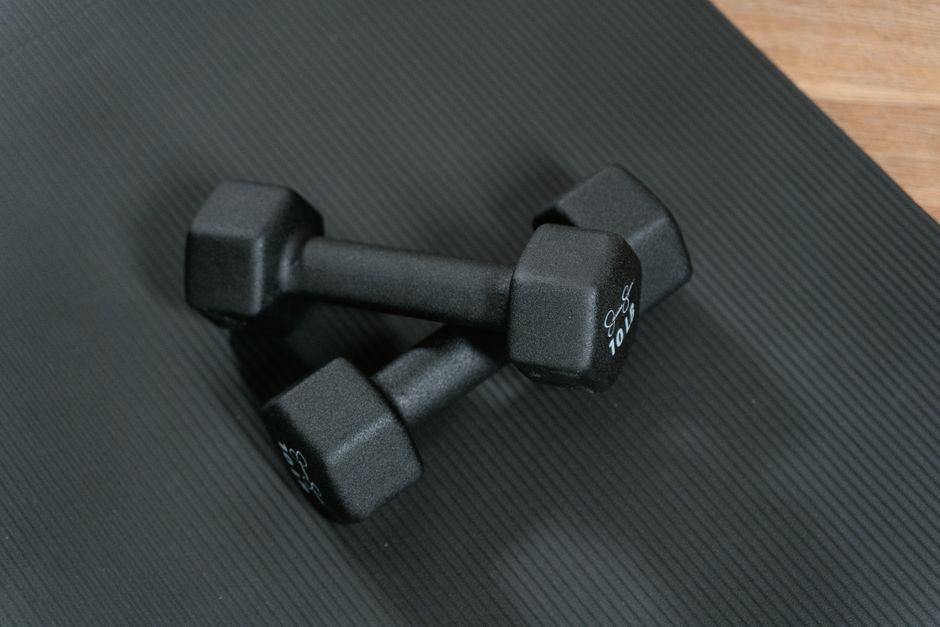
Yes — lifting weights can help you burn fat, but not in the way most people assume. It does not torch a huge number of calories while you are actually lifting. Instead, it builds muscle, and muscle raises your resting metabolism over time. It also creates an “afterburn” that keeps your body spending extra energy for hours after you finish. The catch: fat loss still comes down to burning more calories than you take in, and lifting is a tool that helps you get there, not a shortcut around it.
How Does Lifting Weights Actually Burn Fat?
There are three separate ways resistance training affects fat. People tend to blend them together, but they work on different timelines.
The first is the calories you burn during the workout itself. This is smaller than most people expect. A typical session of moderate-intensity weight training burns far fewer calories per minute than a sustained run or bike ride. If you judged lifting only by what the calorie counter says mid-workout, you would conclude it is a poor fat-loss tool. That conclusion would be wrong, because it ignores the other two mechanisms.
The second is excess post-exercise oxygen consumption, usually shortened to EPOC. After hard resistance training, your body keeps consuming extra oxygen while it repairs muscle tissue, restocks energy stores, and clears metabolic byproducts. This is the “afterburn.” Research consistently shows EPOC is real, but its size is often overstated in fitness marketing. The extra calories burned after a session are modest — meaningful over months of consistent training, but not the dramatic overnight effect some programs claim. Higher training volume and heavier loads tend to produce a larger afterburn than light, easy sets.
The third mechanism is the one that matters most over the long run. Lifting builds and preserves muscle. Muscle tissue is metabolically active, meaning it burns calories just to maintain itself, even at rest. Fat tissue burns very little by comparison. So as your muscle mass rises, your resting metabolic rate tends to rise with it. This effect is slow and gradual, but it compounds. A body with more muscle spends more energy around the clock, which makes it easier to stay in a calorie deficit without feeling like you are starving.
Will You Burn Fat Lifting Weights Without Changing Your Diet?
Probably not much, and this is where a lot of people get frustrated. Fat loss requires a calorie deficit — you have to burn more than you eat. Lifting weights can widen that gap slightly through the afterburn and through a higher resting metabolism, but it rarely creates a large enough deficit on its own to produce noticeable fat loss if your eating stays the same.
There is a second reason diet matters. People often overestimate how many calories they burn in a workout and then eat more to “reward” themselves. A hard training session can easily be undone by a single large meal or a few sports drinks. The workout feels like it should equal a big calorie burn, but the math rarely works out that way.
This does not mean lifting is pointless without diet changes. It means lifting and nutrition do different jobs. Lifting tells your body to keep and build muscle. A calorie deficit tells your body to use stored fat for fuel. When you combine them, you lose fat while keeping the muscle that keeps your metabolism up. When you try to lose fat through diet alone, you tend to lose muscle along with the fat, which can lower your resting metabolism and make further loss harder.
One practical point many people miss: a very aggressive calorie deficit works against you when you are lifting. If you cut calories too hard, your body struggles to build or even hold onto muscle, and the metabolic advantage of lifting shrinks. A moderate deficit paired with consistent training is the combination that tends to preserve muscle while fat comes off.
Does Lifting Weights Burn More Fat Than Cardio?
Neither one wins outright, and the framing of “weights versus cardio” misses the point. They burn fat through different routes, and the best results usually come from using both.
Cardio — especially sustained aerobic exercise — typically burns more calories during the session itself. If your only goal is to burn calories in the moment, steady cardio usually wins. But cardio does less to build or preserve muscle, and it does not raise your resting metabolism the way resistance training does.
Lifting builds the muscle that keeps your metabolism elevated around the clock and protects that muscle while you are in a deficit. Its direct calorie burn per session is lower, but its long-term effect on body composition tends to be stronger. Some research suggests that combining resistance training with aerobic exercise produces better fat-loss and body-composition results than either one alone. That is not a surprising finding — each covers a gap the other leaves open.
For most people chasing fat loss, the practical answer is to lift for muscle and add some cardio for extra calorie burn and heart health. You do not have to choose.




What Kind of Lifting Burns the Most Fat?
The training style matters less than consistency and progressive effort. That said, some approaches tend to support fat loss better than others.
- Train large muscle groups. Movements that use your legs, back, and chest — such as squats, deadlifts, presses, and rows — involve more muscle and burn more energy than small isolated movements.
- Use meaningful resistance. Loads that feel challenging for the reps you are doing tend to produce a larger afterburn than very light weights.
- Keep rest periods reasonable. Shorter rest between sets keeps your heart rate up and can increase the total energy cost of a session.
- Progress over time. Gradually adding weight, reps, or sets gives your body a reason to keep building muscle, which is what drives the metabolic benefit.
- Be consistent. Two to three full-body sessions a week, done regularly for months, will do more for fat loss than an occasional brutal workout.
High-intensity interval training and circuit-style lifting can raise the afterburn more than slow, easy sets, but they are also harder to recover from. The best program is one you can repeat week after week without burning out.
How Long Before Lifting Weights Shows Fat Loss?
This is where expectations often run ahead of reality. Muscle and metabolism changes are gradual. Most people will not see visible fat loss from lifting in the first couple of weeks, and that is normal.
Strength gains often show up first, sometimes within a few weeks, partly because your nervous system gets better at coordinating muscle. Visible changes in body composition usually take longer — often several weeks to a few months of consistent training combined with a sensible diet. The scale can be misleading during this period, because you may be gaining muscle while losing fat, so your weight might barely move even as your body changes shape.
Measurements beyond the scale — how clothes fit, waist circumference, progress photos, and how strong you feel — often tell a more accurate story than weight alone. Fat loss from lifting is real, but it is a slow build, not a fast fix.
Can You Burn Fat Lifting Weights at Home?
Yes. The fat-loss mechanisms do not require a gym. What matters is that your muscles face enough resistance to adapt, and that you keep challenging them over time.
Bodyweight movements like push-ups, squats, lunges, and rows can build muscle, especially for beginners. As you get stronger, you may need added resistance — resistance bands, adjustable dumbbells, or a weighted backpack — to keep progressing. Without increasing the challenge, muscle growth stalls and the metabolic benefit flattens.
Home training works for fat loss as long as two things hold: you train consistently, and you gradually make it harder. The equipment is not the deciding factor. The progression is.
Frequently Asked Questions
Will you burn fat lifting weights even if you do not do cardio?
Yes, lifting can support fat loss on its own by building muscle and raising your resting metabolism, but it works best alongside a calorie deficit. Adding some cardio can increase the total calories you burn.
How many calories does lifting weights burn?
The exact number varies widely by body size, effort, and session length, so no single figure applies to everyone. The direct burn during lifting is usually lower than sustained cardio, but the afterburn and long-term muscle gains add to the total effect.
Do you need to lift heavy to burn fat?
No, but the resistance needs to be challenging enough to build muscle and keep progressing over time. Very light weights that never get harder tend to produce little muscle growth and less metabolic benefit.
Can lifting weights burn belly fat specifically?
No exercise can target fat in one spot. Lifting helps reduce overall body fat when paired with a calorie deficit, and where that fat comes off is determined by your genetics and hormones, not by which muscles you train.
