

Vitamin D is found naturally in fatty fish, fish liver oils, and UV-exposed mushrooms. Fortified foods such as cow’s milk, plant milks, orange juice, and certain cereals add smaller amounts. Most adults need 600 international units (IU) per day, and 800 IU after age 70. Getting enough from food alone is possible but requires careful choices.
What foods naturally contain vitamin D?
Only a few foods provide vitamin D naturally. The richest sources are fatty fish. A 3‑ounce serving of cooked salmon often contains between 400 and 600 IU. Canned light tuna has roughly 150 IU per 3 ounces. Sardines and mackerel also supply meaningful amounts, typically 200 to 300 IU per serving.
Cod liver oil is extremely concentrated. One tablespoon provides well over 1,000 IU. Beef liver and egg yolks contain small amounts — about 40 IU per egg yolk — but these alone cannot meet daily needs.
Mushrooms are unique. Only mushrooms exposed to ultraviolet (UV) light produce vitamin D. Wild mushrooms or those labeled “UV‑treated” can contain 100 to 400 IU per cup. Standard white mushrooms grown in the dark have almost none.
How much vitamin D do you need each day?
The National Academies of Sciences, Engineering, and Medicine set the Recommended Dietary Allowance (RDA) at 600 IU per day for people ages 1 through 70, and 800 IU per day for adults older than 70. These amounts are considered sufficient for bone health and normal blood levels in most healthy people.
The tolerable upper intake level is 4,000 IU per day for adults. Taking more than that for long periods can cause harm, including calcium buildup in the blood. Some experts recommend higher intakes for certain medical conditions, but that guidance is not universal. Always check with a clinician before exceeding 4,000 IU.
Individual needs vary. People with darker skin, those who get little sun exposure, or individuals with conditions such as Crohn’s disease or obesity may require more. Blood testing is the only reliable way to know your actual vitamin D level.
Can fortified foods provide enough vitamin D?
Fortified foods help bridge the gap, but amounts are modest. One cup of fortified cow’s milk typically contains about 100 IU. Most fortified plant milks (soy, almond, oat) provide a similar amount, but check the label because some brands add less. Fortified orange juice also offers roughly 100 IU per cup.
Breakfast cereals are commonly fortified with vitamin D. A serving usually provides 40 to 100 IU. Because these numbers are small, relying on fortified foods alone would require many servings each day to reach 600 IU. For example, you would need to drink six cups of milk daily, which is not practical for most people.
Also note that not all yogurt, cheese, or butter are fortified. Read the nutrition facts panel. Only products labeled with vitamin D actually contain it.



What is the difference between vitamin D2 and D3?
Vitamin D2 (ergocalciferol) comes from UV‑exposed mushrooms and yeast. Vitamin D3 (cholecalciferol) comes from animal sources like fish, liver, and egg yolks, and is also the type your skin makes from sunlight. Most supplements are D3 because it is more effective at raising and maintaining blood levels.
Both forms can prevent deficiency. Research suggests D3 is about 1.5 to 2 times more potent than D2 when given as a single large dose, but for routine daily intake both work well. The choice matters less than meeting the total daily amount.
Who is most likely to be low in vitamin D?
Several groups are at higher risk for low vitamin D. Older adults have thinner skin and produce less vitamin D from sun exposure. People with darker skin have more melanin, which reduces the skin’s ability to make vitamin D from sunlight. Those who live in northern latitudes or cover their skin for cultural or medical reasons also get less sun‑driven vitamin D.
People with conditions that affect fat absorption — such as Crohn’s disease, celiac disease, or ulcerative colitis — may not absorb vitamin D well from food or supplements. Obesity also lowers blood levels because vitamin D is stored in fat tissue and less is available in circulation.
Infants who are exclusively breastfed without a supplement are at risk because breast milk contains little vitamin D. The American Academy of Pediatrics recommends 400 IU per day for all breastfed infants starting soon after birth.
Can you get enough vitamin D from food alone?
It is possible but difficult without intentional choices. A diet that includes fatty fish three to four times per week, plus regular consumption of fortified milk or plant milks, can provide 600 IU or more. For example, a breakfast of fortified cereal with milk, a lunch with canned tuna, and a dinner with salmon could reach the target.
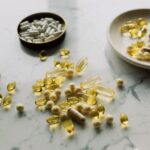
However, many people do not eat fish that often. In that case, a vitamin D supplement is the most reliable way to meet the RDA. Most multivitamins contain 400 to 600 IU. Independent vitamin D supplements are available in 500, 1,000, or 2,000 IU doses. Because vitamin D is fat‑soluble, taking it with a meal containing fat improves absorption.
Sunlight remains the primary natural source for most people, but food and supplements are safe alternatives when sun exposure is limited. No food source provides enough vitamin D to replace sunlight entirely on its own unless you eat unusually large amounts of fatty fish or cod liver oil daily.
Frequently Asked Questions
What is the best food source of vitamin D?
Fatty fish like salmon, mackerel, and sardines provide the most vitamin D per serving. Cod liver oil is even more concentrated, with over 1,000 IU per tablespoon.
How much vitamin D is in a glass of milk?
One cup of fortified cow’s milk typically contains about 100 IU. Plant milks and fortified orange juice are similar, but always check the label for exact amounts.
Can mushrooms give you vitamin D?
Only if they have been exposed to ultraviolet light. Most store‑bought mushrooms are grown in the dark and contain virtually no vitamin D unless the package says “UV‑treated.”
Do you need a vitamin D supplement?
Many people benefit from one, especially if they get little sun, have darker skin, or follow a diet low in fatty fish. A blood test can tell you your level. Most adults need at least 600 IU daily from all sources combined.
