
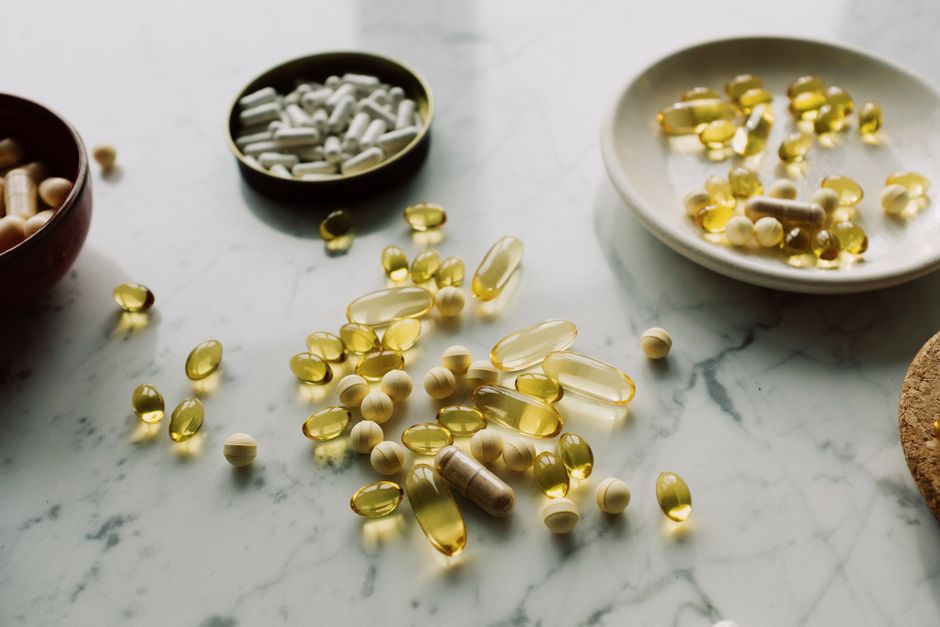
Vitamin D3 is the form of vitamin D your skin makes from sunlight, and it is also the type found in most animal-based foods. Food sources are limited, which is why deficiency is common, but several foods do contain meaningful amounts of D3. Fatty fish, fish liver oils, egg yolks, and certain animal products are the primary natural dietary sources, and many dairy products, plant milks, and cereals are fortified with D3 as well.
Why Vitamin D3 Matters
Vitamin D3 is a fat-soluble vitamin that your body uses to absorb calcium and phosphorus. These minerals keep your bones and teeth strong. Without enough vitamin D3, your bones can become thin and weak over time.
Vitamin D3 also supports muscle function and your immune system. Some research suggests it plays a role in mood regulation and heart health, but the strongest evidence remains tied to bone health and calcium balance.
Your body can make vitamin D3 when your skin is exposed to ultraviolet B (UVB) sunlight. But many people do not get enough sun exposure, especially during winter months, at higher latitudes, or when they use sunscreen consistently. That is why dietary intake matters.
What Foods Contain Vitamin D3
The foods with the highest natural amounts of vitamin D3 are fatty fish and fish liver oils. These are the most reliable dietary sources by a significant margin.
- Salmon — wild-caught salmon contains more vitamin D3 than farmed salmon. A standard serving provides a substantial portion of your daily needs.
- Trout — similar to salmon, trout is a rich source of D3.
- Sardines — canned sardines contain good amounts of vitamin D3, along with calcium from the bones.
- Herring — fresh or pickled herring is another strong source.
- Cod liver oil — this is the most concentrated dietary source of vitamin D3, but it also contains high levels of vitamin A, so it should be taken in moderation.
- Canned tuna — light tuna contains less D3 than fatty fish like salmon, but it still contributes to intake.
Egg yolks provide a smaller amount of vitamin D3. The amount depends on the hen’s diet and sun exposure. Pasture-raised hens that spend time outdoors tend to produce eggs with more vitamin D3 than hens raised indoors.
Beef liver contains small amounts of vitamin D3. Mushrooms are different — they contain vitamin D2, not D3, unless they have been exposed to UV light, which some commercial growers do to increase vitamin D content.
Fortified Foods with Vitamin D3
Because natural food sources are limited, many countries allow or require fortification of certain foods with vitamin D. Fortified foods do not always contain D3 specifically — some use D2 — so check the label if the type matters to you.
Commonly fortified foods include:
- Cow’s milk — most commercial milk in the United States is fortified with vitamin D3.
- Plant milks — soy, almond, and oat milks are often fortified with vitamin D2 or D3.
- Breakfast cereals — many cereals are fortified with vitamin D, though the amount varies by brand.
- Orange juice — some brands fortify their juice with vitamin D3.
- Yogurt and cheese — some dairy products are fortified, but not all. Check labels.
- Tofu — some brands of tofu are fortified with vitamin D3.
Fortification amounts vary widely between brands and products. The only way to know how much vitamin D3 a fortified food contains is to read the nutrition label.



How Much Vitamin D3 Do You Need
The recommended daily intake for vitamin D varies by age. For most adults up to age 70, the recommended dietary allowance is 600 international units (IU) per day. Adults over 70 need 800 IU per day.
These recommendations assume you are getting minimal sun exposure. If you spend significant time outdoors without sunscreen, your skin produces vitamin D3, and your dietary needs may be lower. But this is difficult to quantify for any individual.
Many health organizations suggest that higher intakes — between 800 and 2,000 IU per day — may be beneficial for certain populations, including older adults, people with darker skin, and those with limited sun exposure. These are general ranges, not strict recommendations for everyone.
Blood tests can measure your vitamin D levels. A level below 20 nanograms per milliliter (ng/mL) is generally considered deficient. Levels between 20 and 30 ng/mL are often considered insufficient. Most experts agree that 30 ng/mL or higher is adequate for bone health, though some organizations recommend higher targets.
Can You Get Enough Vitamin D3 from Food Alone
For most people, getting all your vitamin D3 from food alone is difficult. A single serving of salmon provides roughly 400-600 IU, which covers most of the daily recommendation. But eating fatty fish every day is not realistic for most people.
Egg yolks provide only about 40 IU each. A glass of fortified milk provides about 100-120 IU. You would need to eat a very specific diet every single day to consistently meet your needs through food.
This is why vitamin D deficiency is so common. According to national survey data, a large percentage of American adults have vitamin D levels below the threshold considered adequate.
If you are concerned about your vitamin D status, ask your doctor for a blood test. If your levels are low, your doctor may recommend a supplement. Vitamin D3 supplements are widely available and generally well-tolerated, but you should not start high-dose supplementation without medical guidance.
Vitamin D2 vs. Vitamin D3
Vitamin D comes in two main forms. Vitamin D3 (cholecalciferol) comes from animal sources. Vitamin D2 (ergocalciferol) comes from plants, specifically from yeast and mushrooms exposed to UV light.
Both forms can raise blood levels of vitamin D. However, research suggests vitamin D3 is more effective at maintaining adequate levels over time. Some studies have found that D3 raises blood levels more efficiently than D2, especially at higher doses.
Most supplements contain D3 because of this advantage. If you are vegan or vegetarian, look for D3 supplements derived from lichen, which is a plant-based source of D3. Most commercial D3 comes from lanolin, which is derived from sheep’s wool.
Who Is at Risk for Vitamin D3 Deficiency
Certain groups of people are more likely to have low vitamin D levels. Knowing whether you fall into one of these categories can help you decide whether to focus on increasing your dietary intake.
- Older adults — skin becomes less efficient at producing vitamin D3 with age.
- People with darker skin — higher melanin levels reduce the skin’s ability to produce vitamin D3 from sunlight.
- People who live far from the equator — less intense UVB sunlight, especially in winter.
- People who stay indoors most of the day — limited sun exposure.
- People with certain medical conditions — Crohn’s disease, celiac disease, and other conditions that affect fat absorption can reduce vitamin D absorption.
- People with obesity — body fat can sequester vitamin D, making it less available in the bloodstream.
If you fall into any of these groups, dietary sources of vitamin D3 become more important. But even then, food alone may not be enough. A blood test is the most reliable way to know your status.
Frequently Asked Questions
What food has the most vitamin D3?
Cod liver oil has the highest concentration of vitamin D3 of any food. A single tablespoon provides several times the daily recommended intake, so it should be consumed in small amounts.
Is vitamin D3 only found in animal products?
Most natural sources of vitamin D3 are animal-based, including fish, eggs, and liver. However, some plant milks and cereals are fortified with D3, and vegan D3 supplements are made from lichen.
Can you get enough vitamin D3 from sunlight instead of food?
Yes, your skin produces vitamin D3 from UVB sunlight, and this is how most people get their primary supply. But sun exposure is inconsistent, and factors like season, latitude, skin tone, and sunscreen use all affect how much you produce.
Do mushrooms contain vitamin D3?
Most mushrooms contain vitamin D2, not D3. Some mushrooms treated with UV light can produce vitamin D2 in significant amounts, but this is still not the same as vitamin D3 found in animal foods.
