
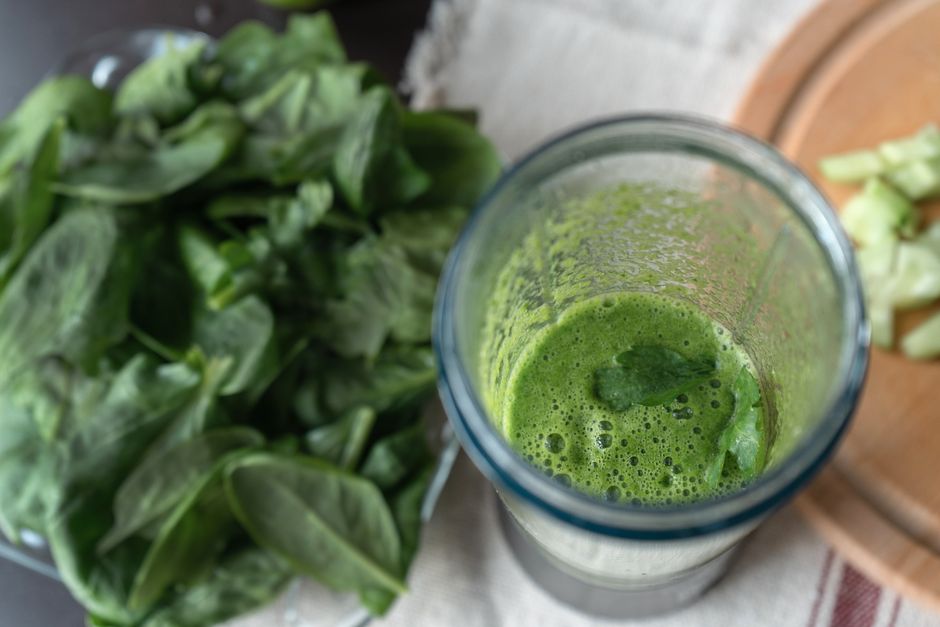
Vitamin K is a fat-soluble vitamin that your body needs for blood clotting and bone health. Leafy green vegetables are the best sources, with a single cup of cooked kale or spinach providing several times the daily recommended amount. Other good sources include broccoli, Brussels sprouts, cabbage, and green beans, though their vitamin K content varies widely.
What Vegetables Have Vitamin K And How Much?
The amount of vitamin K in vegetables ranges from a few micrograms to over 1,000 micrograms per serving. The daily adequate intake for adults is 120 micrograms for men and 90 micrograms for women. One cup of cooked kale contains around 1,062 micrograms, which is nearly nine times the daily need for a man.
Not all green vegetables are equal. The darker the leaf, the more vitamin K it generally contains. This matters because your body absorbs vitamin K best when it is eaten with some fat, such as olive oil, butter, or avocado.
| Vegetable (cooked, 1 cup) | Approximate Vitamin K (mcg) |
|---|---|
| Kale | 1,062 |
| Spinach | 889 |
| Collard greens | 836 |
| Swiss chard | 573 |
| Broccoli | 220 |
| Brussels sprouts | 218 |
| Cabbage | 163 |
| Green beans | 60 |
| Peas | 41 |
| Celery | 35 |
These numbers come from USDA food composition data. Raw vegetables contain less vitamin K per cup than cooked ones because cooking removes water and concentrates the nutrients. For example, one cup of raw spinach has about 145 micrograms, while one cup of cooked spinach has 889 micrograms.
Why Vitamin K Matters for Your Health
Vitamin K has two main jobs in the body. The first is blood clotting. Without vitamin K, your liver cannot produce several proteins that stop bleeding after an injury. This is why newborns receive a vitamin K injection at birth — they are born with very low stores.
The second job is bone health. Vitamin K helps activate osteocalcin, a protein that binds calcium to bone tissue. Some research suggests that adequate vitamin K intake is linked to stronger bones and a lower risk of fractures, though the evidence for supplements is less clear than for dietary intake.
There are two forms of vitamin K. Vitamin K1, called phylloquinone, comes from plants and is the main form in vegetables. Vitamin K2, called menaquinone, comes from animal foods and fermented products like natto. Your body uses both, but K1 is the form you get from vegetables.
How Much Vitamin K Do You Need Each Day
The adequate intake for vitamin K is 120 micrograms per day for adult men and 90 micrograms for adult women. These levels are considered sufficient to maintain normal blood clotting for most people.
One serving of most dark leafy greens easily meets or exceeds this. A half-cup of cooked spinach gives you about 445 micrograms. A half-cup of cooked broccoli gives you about 110 micrograms, which covers a woman’s daily need entirely.
Most Americans get enough vitamin K from their diet without trying. The larger concern is not deficiency but consistency, especially for people taking blood-thinning medication.




Vitamin K and Blood Thinners: What You Need to Know
Warfarin, sold under the brand name Coumadin, works by blocking vitamin K from being reused in the body. If you take warfarin, your vitamin K intake needs to stay consistent from day to day.
This does not mean you should avoid vitamin K vegetables. It means you should not suddenly eat three cups of kale one day and none the next. The key is keeping your intake steady so your doctor can set the right dose of medication.
If you take warfarin, talk to your doctor before making major changes to your vegetable intake. Do not stop eating leafy greens unless your doctor tells you to. The goal is consistency, not avoidance.
Newer blood thinners like apixaban and rivaroxaban do not interact with vitamin K the same way, but you should still discuss your diet with your doctor.
Do You Need a Vitamin K Supplement
Most healthy people do not need a vitamin K supplement. A varied diet with vegetables provides enough for normal blood clotting and bone health.
Certain groups may be at higher risk of low vitamin K. These include people with conditions that impair fat absorption, such as celiac disease, Crohn’s disease, or cystic fibrosis. People who have had gastric bypass surgery may also absorb less vitamin K.
If you fall into one of these groups, ask your doctor about testing your vitamin K status. Supplementation should be guided by a healthcare provider, especially because high doses can interfere with blood thinners.
The evidence for vitamin K supplements preventing fractures or heart disease is not strong enough to recommend them for general use. Some studies suggest benefits, but results are mixed. Dietary intake from vegetables remains the most reliable approach.
How to Cook Vegetables to Preserve Vitamin K
Vitamin K is fat-soluble and relatively stable to heat. Boiling, steaming, and roasting do not destroy it. The bigger loss comes from the water you discard.
Boiling vegetables in large amounts of water and pouring that water down the drain removes some vitamin K. Steaming or roasting keeps more of the nutrient in the food. Sautéing in a small amount of oil has the added benefit of helping your body absorb the vitamin K.
Frozen vegetables are a fine option. Freezing does not significantly reduce vitamin K content. Canned vegetables tend to have less because of the high-heat processing and added water, but they still contribute to your intake.
Eating vegetables with a source of fat improves absorption. A spinach salad with olive oil dressing delivers more usable vitamin K than the same salad with fat-free dressing. This is not about adding large amounts of fat — a teaspoon of oil is enough.
Frequently Asked Questions
Which vegetable has the most vitamin K?
Cooked kale has the most, with about 1,062 micrograms per cup. Cooked spinach and collard greens are close behind.
Can you eat too much vitamin K from vegetables?
No toxic level has been established for vitamin K from food. Eating large amounts of leafy greens is not known to cause harm in healthy people.
Do you need to eat vitamin K vegetables with fat?
Yes, vitamin K is fat-soluble, meaning your body absorbs it better when eaten with some fat. A small amount of oil or a meal containing fat is enough.
Is it safe to eat vitamin K vegetables while taking blood thinners?
Yes, but you need to keep your intake consistent from day to day. Sudden large changes in vitamin K intake can affect how your medication works, so talk to your doctor.
