
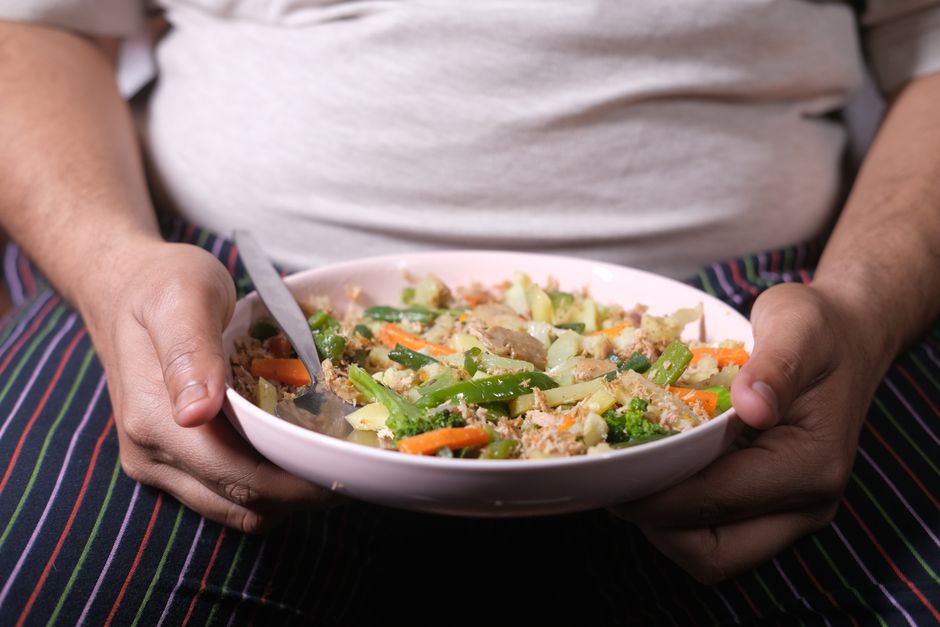
A colonoscopy is over, and your doctor has told you that everything looks good. Now the practical question: what can you actually eat when you get home? The short answer is that you can start with gentle, low-residue foods and slowly add more variety as your digestive system wakes up. Most people do best with clear liquids first, then soft foods like eggs, white toast, and yogurt, before moving back to a normal diet over the next day or two. Your colon needs time to recover from the procedure and from the powerful laxatives used to clean it out.
What Happens To Your Digestive System During A Colonoscopy
Your colon gets inflated with air so the doctor can see the walls clearly. That air stays in your system for a while after the procedure. It is the main reason you may feel bloated, crampy, or gassy for the first few hours.
The laxative prep also strips your colon of fluid and the normal bacteria that aid digestion. Your gut needs time to rebuild that balance. Eating heavy, fibrous, or spicy foods right away can irritate the lining and cause discomfort.
Most people feel ready to eat within a few hours. The anesthesia used for the procedure can also slow your digestion temporarily. Starting with light foods gives your body a smoother transition.
What Foods Can You Safely Eat After A Colonoscopy
Start with the gentlest options and build up. The goal is to avoid irritating your colon while still getting some nutrition.
Good first foods after a colonoscopy include:
- Clear broths like chicken, beef, or vegetable
- Plain crackers or white toast
- Applesauce
- Gelatin or plain popsicles
- White rice or plain pasta
- Scrambled eggs
- Plain yogurt without seeds or fruit chunks
- Mashed potatoes without the skin
- Well-cooked vegetables like carrots or green beans
- Bananas
- White fish or skinless chicken
These foods are low in fiber and easy to digest. They do not leave much residue in the colon, which is exactly what your gut needs right now.
Eat small portions at first. A full meal can feel heavy and cause cramping. Split your normal portions in half and see how your body responds.
Foods To Avoid In The First 24 To 48 Hours
High-fiber foods are the main thing to avoid. Whole grains, raw vegetables, nuts, seeds, and legumes are hard to digest and can cause gas and bloating.
Foods that commonly cause discomfort after a colonoscopy include:
- Whole wheat bread, brown rice, and oats
- Raw vegetables and salads
- Popcorn and nuts
- Beans, lentils, and chickpeas
- Spicy foods like curries or hot sauces
- Fried or greasy foods
- Dairy products if you are lactose sensitive
- Carbonated drinks
- Alcohol
Dairy is tricky. Some people tolerate yogurt and milk fine after a colonoscopy. Others feel bloated because the colon is still adjusting. If you are not sure, start with a small amount and wait an hour to see how you feel.
Alcohol is best avoided for at least 24 hours. Your body is still clearing the sedative medication, and alcohol can dehydrate you further.
How Long Before You Can Eat Normally Again
Most people can return to a normal diet within 24 to 48 hours. The key is to reintroduce foods gradually rather than jumping straight back to your usual eating pattern.
A typical timeline looks like this:
- First few hours: Clear liquids like broth, water, and juice without pulp
- Day one: Soft, low-fiber foods like eggs, toast, yogurt, and mashed potatoes
- Day two: Add cooked vegetables, lean proteins, and white rice or pasta
- Day three: Most people feel ready for their regular diet
If you had polyps removed during the procedure, your doctor may give you specific dietary instructions. Follow those exactly. Polypectomy sites need time to heal, and your doctor may recommend a low-residue diet for a few extra days.
Listen to your body. If something causes cramping, gas, or discomfort, wait longer before trying it again. Your digestive system will tell you what it is ready for.
What To Drink After A Colonoscopy
Hydration is the most important part of recovery. The laxative prep dehydrates you significantly, and you need to replace those fluids.
Water is the best choice. Aim to drink more than you normally would for the first day. Clear fluids like broth, sports drinks, and diluted fruit juice also help restore your electrolyte balance.
Skip carbonated drinks for the first day. The bubbles add extra gas to a system that is already dealing with trapped air from the procedure. That can make bloating worse.
Caffeine is usually fine in moderation. Coffee or tea may stimulate your bowels, which is not necessarily a bad thing. Just keep it to one cup and see how you feel.
Signs You Should Call Your Doctor
Most people recover without any issues. But complications can happen, and you need to know the warning signs.
Call your doctor if you experience any of the following:
- Severe abdominal pain that does not ease
- Fever above 100.4°F
- Heavy rectal bleeding or blood in large amounts
- Persistent vomiting
- Inability to pass gas or have a bowel movement within 48 hours
- Dizziness or fainting
A small amount of blood in your first bowel movement can be normal if you had a biopsy or polyp removal. But if bleeding continues or increases, contact your doctor right away.
These symptoms are rare. Most people feel back to normal within a day or two and have no issues at all.
Tips For A Smoother Recovery
Gentle movement helps. A short walk around your house can help release trapped gas and get your bowels moving again. Do not do anything strenuous for the first 24 hours.
Take it easy on your stomach. Small meals spread throughout the day are easier to digest than three large ones. Chew your food thoroughly to reduce the work your digestive system has to do.
Probiotics may help restore your gut bacteria after the prep. Some research suggests that fermented foods like yogurt, kefir, or sauerkraut can support the recovery of your gut microbiome. The evidence here is not conclusive, but these foods are generally safe and well-tolerated.
Your first bowel movement after a colonoscopy can be a surprise. It may be loose, watery, or contain some mucus. That is normal. Your colon is still clearing out the prep solution and re-establishing its normal function.
Frequently Asked Questions
Can I eat pizza after a colonoscopy?
Wait at least 24 to 48 hours before eating pizza. The cheese, grease, and refined flour can be heavy on a recovering digestive system.
Is it safe to eat salad after a colonoscopy?
Raw vegetables are hard to digest right after a colonoscopy and can cause gas and cramping. Wait two to three days before eating salads.
How long does bloating last after a colonoscopy?
Bloating from the air used during the procedure usually resolves within 24 hours. Walking and passing gas can help speed this up.
Can I drink coffee after a colonoscopy?
One cup of coffee is usually fine. Caffeine can stimulate your bowels, so start with a small amount and see how your body responds.
The most important thing after a colonoscopy is to be patient with your body. Start with gentle foods, drink plenty of water, and give your digestive system a day or two to recover. If you follow the low-residue approach for the first 48 hours, you will likely feel comfortable and back to normal quickly. Your doctor will give you specific instructions if you need to do anything different based on your results.
