
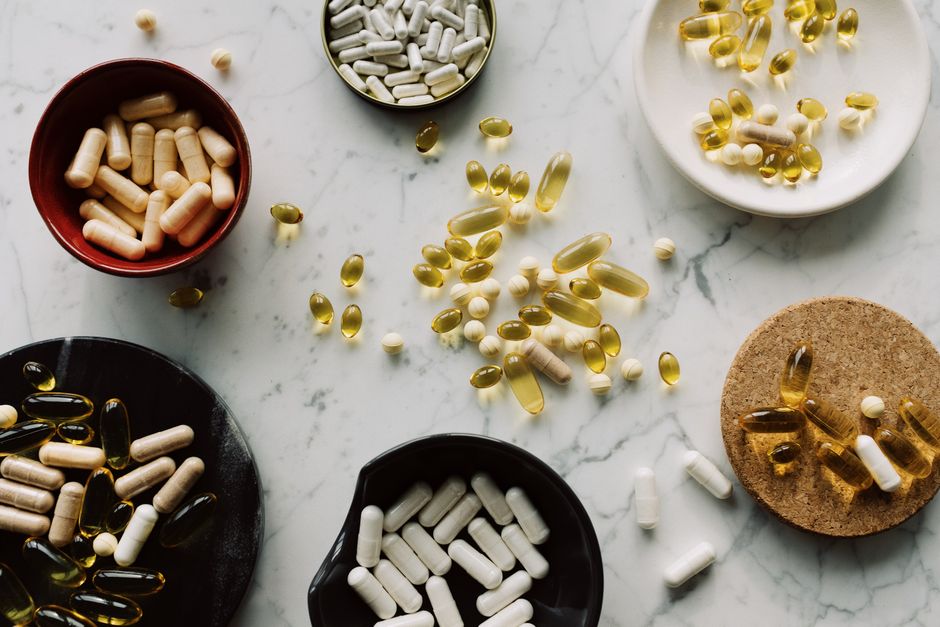
Most doctors recommend stopping probiotics 3 to 7 days before a colonoscopy. The bacteria in probiotic supplements can look like tiny particles on the colon wall during the procedure. This can make it harder for your doctor to see polyps or other issues. The short answer is no — you should not take probiotics right before a colonoscopy.
Why Do Doctors Recommend Stopping Probiotics Before a Colonoscopy?
A colonoscopy requires a completely clean colon. Your doctor needs to see the entire lining of your large intestine without anything blocking the view. Any small particle can hide a polyp or early sign of cancer.
Probiotic supplements contain live bacteria. Even after you take the bowel prep laxatives, some bacteria may remain in your colon. These bacteria clump together and form tiny specks. The American Gastroenterological Association notes that these specks can look like polyps or other abnormal tissue.
Your doctor would then need to guess whether the speck is a harmless bacterium or something worth biopsying. This wastes time and can lead to unnecessary worry or missed findings.
What Does Research Say About Probiotics and Bowel Prep Quality?
Research published in the journal Gastroenterology found that probiotics did not improve bowel prep quality in most people. The study compared patients who took probiotics before their colonoscopy with those who did not. The group taking probiotics had no better colon cleanliness scores.
Some smaller studies suggest probiotics might help reduce bloating during the prep phase. But these studies used very specific strains and doses that are not available in standard supplements. The evidence is not strong enough to recommend probiotics for this purpose.
The bottom line is clear: probiotics do not help your bowel prep work better. And they carry a small risk of interfering with the view. Most gastroenterologists advise skipping them.
Can I Take Probiotics Before a Colonoscopy If I Have IBS or Other Gut Issues?
If you take probiotics daily for irritable bowel syndrome, ulcerative colitis, or another condition, talk to your doctor. Some people rely on probiotics to manage symptoms. Your doctor may allow a shorter pause — perhaps just 3 days instead of 7.
For most people with IBS, stopping probiotics for one week will not cause a major flare-up. Your gut bacteria levels will shift temporarily but usually return to baseline within a few days after you restart. Studies in Alimentary Pharmacology & Therapeutics show that a one-week break does not erase the long-term benefits of consistent probiotic use.
If you have Crohn’s disease or active colitis, your doctor may have specific instructions. Always follow their guidance over general advice. The risk of a poor prep is higher in people with inflammatory bowel disease, so the stakes are different.

How Long Before a Colonoscopy Should You Stop Probiotics?
Most gastroenterologists recommend stopping probiotics 5 to 7 days before your procedure. Some say 3 days is enough. The exact timing depends on your doctor’s preference and your individual health history.
Here is a general timeline doctors commonly suggest:
- 7 days before: Stop all probiotic supplements, including capsules, powders, and gummies.
- 5 days before: Stop fermented probiotic foods like yogurt, kefir, kombucha, and sauerkraut if you eat large amounts.
- 3 days before: At minimum, stop all probiotic supplements. Some doctors allow fermented foods up to this point.
The table below compares common recommendations from major medical groups:
| Source | Recommended Stop Time | Notes |
|---|---|---|
| American Society for Gastrointestinal Endoscopy | 7 days | Includes all supplements and probiotic foods |
| Mayo Clinic guidelines | 5 to 7 days | Allows fermented foods up to 3 days before |
| Individual gastroenterologists | 3 to 5 days | Varies by patient history and prep type |
If you forget and take a probiotic 2 days before your colonoscopy, do not panic. Tell your doctor during the check-in. They may note it and look more carefully during the procedure. One dose is unlikely to cause a problem, but it is still best to follow the recommended timeline.
What About Probiotic Foods Like Yogurt and Kombucha Before a Colonoscopy?
Probiotic foods are less concentrated than supplements but still contain live bacteria. A single serving of yogurt has billions of bacteria. Kombucha and kefir have similar counts. These can also leave residue in your colon.
Most doctors say you can eat yogurt up to 3 days before your procedure. But after that, you need to switch to a clear liquid diet. This diet includes broth, clear juices, gelatin, and water. No yogurt, kefir, kombucha, or other fermented foods are allowed during the clear liquid phase.
The bowel prep solution itself will flush out most bacteria. But some may cling to the colon wall. The risk is small with foods eaten 4 or more days before the procedure. The risk increases the closer you get to the colonoscopy date.
Common Misconceptions About Probiotics Before a Colonoscopy
Some people believe probiotics help soften stool or reduce constipation during prep. No good evidence supports this. The bowel prep laxatives are powerful and do the job on their own. Adding probiotics does not improve their effect.
Another myth is that probiotics protect your gut microbiome from the damage caused by bowel prep. Your colon bacteria do get reduced during prep. But they repopulate naturally within a few weeks. Studies show that taking probiotics immediately after the procedure is more helpful than taking them before. The American Journal of Gastroenterology reports that post-colonoscopy probiotics may speed up the return of healthy gut bacteria.
A third misconception is that all probiotics are the same. They are not. Different strains have different effects. But no strain has been proven to improve colonoscopy prep quality. So the type does not matter when deciding whether to stop.
What to Do If You Accidentally Took Probiotics Before Your Colonoscopy
If you took a probiotic supplement within 3 days of your procedure, call your doctor’s office. Tell them what you took and when. They may decide to proceed as planned or reschedule if they are concerned about the prep quality.
Some doctors will still perform the colonoscopy and note the potential for reduced visibility. Others prefer to reschedule to ensure the best possible exam. There is no single right answer. Your doctor’s judgment based on your specific situation matters most.
Do not try to fix the problem by taking extra laxatives or doing an extra enema. This can cause dehydration or electrolyte imbalances. Stick to the prep instructions your doctor gave you.
Can You Take Probiotics After a Colonoscopy?
Yes. In fact, many doctors recommend starting probiotics the day after your procedure. Your colon has been emptied and your gut bacteria levels are low. Probiotics can help restore a healthy balance more quickly.
Research in Gut Microbes found that people who took probiotics for 2 weeks after a colonoscopy had more diverse gut bacteria than those who did not. This may reduce bloating and irregular bowel movements during the recovery period.
Wait until you are eating solid foods again before starting probiotics. Taking them on an empty stomach right after prep can cause cramping. Start with a low dose and increase gradually over a few days.
Frequently Asked Questions
Can I take probiotics the night before a colonoscopy?
No. Do not take probiotics within 3 to 7 days of your procedure. Taking them the night before can leave bacteria in your colon that blocks the view.
What happens if I take probiotics during bowel prep?
The probiotics will likely be flushed out by the laxatives. But some bacteria may remain and appear as specks on the colon wall. Tell your doctor if you took them.
Can I eat yogurt before a colonoscopy?
You can eat yogurt up to 3 days before your procedure. After that, you must follow a clear liquid diet which does not include yogurt.
Should I restart probiotics after my colonoscopy?
Yes. Starting probiotics the day after your procedure can help restore your gut bacteria. Wait until you are eating solid foods again.
