
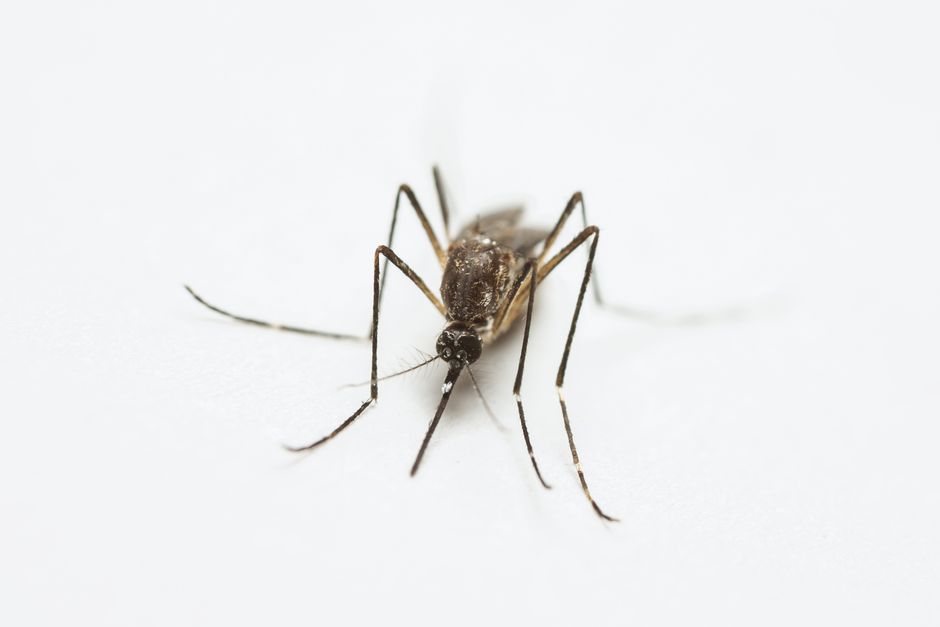
Mosquito bites are annoying, itchy, and sometimes carry disease. The best way to stop mosquito bites is to prevent them from happening in the first place. Use an EPA-registered insect repellent, wear long sleeves and pants when you are outside, and remove standing water from around your home. If you do get bitten, resist the urge to scratch and use a cold compress or an over-the-counter anti-itch cream for relief.
What Attracts Mosquitoes to Humans in the First Place?
Mosquitoes do not bite randomly. They are guided by specific signals from your body. The most powerful attractant is carbon dioxide, which you breathe out. Mosquitoes can sense CO2 from over 30 feet away. This tells them a living, breathing host is nearby.
Once they get closer, they use other cues. Body heat and sweat are big ones. Your skin also produces over 300 different chemical compounds. Some of these, like lactic acid and ammonia, are very attractive to certain mosquito species. Research published in the journal Cell found that people with higher levels of carboxylic acids on their skin are significantly more attractive to mosquitoes.
Blood type also plays a role. Studies suggest that people with Type O blood get bitten more often than those with Type A. This is a genetic factor you cannot change. But knowing these attractants helps you understand which repellents actually work.
How To Stop Mosquito Bites With Repellents That Work
The most reliable way to stop mosquito bites is to use a repellent that has been tested and approved. The CDC and the EPA recommend four active ingredients that have strong evidence behind them. These are DEET, picaridin, IR3535, and oil of lemon eucalyptus (OLE).
DEET is the most studied repellent in the world. It has been used for decades and is safe when applied as directed. Concentrations between 20% and 30% provide several hours of protection. Higher concentrations do not work better, they just last longer. Picaridin is a newer option that smells better and does not damage plastics or synthetic fabrics. Many people prefer it for daily use.
Oil of lemon eucalyptus is a plant-based option that works well, but it is not the same as pure essential oil. The CDC only recommends the synthesized version, which is labeled as OLE or PMD. Pure lemon eucalyptus essential oil has not been proven effective in the same way. IR3535 is another option found in many skin softeners and lotions in Europe, though it is less common in the US.
What About Natural and Homemade Mosquito Repellents?
There is a lot of buzz around natural mosquito repellents. The honest answer is that most of them do not work well. The CDC does not recommend wristbands, ultrasonic devices, or vitamin B1 supplements. None of these have clinical evidence showing they prevent bites.
Citronella candles and torches provide some effect, but it is very weak. A study in the Journal of the American Mosquito Control Association found that citronella candles reduced bites by only about 42% in a controlled setting. That sounds decent, but in real-world conditions with wind and movement, the protection drops significantly. You are better off using a topical repellent.
Essential oils like lavender, peppermint, and tea tree oil have some mosquito-repelling properties in lab tests. But they evaporate quickly and need to be reapplied very often. They also have not been tested for safety in the same rigorous way as EPA-registered ingredients. If you have sensitive skin or are pregnant, stick with the proven options.



How To Stop Mosquito Bites Around Your Home and Yard
You can control mosquitoes without spraying chemicals all over your yard. The most effective step is to remove standing water. Mosquitoes lay eggs in still water, and a single bottle cap of water can support hundreds of larvae. Check your gutters, bird baths, flower pots, and any containers that collect rain. Empty them at least once a week.
For areas where water cannot be removed, like rain barrels, use larvicide tablets. These contain a bacteria called Bacillus thuringiensis israelensis (Bti). It kills mosquito larvae without harming other insects, pets, or people. The EPA considers it safe for use in vegetable gardens and around children.
Professional yard spraying is a common service, but it has downsides. Broad-spectrum insecticides kill bees, butterflies, and other beneficial insects. The evidence that they significantly reduce mosquito populations for more than a few days is weak. A better approach is to focus on source reduction and use a fan on your patio. Mosquitoes are weak fliers. A strong breeze from a box fan makes it very hard for them to land on you.
| Active Ingredient | Protection Time | Best For |
|---|---|---|
| DEET (20-30%) | 4-8 hours | Heavy exposure, hiking, camping |
| Picaridin (20%) | 6-8 hours | Daily use, sensitive skin, no plastic damage |
| Oil of Lemon Eucalyptus (OLE) | 2-6 hours | Natural preference, not for children under 3 |
| IR3535 (20%) | 2-4 hours | Less common in US, good for sunscreen combo |
What To Do When You Still Get Bitten
Even with the best prevention, bites happen. The itch is caused by your immune system reacting to mosquito saliva. Scratching makes it worse because it damages the skin and releases more histamine, which makes the itch stronger. It becomes a cycle that is hard to break.
For immediate relief, apply a cold pack or an ice cube directly to the bite for 10 minutes. This numbs the area and reduces swelling. Over-the-counter hydrocortisone cream works well for mild reactions. Calamine lotion is another option that dries out the bite and soothes the skin.
Oral antihistamines like cetirizine (Zyrtec) or loratadine (Claritin) can help if you have multiple bites or a strong reaction. They work from the inside to calm the immune response. For severe swelling or if the bite area feels hot and red, see a doctor. That could be a sign of a secondary bacterial infection from scratching.
Some people report that heat pens or devices that apply concentrated heat to the bite provide relief. The evidence for these is mixed. A small study found they helped some people, but others felt no difference. They are not harmful, so you can try one if you want, but a cold compress is cheaper and just as effective for most people.
Common Misconceptions About Mosquito Bites
- Eating garlic or taking vitamin B1 repels mosquitoes. There is no clinical evidence supporting this. Multiple controlled studies have found no difference in bite rates between people who take these and those who do not.
- Mosquitoes only bite at dawn and dusk. Some species, like the Aedes mosquito that carries dengue and Zika, bite during the day. You need protection all day long in areas where these mosquitoes are active.
- Bug zappers kill mosquitoes. Research shows that bug zappers mostly kill harmless insects like moths and beetles. Less than 1% of the insects they kill are biting mosquitoes. They are not an effective control method.
- Dryer sheets or fabric softener sheets repel mosquitoes. This is a popular internet myth. There is no scientific evidence that dryer sheets prevent bites. Do not rely on them.
What To Avoid When Trying To Stop Mosquito Bites
Avoid products that claim to be “natural” but do not list an EPA-registered active ingredient. Many essential oil blends sold as mosquito repellents have not been tested for efficacy. You might pay more for something that provides no real protection.
Do not use sunscreen and repellent combined in one product. Sunscreen needs to be reapplied every two hours, but repellent should not be reapplied that often. The combination product makes it easy to overapply repellent or underapply sunscreen. Use separate products instead. Apply sunscreen first, then repellent on top.
Avoid spraying repellent directly on your face. Spray it on your hands first, then carefully rub it on your face. This keeps it out of your eyes and mouth. Also avoid using repellent on cuts, wounds, or irritated skin. Stick to the exposed skin areas only.
For children, do not use oil of lemon eucalyptus on kids under three years old. The CDC advises against it due to potential skin and eye irritation. For babies under two months, do not use any repellent. Use mosquito netting over the stroller or carrier instead.
Frequently Asked Questions
Does eating bananas attract mosquitoes?
No, there is no evidence that eating bananas makes you more attractive to mosquitoes. This is a persistent myth with no scientific backing.
Can mosquito bites make you sick?
Yes, mosquitoes can transmit diseases like West Nile virus, dengue, and Zika. The risk depends on where you live and travel. Use repellent in areas where these diseases are present.
How long does a mosquito bite last?
Most mosquito bites stop itching within three to four days. The redness and swelling usually fade within a week. Scratching can prolong healing and increase the risk of infection.
What is the best thing to put on a mosquito bite?
A cold compress and over-the-counter hydrocortisone cream are the most effective first-line treatments. Oral antihistamines help if you have multiple bites or a strong reaction.
