
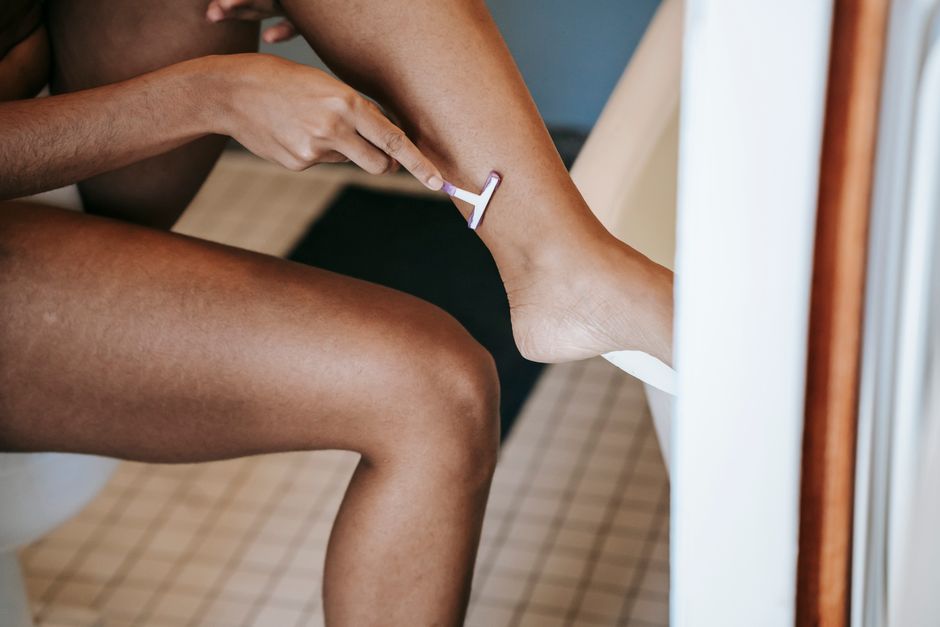
Razor burn on your pubic area is a common and uncomfortable skin reaction caused by shaving. It shows up as red bumps, itching, or a burning sensation. You can get rid of it by stopping shaving for a few days, applying a cool compress, and using a gentle moisturizer without fragrance. For faster relief, over-the-counter hydrocortisone cream (1%) can reduce redness and swelling, but do not use it for more than a few days. The key is to calm the irritation first and then change your shaving routine to prevent it from coming back.
What Exactly Causes Razor Burn on the Pubic Area?
Razor burn is not an infection. It is a form of skin irritation. When you shave, the razor blade scrapes off the top layer of skin along with the hair. This exposes sensitive skin underneath. The pubic area is especially prone because the skin there is thinner and more sensitive than on your legs or face.
Several factors make razor burn worse. Shaving against the direction of hair growth is a major cause. Using a dull blade also forces you to press harder, which increases friction. Shaving dry skin without any lubricant is another common mistake. The hair in the pubic area is coarser and curlier than scalp hair. When it grows back, it can curl into the skin instead of out. This causes ingrown hairs, which look very similar to razor burn but require different treatment.
Research published in the Journal of the American Academy of Dermatology notes that shaving-related skin irritation is more common in areas with curved hair follicles. The pubic area fits this description perfectly. Understanding this helps explain why standard shaving advice for legs does not always work down there.
How To Get Rid Of Razor Burn On Pubic Area in 24 Hours
The first 24 hours are about calming the skin down. Stop shaving immediately. Give your skin a break for at least three to five days. The hair needs to grow out a bit so the irritated follicles can recover.
Apply a cold compress to the area for 10 to 15 minutes every few hours. This constricts blood vessels and reduces redness and swelling. Do not rub the area with a towel afterward. Pat it dry gently or let it air dry. Then apply a thin layer of an over-the-counter hydrocortisone cream (1%). The American Academy of Family Physicians recommends this for short-term relief of inflammatory skin reactions.
Avoid products with alcohol, fragrance, or menthol. These sting and can make irritation worse. Stick to plain, fragrance-free moisturizers like white petrolatum or a simple aloe vera gel with no added ingredients. If the burning sensation is strong, a cool bath with colloidal oatmeal can help. Look for products labeled for eczema or sensitive skin.
What Does Research Say About Treating Razor Burn?
Research on razor burn specifically is limited. Most dermatology studies focus on pseudofolliculitis barbae, which is the medical term for razor bumps caused by ingrown hairs. This condition is very similar to razor burn and shares the same root cause: shaving.
A study in the journal Dermatology and Therapy found that proper shaving technique reduced skin irritation by over 50% in participants. The key factors were using a sharp single-blade razor, shaving in the direction of hair growth, and not stretching the skin tight. Another finding was that applying a warm wet towel to the area for two minutes before shaving softened the hair and reduced the force needed to cut it.
Evidence also supports the use of chemical exfoliants like salicylic acid or glycolic acid for preventing ingrown hairs. These ingredients help keep dead skin cells from blocking hair follicles. However, do not use these on active razor burn. They will sting and worsen irritation. Wait until the redness and bumps have fully healed, which usually takes three to five days.





What Shaving Mistakes Make Razor Burn Worse?
Many people make the same mistakes and wonder why the problem keeps coming back. Using a multi-blade razor is one of the biggest. Multi-blade razors lift the hair up and cut it below the skin surface. When the hair grows back, it is more likely to get trapped under the skin. A single-blade razor or an electric trimmer is a better choice for the pubic area.
Shaving too often is another mistake. The skin in this area needs time to recover between shaves. Waiting at least two to three days between shaves gives the skin a chance to repair its barrier. Shaving every day is almost guaranteed to cause irritation.
Here are the most common shaving mistakes to avoid:
- Shaving against the grain (the direction of hair growth)
- Using a dull or old razor blade
- Shaving without shaving cream or gel
- Stretching the skin tight while shaving
- Applying pressure instead of letting the blade glide
- Shaving over the same spot multiple times
If you notice pus-filled bumps or the area feels hot and swollen, you may have a bacterial infection. This is not typical razor burn. See a doctor if you suspect infection.
How to Prevent Razor Burn From Coming Back
Prevention starts before you even pick up a razor. Trim the hair first with scissors or an electric trimmer set to a guard. This reduces the length so the razor does not have to work as hard. Shave after a warm shower when the hair and skin are soft. Use a fragrance-free shaving cream or gel designed for sensitive skin.
Shave in the direction of hair growth. This is the most important step. It will not give you the closest shave, but it will dramatically reduce irritation. Rinse the blade after every stroke. A clean blade cuts better and drags less. After shaving, rinse with cool water to close the pores. Apply a fragrance-free moisturizer immediately.
Consider alternatives to shaving if razor burn is a chronic problem. Electric trimmers do not cut the hair as close, which reduces the chance of irritation. Depilatory creams dissolve hair at the skin surface but can cause chemical burns if left on too long. Always do a patch test on your inner arm 24 hours before using one on your pubic area.
| Method | Irritation Risk | How Long Results Last | Best For |
|---|---|---|---|
| Razor shaving | High | 1-3 days | People with low sensitivity |
| Electric trimmer | Low | 1-3 days | People prone to razor burn |
| Depilatory cream | Moderate | 3-7 days | People without sensitive skin |
| Waxing | Moderate | 2-4 weeks | People who can tolerate pulling |
| Laser hair removal | Low | Permanent reduction | People with dark hair and light skin |
When Should You See a Doctor for Razor Burn?
Most razor burn resolves on its own within a few days. You do not need a doctor for typical redness and bumps. However, some symptoms warrant a medical visit. If the area becomes increasingly red, warm to the touch, or starts oozing yellow or green pus, you may have a bacterial infection called folliculitis. This requires prescription antibiotic cream or oral antibiotics.
Another sign to watch for is persistent dark spots or scars. Post-inflammatory hyperpigmentation is common in people with darker skin tones. It usually fades over months but can be treated with prescription creams if it does not. A dermatologist can also help if you have severe ingrown hairs that keep coming back. They may prescribe a topical retinoid like tretinoin, which helps prevent hair follicles from getting clogged.
Some people confuse razor burn with herpes or other sexually transmitted infections. Herpes sores are typically painful blisters that crust over. Razor burn is usually itchy and appears as small red bumps without blisters. If you are unsure, see a healthcare provider for a proper diagnosis. It is always better to ask than to assume.
Frequently Asked Questions
Can I use toothpaste on razor burn?
No. Toothpaste contains ingredients like baking soda and menthol that can further irritate sensitive skin. Stick to hydrocortisone cream or plain aloe vera instead.
How long does razor burn on the pubic area last?
Mild razor burn usually clears up in two to five days. Severe cases with ingrown hairs can take one to two weeks to fully heal.
Is it safe to shave over razor burn?
No. Shaving over irritated skin will make it worse. Wait until all redness and bumps are completely gone before shaving again.
Does coconut oil help razor burn?
Some people report relief from coconut oil because it moisturizes the skin. However, it can clog pores and make ingrown hairs worse for some people. A fragrance-free moisturizer is a safer choice.
