
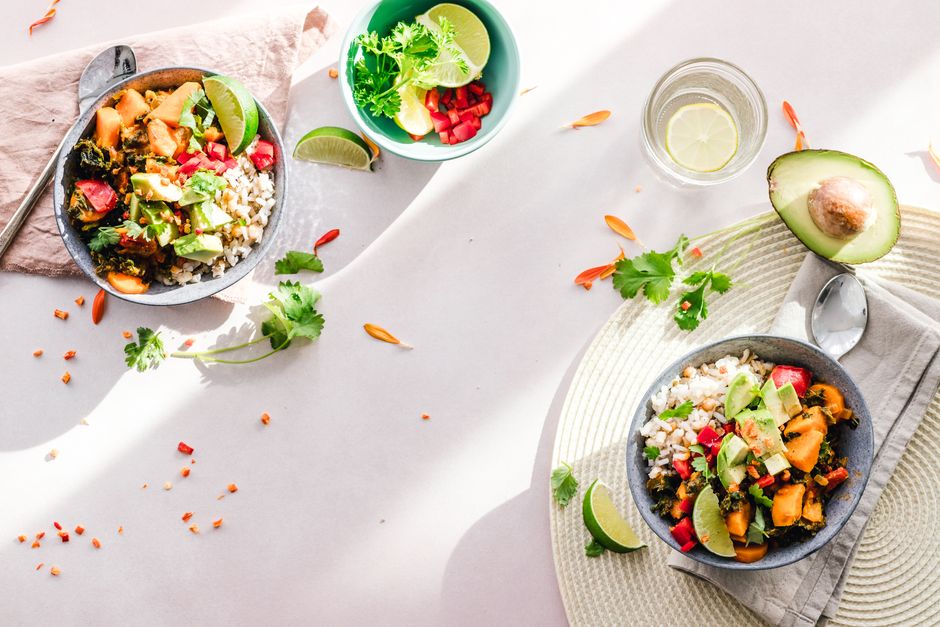
If you are starting a keto diet, the short answer is this: eat meat, fish, eggs, cheese, healthy oils, nuts, seeds, and low-carb vegetables. Avoid sugar, grains, fruit, beans, and starchy vegetables. The whole diet is built around keeping your carbohydrate intake very low — usually under 50 grams per day — so your body switches from burning sugar to burning fat for energy. That state is called ketosis, and the foods you choose are what make it possible.
What Exactly Is a Keto Diet and Why Do Food Choices Matter?
A keto diet is a very low-carb, high-fat way of eating. The goal is to get most of your daily calories from fat, a moderate amount from protein, and very few from carbohydrates. When you restrict carbs enough, your liver starts making ketones from fat. These ketones become your body’s main fuel source instead of glucose.
Food choices matter because even a small carb mistake can kick you out of ketosis. For most people, staying under 20 to 50 grams of net carbs per day is the threshold. Net carbs are total carbs minus fiber. So a food that is high in fiber but low in sugar can still fit. A food that is low in fiber but high in starch will not.
The American Diabetes Association has noted that very low-carb diets can help with blood sugar control. But the diet is restrictive. You need to know which foods are safe and which are not. This is not a diet where you can guess.
What Foods Are Keto: The Complete List of What You Can Eat
Here is the practical list. These are the foods that fit a standard keto diet with no special adjustments.
Meat and poultry. Beef, chicken, pork, lamb, turkey, bacon, and ham. All are carb-free. Processed meats like sausage and deli meat are fine as long as they do not have added sugar or fillers. Read labels.
Fish and seafood. Salmon, trout, tuna, mackerel, sardines, shrimp, and crab. Most fish have zero carbs. Shellfish like oysters and mussels have a few carbs, so eat them in moderation.
Eggs. Whole eggs are nearly perfect for keto. They are high in fat and protein with less than one gram of carbs per egg. Eat the yolk. That is where the nutrients are.
Dairy. Full-fat cheese, butter, heavy cream, and cream cheese are all very low in carbs. Greek yogurt and cottage cheese have some carbs from lactose, so measure them. Avoid milk because it has too much sugar.
Oils and fats. Olive oil, coconut oil, avocado oil, butter, and ghee. These are pure fat and have zero carbs. Avoid vegetable oils high in omega-6 like soybean and corn oil.
Nuts and seeds. Almonds, walnuts, macadamia nuts, pecans, chia seeds, flaxseeds, and pumpkin seeds. These are low in net carbs but high in calories. Eat by the handful, not the bag.
Low-carb vegetables. Leafy greens like spinach, kale, and arugula. Cruciferous vegetables like broccoli, cauliflower, and Brussels sprouts. Zucchini, bell peppers, asparagus, and cucumbers. These are high in fiber and low in starch. They should fill most of your plate by volume.
Avocados. They are high in healthy fat and low in carbs. Half an avocado has about 2 grams of net carbs.
Berries. In small amounts. Strawberries, raspberries, and blackberries have fewer carbs than other fruits. Blueberries are higher. A quarter cup is a reasonable serving.
Beverages. Water, black coffee, unsweetened tea, and bone broth. Some people use sugar-free electrolyte drinks. Avoid soda, juice, and sweetened coffee drinks.
What Foods Are Absolutely Not Keto
Some foods are obvious. Some are not. Here is what to avoid completely or almost completely.
Sugar and sweets. Soda, candy, cake, cookies, ice cream, syrup, honey, and agave. These are pure sugar and will stop ketosis quickly.
Grains and starches. Bread, pasta, rice, oatmeal, cereal, tortillas, and crackers. Even whole grains are too high in carbs. A single slice of bread has about 15 grams of carbs. That can be your whole day on keto.
Fruit. Most fruit is too high in sugar. Bananas, apples, oranges, grapes, and mangoes are out. Dried fruit is even worse because the sugar is concentrated. Berries are the only exception, and even then in small amounts.
Beans and legumes. Black beans, kidney beans, chickpeas, lentils, and peanuts. They are high in carbs and moderate in protein. They do not fit a standard keto diet.
Starchy vegetables. Potatoes, sweet potatoes, corn, peas, and carrots. These are high in starch and will raise blood sugar. A medium potato has about 37 grams of carbs.
Low-fat and diet products. Low-fat yogurt, low-fat milk, and diet dressings often have added sugar to replace the fat. They are not helpful for keto. Stick with full-fat versions.
Alcohol. Beer and sweet cocktails are high in carbs. Dry wine and spirits are lower but still affect ketosis. Alcohol is processed by the liver first, which pauses fat burning.




Does What Foods Are Keto Actually Work for Weight Loss?
Research published in the New England Journal of Medicine and other peer-reviewed journals has found that very low-carb diets can lead to more weight loss in the first 6 to 12 months compared to low-fat diets. The reason is not magic. When you cut carbs, your body loses water weight quickly in the first week. Then you tend to eat fewer calories because fat and protein are more filling than carbs.
Some studies suggest that keto may also reduce appetite through changes in hunger hormones like ghrelin. That makes it easier to eat less without feeling hungry. But the long-term data is mixed. After one year, the weight loss difference between keto and other diets often disappears. People struggle to stay on such a restrictive diet.
The CDC reports that about half of US adults try to lose weight each year. Many try low-carb approaches. The key question is not whether keto works for weight loss in a lab study. It is whether you can stick with it for months or years. For some people, the answer is yes. For many, it is not.
What Are the Side Effects and Risks of a Keto Diet?
The most common side effect in the first week is called the keto flu. You may feel tired, headache, brain fog, nausea, or irritability. This happens as your body adjusts from burning sugar to burning fat. It usually lasts a few days to a week. Staying hydrated and getting enough salt, potassium, and magnesium can help.
Long-term risks are less clear but worth knowing. A keto diet can raise LDL cholesterol in some people. The American Heart Association has expressed concern about high intake of saturated fat from foods like butter and bacon. If you have heart disease risk factors, talk to your doctor before starting.
Kidney stones are another concern. High animal protein intake can make urine more acidic and increase calcium excretion. One study in the Journal of the American Society of Nephrology found that very low-carb diets were linked to a higher risk of kidney stones. Drink plenty of water.
Constipation is common because you are eating less fiber from grains and fruit. The solution is to eat plenty of low-carb vegetables and drink enough water. Some people use psyllium husk supplements.
| Food Category | Keto-Friendly Options | Not Keto-Friendly |
|---|---|---|
| Vegetables | Spinach, broccoli, cauliflower, zucchini | Potatoes, corn, peas, carrots |
| Fruit | Berries (small amounts) | Bananas, apples, oranges, grapes |
| Proteins | Meat, fish, eggs, poultry | Beans, lentils, breaded meats |
| Dairy | Cheese, heavy cream, butter | Milk, low-fat yogurt, sweetened yogurt |
| Grains | None | Bread, pasta, rice, cereal |
| Fats | Olive oil, avocado oil, coconut oil | Vegetable oils, margarine |
Common Misconceptions About What Foods Are Keto
One of the biggest myths is that you can eat unlimited fat and protein as long as you avoid carbs. That is not true. Calories still matter for weight loss. If you eat 3,000 calories of cheese and bacon every day, you will not lose weight. Keto makes it easier to eat fewer calories because you feel full, but it is not a free pass.
Another myth is that all vegetables are healthy on keto. They are not. Starchy vegetables like potatoes and corn are packed with carbs. A single cup of corn has about 30 grams of carbs. That is more than most people’s entire daily limit. Stick with leafy greens and above-ground vegetables.
Some people think that keto means eating mostly fat and almost no protein. That is wrong. You need moderate protein to maintain muscle and prevent your body from breaking down its own tissue. Too little protein can cause muscle loss. Too much protein can be converted into glucose through a process called gluconeogenesis, which may slow ketosis. The sweet spot is usually 15 to 20 percent of calories from protein.
Finally, many people believe that keto is dangerous because of the high fat content. For most healthy people, a well-formulated keto diet that emphasizes unsaturated fats from olive oil, avocado, and nuts is likely safe in the short term. But it is not for everyone. People with type 1 diabetes, pancreatitis, or a history of eating disorders should not do this diet without medical supervision.
Frequently Asked Questions
Can I eat cheese on a keto diet?
Yes, most full-fat cheeses are very low in carbs and fit well on keto. Avoid processed cheese spreads that often have added carbohydrates.
Are bananas allowed on keto?
No, bananas are too high in sugar and carbs to fit a standard keto diet. A medium banana has about 24 grams of net carbs.
Can I drink milk on keto?
Regular milk has about 12 grams of carbs per cup from lactose, so it is not keto-friendly. Unsweetened almond milk or coconut milk are better options.
How many carbs can I eat per day on keto?
Most people stay under 20 to 50 grams of net carbs per day to maintain ketosis. Your exact limit depends on your body and activity level.
