
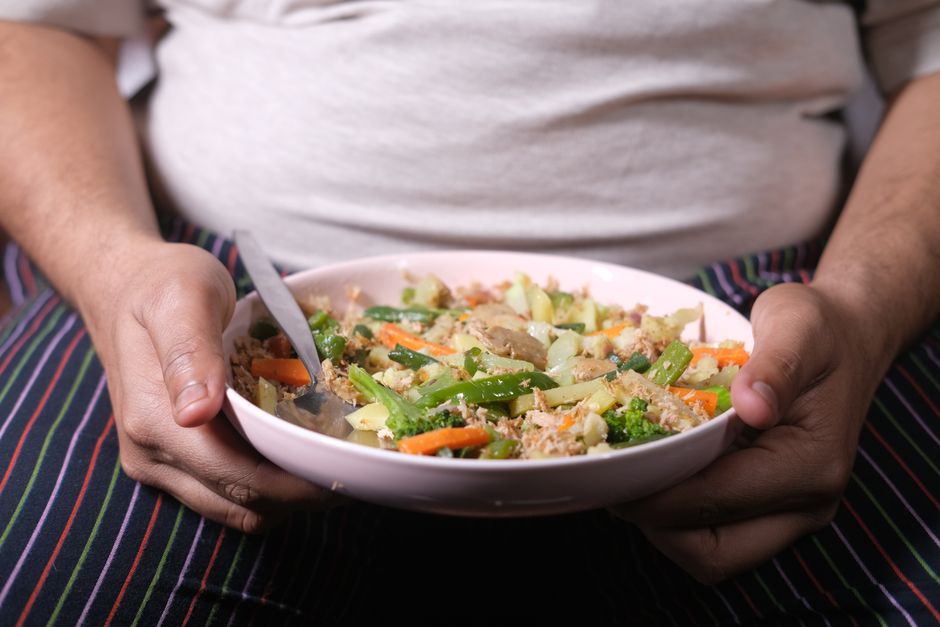
The Okinawa diet is a traditional way of eating from the islands of Okinawa, Japan, where residents have historically had some of the longest lifespans in the world. This diet is not a strict meal plan but a pattern of eating centered on vegetables, soy, and moderate portions of fish, with very little meat, dairy, or processed food. It is a key part of the “Blue Zone” concept, which identifies regions where people live significantly longer than average, and researchers believe the diet contributes to lower rates of heart disease, cancer, and dementia.
What Is The Okinawa Diet Tradition Foods And Longevity?
The traditional Okinawa diet is roughly 80% plant-based. The foundation is the sweet potato, which makes up a large portion of daily calories. Other staples include bitter melon (goya), seaweed, tofu, and a variety of green and yellow vegetables. Fish appears a few times per week, and pork is eaten but only on special occasions and in small amounts. This is very different from the standard Western diet, which is heavy on meat, dairy, and refined grains.
What makes this diet stand out is not just what people eat, but how much. The cultural practice of hara hachi bu means eating until you are 80% full. This natural calorie restriction, combined with nutrient-dense foods, is a strong candidate for why Okinawans have historically had low rates of chronic disease. Research published in the Journal of the American College of Nutrition found that Okinawans had 40% lower rates of death from heart disease compared to Americans.
What Are the Key Foods in the Traditional Okinawa Diet?
The core foods are simple and locally grown. Here is a breakdown of what actually makes up the diet, based on historical surveys of Okinawan elders.
- Sweet potatoes: The primary source of carbohydrates. They are rich in fiber, vitamin A, and antioxidants.
- Bitter melon (goya): A green vegetable known for its bitter taste. It contains compounds that may help regulate blood sugar.
- Seaweed: Used in soups and salads. It provides iodine, calcium, and other minerals.
- Soy products: Tofu and miso are common. They provide protein without the saturated fat found in meat.
- Fish: Eaten a few times a week. It supplies omega-3 fatty acids, which support heart and brain health.
- Green tea: Consumed throughout the day. It contains catechins, which are linked to lower inflammation.
These foods are very low in calories per gram. That means you can eat a large volume of food without consuming many calories. This is a key difference from the Western diet, where calorie-dense processed foods are common.
How Does the Okinawa Diet Compare to Other Blue Zone Diets?
The Okinawa diet shares many features with other Blue Zone diets, such as those in Sardinia, Italy, and Ikaria, Greece. All of them are plant-heavy, with meat used as a garnish rather than a main dish. However, there are distinct differences.
| Feature | Okinawa Diet | Sardinian Diet | Ikarian Diet |
|---|---|---|---|
| Main starch | Sweet potato | Whole wheat bread and pasta | Potatoes and legumes |
| Protein source | Soy and fish | Goat milk cheese and beans | Fish and beans |
| Fat source | Minimal added fats | Olive oil | Olive oil |
| Dairy | Very rare | Moderate (goat cheese) | Low |
| Alcohol | Rare (awamori occasionally) | Moderate red wine | Moderate herbal teas and wine |
The most striking difference is the near absence of dairy in the Okinawa diet. This is unusual among long-lived populations. It suggests that dairy is not a requirement for longevity, despite what marketing often claims. The Okinawa diet also relies heavily on the sweet potato, which is a more nutrient-dense carbohydrate source than refined grains.





What Does the Research Say About the Okinawa Diet and Longevity?
Most of the evidence comes from observational studies, not controlled clinical trials. The landmark study is the Okinawa Centenarian Study, which began in 1975 and tracked thousands of elderly residents. The researchers found that Okinawans had a 20-30% lower risk of death from all causes compared to the average Japanese person, and a much lower risk compared to Americans.
The researchers also noted that Okinawans had lower body mass indexes and lower rates of hormone-related cancers, such as breast and prostate cancer. The diet’s high antioxidant content, particularly from sweet potatoes and green vegetables, likely plays a role. However, it is important to note that the traditional diet has changed. Since the 1950s, Okinawa has adopted more Western foods, and longevity rates have declined. This is indirect evidence that the diet, rather than genetics alone, is responsible for the health benefits.
Some studies suggest that the calorie restriction from hara hachi bu activates cellular repair processes, similar to what happens during intermittent fasting. This is a plausible mechanism, but it has not been proven in human trials specific to the Okinawa diet. The evidence is strong enough to say the diet is healthy, but not strong enough to claim it is a guaranteed path to living to 100.
Can You Follow the Okinawa Diet Outside of Japan?
Yes, but with some practical adjustments. The traditional diet relies on foods that are not common in most Western grocery stores. Bitter melon is seasonal and can be hard to find. Seaweed is available dried but unfamiliar to many cooks. The good news is that you do not need exotic ingredients to follow the principles.
Focus on the pattern, not the exact foods. Replace white rice and bread with sweet potatoes. Eat vegetables at every meal. Use tofu or fish as your main protein source. Cook with minimal oil. Practice eating until you are 80% full. You can easily adapt this by using local vegetables and swapping out processed snacks for whole foods. The key is to keep the diet 80% plant-based and low in added sugars and saturated fats.
A common mistake is to add the healthy foods on top of your current diet. Do not do that. The Okinawa diet is a replacement diet. You are swapping out high-calorie, low-nutrient foods for high-volume, low-calorie foods. If you just add sweet potatoes to a diet that still includes fast food, you will not see the same benefits.
What Are the Common Misconceptions About the Okinawa Diet?
The biggest myth is that the Okinawa diet is a low-carb diet. It is not. Sweet potatoes are high in carbohydrates. The difference is that these are complex carbohydrates with fiber, not refined sugars. Another misconception is that the diet is vegetarian. It is not strictly vegetarian. Fish and occasional pork are part of the tradition, but in very small amounts.
Some people also believe that the diet is about eating less. That is partially true, but it is more accurate to say it is about eating differently. You can eat a large volume of food on the Okinawa diet because the foods are low in calorie density. The feeling of fullness comes from the volume, not from fat or sugar. This is a sustainable way to eat, not a restrictive crash diet.
Finally, do not assume that the Okinawa diet alone explains longevity. The Okinawan lifestyle also includes strong social connections, regular physical activity through gardening and walking, and a sense of purpose. The diet is one piece of a larger picture. Ignoring the other factors and only changing your food will not replicate the full effect.
Frequently Asked Questions
Is the Okinawa diet expensive to follow?
It can be affordable if you focus on staple foods like sweet potatoes, cabbage, and tofu. Imported seaweed and bitter melon may cost more.
Can I lose weight on the Okinawa diet?
Many people lose weight because the diet is naturally low in calories and high in fiber, which promotes fullness. Weight loss is not guaranteed without portion control.
Do I need to cut out all meat?
No. The traditional diet includes fish a few times per week and pork on special occasions. The focus is on making meat a small part of the meal, not the main event.
Is the Okinawa diet safe for people with diabetes?
The diet is high in complex carbohydrates from sweet potatoes, which have a lower glycemic index than white potatoes. However, anyone with diabetes should monitor their blood sugar response and consult a doctor.
