
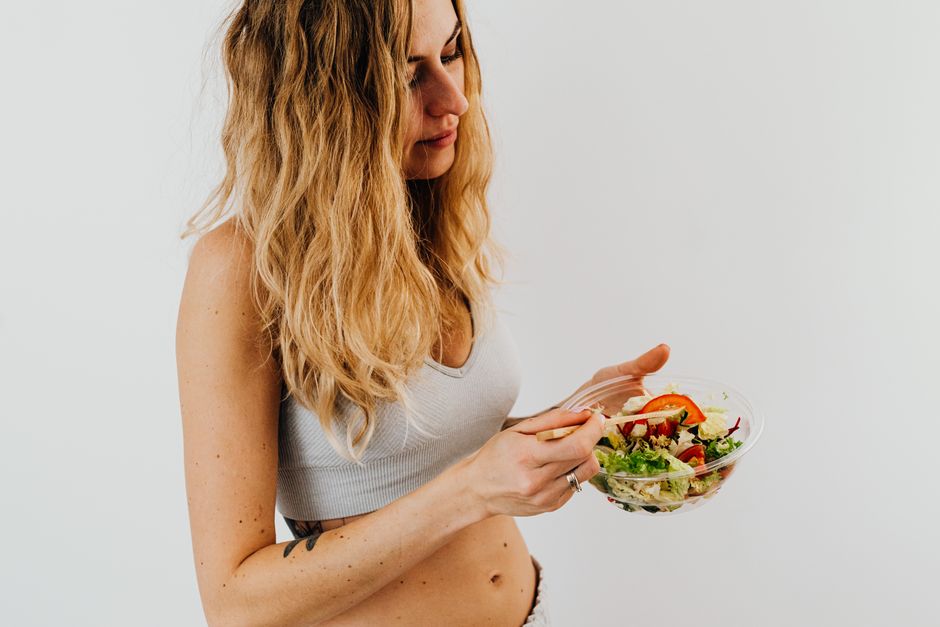
Hair is one of the most metabolically active tissues in the body. A hair follicle divides cells faster than almost any other structure, which means it is sensitive to what you eat. Foods rich in protein, iron, zinc, biotin, and vitamins A, C, and D support normal hair growth. The strongest evidence points to protein and iron as the nutrients most likely to matter in everyday diets.
That said, no single food grows hair on its own. Hair growth depends on genetics, hormones, age, and overall health. Nutrition is one input among several. When a deficiency exists, correcting it can help. When it does not, adding more of a nutrient usually changes nothing.
What Foods Are Good For Your Hair Growth?
The most reliable answer is foods that supply the raw materials hair follicles actually use. Hair is roughly 90 percent protein by dry weight, mostly a protein called keratin. Follicles also need iron to support the rapid cell division that builds each strand, and zinc for tissue repair and oil gland function.
Foods that consistently show up in the research include:
- Eggs — complete protein plus biotin and zinc
- Fatty fish such as salmon — protein, omega-3 fats, vitamin D
- Lean meat and poultry — heme iron, which the body absorbs efficiently
- Lentils and beans — plant protein, iron, zinc, biotin
- Spinach and leafy greens — iron, folate, vitamin C
- Nuts and seeds, especially pumpkin seeds — zinc and iron
- Sweet potatoes and carrots — beta-carotene, which the body converts to vitamin A
- Berries and citrus — vitamin C, which helps iron absorption
- Fortified cereals and whole grains — B vitamins including biotin
- Dairy and fortified plant milks — vitamin D and calcium
This is not a list of magic foods. It is a list of foods that carry nutrients the follicle needs. If your diet already contains most of them, adding more will not accelerate growth.
How Does Nutrition Actually Affect Hair Growth?
Hair grows in cycles. Each follicle alternates between a growing phase, a transition phase, and a resting phase before the strand sheds and the cycle restarts. The growing phase lasts years for scalp hair. During that phase, the follicle is one of the fastest-dividing cell populations in the body.
Fast division demands steady energy and nutrients. When the body faces a shortage — from poor intake, illness, or blood loss — it prioritizes organs like the heart and brain. Hair is not essential for survival, so the follicle is one of the first structures to be downgraded. This is why nutritional deficiencies often show up as hair shedding or slowed growth months before other symptoms appear.
The lag matters. Hair grows roughly half an inch per month on average, though this varies widely between people. A dietary change today will not show in visible length for months, because the strand being formed now takes time to emerge from the scalp.
One clarification worth knowing: the follicle is buried in the scalp and draws nutrients from the bloodstream, not from what sits on the surface of your head. Oils, shampoos, and topical treatments work on the shaft or the scalp surface. They cannot feed the follicle directly. Diet reaches it through circulation.
Which Nutrient Deficiencies Actually Cause Hair Loss?
Iron deficiency is the best-documented nutritional cause of hair shedding. Research has repeatedly linked low iron stores, measured as ferritin, with a type of diffuse shedding called telogen effluvium. The relationship is strongest in women of reproductive age, who lose iron through menstruation.
Protein deficiency is a well-established cause. When protein intake falls far below what the body needs, hair growth slows and strands become brittle. This is seen in severe malnutrition and in some eating disorders, not in typical diets that fall slightly short.
Zinc deficiency is associated with hair loss in the clinical literature. It is uncommon in people eating a varied diet but does occur with certain gut conditions, heavy alcohol use, and some restrictive diets.
Other nutrients with documented links include:
- Biotin — deficiency causes hair loss, but deficiency is rare in people without a specific underlying condition
- Vitamin D — low levels are associated with several forms of hair loss, though whether raising them reverses the loss is not established
- Vitamin A — both too little and too much can harm hair
- Vitamin C — supports iron absorption and collagen production
- B vitamins other than biotin — folate and B12 play roles in cell division
Here is the part most supplement marketing skips. Correcting a deficiency can restore normal growth. Taking nutrients you already have enough of does not. In people with normal levels, biotin, zinc, and vitamin D supplements have not been shown to improve hair growth in controlled trials.



Do Biotin Supplements Help Hair Grow?
Biotin supplements help only if you are biotin deficient. For everyone else, the evidence does not support a benefit.
Biotin is a B vitamin the body needs in small amounts. True deficiency is uncommon because it is present in many foods and gut bacteria produce some. It occurs mainly in people with certain inherited enzyme problems, long-term use of some anti-seizure medications, or prolonged raw egg white consumption. Raw egg whites contain a protein that binds biotin and blocks absorption.
The popularity of biotin gummies far outpaces the evidence. No large controlled trial has shown that biotin supplements grow hair in people who are not deficient. There is also a safety point worth knowing. High-dose biotin can interfere with certain laboratory tests, including thyroid and cardiac tests, producing misleading results. If you take it, tell your doctor before any blood work.
Food sources of biotin include eggs, nuts, seeds, salmon, sweet potatoes, and legumes. Getting it from food is sufficient for most people.
What About Iron and Vitamin D for Hair?
Iron is the nutrient with the clearest case. If your ferritin is low, iron can matter. If it is normal, more iron will not help and can cause harm.
Iron overload is a real risk from unsupervised supplementation. Excess iron accumulates in organs and can damage the liver and heart over time. Iron supplements should be taken only when a blood test confirms low stores and a clinician recommends them. This is not a nutrient to self-prescribe.
Vitamin D is more ambiguous. Low vitamin D is commonly found in people with several types of hair loss, including alopecia areata and telogen effluvium. But association is not the same as cause. It is not established that raising vitamin D levels reverses hair loss in people whose only abnormality is a low lab value. Some clinicians check and correct vitamin D as part of a general workup. That is reasonable practice, but it is not the same as proven hair treatment.
Vitamin D food sources are limited. Fatty fish, egg yolks, and fortified milk and plant milks are the main ones. Sunlight exposure allows the skin to make vitamin D, though production varies with skin tone, latitude, and season.
Can Diet Alone Fix Hair Loss?
Only when the hair loss is caused by a nutrient deficiency. Most hair loss is not.
The most common cause of progressive hair loss in both men and women is pattern hair loss, driven by genetics and hormones. It does not respond to diet. Other common causes include thyroid disorders, PCOS, autoimmune conditions like alopecia areata, and telogen effluvium triggered by illness, surgery, childbirth, or severe stress.
A varied diet supports normal hair growth in the same way it supports the rest of the body. It does not override genetics or treat a medical condition.
If you are losing hair, the useful first step is a medical evaluation, not a supplement. A clinician can check ferritin, thyroid function, vitamin D, and other markers, and can distinguish pattern loss from shedding. That distinction changes what will actually help.
Which Foods Should You Limit?
No single food causes hair loss in a person eating an otherwise balanced diet. The pattern of eating matters more than any one item.
Severe calorie restriction is a documented cause of hair shedding. Crash diets, very low protein intake, and eating disorders all deprive the follicle of what it needs. This is one of the most common nutritional triggers of temporary hair loss.
Very high doses of vitamin A, usually from supplements rather than food, can cause hair loss. This is another reason to avoid megadose multivitamins without a reason.
Heavy alcohol use can deplete zinc and other nutrients and is associated with poor hair health, though the effect is indirect through overall nutrition.
Beyond those, there is no evidence that sugar, gluten, or dairy cause hair loss in people without a specific sensitivity or diagnosed condition. Claims that cutting a food group regrows hair are not supported by clinical trials.
Frequently Asked Questions
What foods are good for hair growth?
Eggs, fatty fish, lean meats, lentils, spinach, nuts, seeds, and fortified whole grains are the foods most often linked to hair health. They supply protein, iron, zinc, biotin, and vitamins A, C, and D, which the hair follicle needs for normal growth.
How long does it take for diet changes to affect hair growth?
Hair grows about half an inch per month on average, so visible changes from a dietary fix typically take several months. The follicle also responds to a deficiency slowly, which is why shedding often appears weeks to months after the trigger.
Do biotin supplements actually help hair grow?
Biotin supplements help only if you are biotin deficient, which is uncommon in people eating a varied diet. No large controlled trials have shown that biotin grows hair in people who are not deficient.
Can a lack of protein cause hair loss?
Yes. Protein deficiency is a well-established cause of slowed growth and brittle hair, though it usually requires a substantial shortfall rather than a mildly low intake. Severe calorie restriction and eating disorders are the most common settings.
