
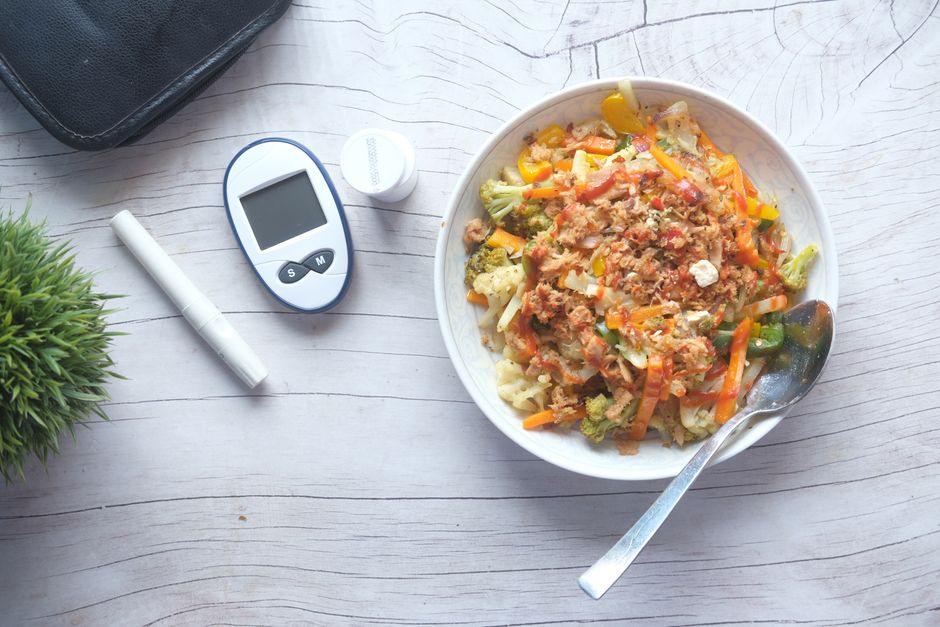
If you have diabetes, the foods that cause the most trouble are those high in refined carbohydrates and added sugars. These include sugary drinks, white bread, white rice, and many processed snacks. These foods cause rapid blood sugar spikes because your body breaks them down into glucose very quickly. Managing diabetes means knowing which foods require caution and understanding why they affect your blood sugar the way they do.
Why Do Certain Foods Spike Blood Sugar?
All carbohydrates turn into glucose, but they do so at different speeds. The speed matters a lot for people with diabetes. Your body either does not make enough insulin or cannot use it effectively. Insulin is the hormone that moves glucose out of your blood and into your cells for energy. When that process is impaired, glucose stays in your bloodstream.
Foods made with refined flour and sugar are digested rapidly. They hit your bloodstream fast, creating a sharp spike in blood glucose. Foods with more fiber, protein, and fat slow down digestion. That means glucose enters your blood gradually instead of all at once. This is why food choices matter so much for blood sugar control.
The glycemic index is one tool researchers use to measure this effect. It ranks foods by how quickly they raise blood sugar compared to pure glucose. High-glycemic foods cause fast, large spikes. Low-glycemic foods cause slower, smaller rises. But the glycemic index alone does not tell the whole story. Portion size and what you eat alongside the food also matter.
Sugary Drinks Are the Biggest Problem
Sugary beverages are the single worst category of food for people with diabetes. Regular soda, sweet tea, fruit punch, and sports drinks deliver large amounts of sugar with zero fiber or protein to slow absorption. A typical 12-ounce can of soda contains about 39 grams of sugar. That is nearly 10 teaspoons.
Liquid sugar is absorbed faster than sugar in solid food. Your liver processes fructose, and excess fructose contributes to insulin resistance over time. Studies consistently link sugary drink consumption to worse blood sugar control and higher risk of type 2 diabetes complications. Water, unsweetened tea, and sparkling water are safer choices.
Even fruit juice is problematic. Whole fruit contains fiber, which slows sugar absorption. Juicing removes that fiber. A glass of orange juice can raise blood sugar nearly as fast as a soda. If you drink juice, keep portions very small and always pair it with a protein or fat source like nuts or cheese.
Refined Grains and White Starches
White bread, white rice, white pasta, and many breakfast cereals are made from refined grains. The milling process strips away the bran and germ, removing most of the fiber and nutrients. What remains is mostly starch, which digests quickly and raises blood sugar rapidly.
Whole grains are a better choice because they retain their fiber. Brown rice, quinoa, barley, and whole wheat bread cause a slower, more modest blood sugar response. But whole grains are still carbohydrates. Portion control remains important. A cup of cooked brown rice still contains about 45 grams of carbohydrate.
Many people are surprised to learn that some “whole grain” products are not much better than white bread. Check the ingredient list. The first ingredient should say “whole wheat” or “whole grain,” not just “wheat flour” or “enriched flour.” Some commercial whole wheat breads have added sugars to improve taste, which defeats the purpose.





Processed Snacks and Packaged Foods
Cookies, crackers, chips, and most packaged baked goods combine refined flour, added sugar, and unhealthy fats. These foods are designed to be hyper-palatable, meaning they are easy to overeat. They provide calories but very little nutritional value.
Many processed snacks also contain trans fats or high amounts of saturated fat. Trans fats are particularly harmful because they worsen insulin resistance and increase cardiovascular risk. While many manufacturers have reduced trans fats, some products still contain them through partially hydrogenated oils. Check ingredient labels carefully.
Even snacks marketed as “healthy” can be problematic. Granola bars, trail mix with dried fruit, and flavored yogurt often contain surprising amounts of added sugar. A single flavored yogurt can contain 15 to 20 grams of sugar. Plain Greek yogurt with fresh berries is a better option.
What About Sweetened Breakfast Foods?
Breakfast is where many people unknowingly start their day with a blood sugar disaster. Pancakes with syrup, pastries, sweetened cereals, and flavored oatmeal are all high in refined carbohydrates and added sugar. These foods can push blood sugar very high within an hour of eating.
Even oatmeal, often considered a healthy breakfast, can be problematic. Instant oatmeal packets are heavily processed and often sweetened. Steel-cut oats or rolled oats are better because they digest more slowly. But portion size still matters. A half-cup of dry oats contains about 27 grams of carbohydrate.
Eggs, Greek yogurt, and vegetable omelets are excellent breakfast choices for blood sugar control. They provide protein and fat, which stabilize blood sugar and keep you full longer. If you want carbs at breakfast, choose small portions of whole grains and pair them with protein.
Hidden Sugars in Condiments and Sauces
Many people focus on obvious sweets but overlook hidden sugars in savory foods. Ketchup, barbecue sauce, teriyaki sauce, and many salad dressings contain significant added sugar. A single tablespoon of ketchup has about 4 grams of sugar. Barbecue sauce can have 6 to 12 grams per serving.
These hidden sugars add up quickly, especially if you use multiple condiments throughout the day. Reading nutrition labels on condiments is essential. Look for versions with no added sugar or very low sugar content. Mustard, hot sauce, vinegar, and herbs are generally safe choices.
Some salad dressings are particularly problematic because they combine sugar with unhealthy fats. A creamy dressing can add 100 calories and 5 or more grams of sugar to an otherwise healthy salad. Olive oil and vinegar is a simple, reliable alternative.
What Foods Are Bad For Diabetics To Eat?
The foods most consistently associated with poor blood sugar control are sugary drinks, refined grains, processed snacks, and foods with added sugars. These foods cause rapid glucose spikes and provide little nutritional benefit. They also contribute to weight gain, which worsens insulin resistance.
Fried foods deserve special mention. French fries, fried chicken, and other deep-fried items combine refined carbohydrates with unhealthy fats. The frying process adds calories and can create advanced glycation end products, which promote inflammation. Some research suggests these compounds contribute to diabetes complications.
This does not mean you can never eat these foods again. It means you need to be strategic. If you choose to eat a high-carb food, keep the portion small and pair it with protein, fiber, or healthy fat. This slows digestion and blunts the blood sugar spike. Check your blood sugar afterward to learn how your body responds.
Practical Strategies for Better Choices
Reading food labels is the single most important skill for managing diabetes through diet. Look at total carbohydrates, not just sugar. Many foods marketed as “sugar-free” still contain significant carbohydrates from flour, starches, or sugar alcohols. These can still raise blood sugar.
The order in which you eat your food also matters. Some research suggests that eating protein and vegetables before carbohydrates results in a smaller blood sugar spike. This is because protein and fiber slow gastric emptying, delaying the absorption of glucose from carbs.
Building your plate with a clear structure helps. Fill half your plate with non-starchy vegetables. Use a quarter for lean protein like chicken, fish, or tofu. Use the remaining quarter for carbohydrates like whole grains, beans, or fruit. This approach naturally limits portion sizes of the foods that raise blood sugar most.
Frequently Asked Questions
Can diabetics ever eat sugar?
Yes, but in small amounts and only as part of a balanced meal. Sugar is not toxic, but it raises blood sugar quickly, so portion control and pairing with protein or fat are essential.
Is brown sugar better than white sugar for diabetes?
No. Brown sugar and white sugar have nearly identical effects on blood glucose. Both are about 50 percent glucose and 50 percent fructose, and both spike blood sugar similarly.
Are artificial sweeteners safe for diabetics?
Most artificial sweeteners do not raise blood sugar directly, but research on their long-term effects is mixed. Some studies suggest they may alter gut bacteria or affect insulin sensitivity, so use them in moderation.
What is the worst food for blood sugar?
Sugary drinks are consistently the worst, because liquid sugar is absorbed faster than solid food and provides no fiber, protein, or fat to slow the spike.
