
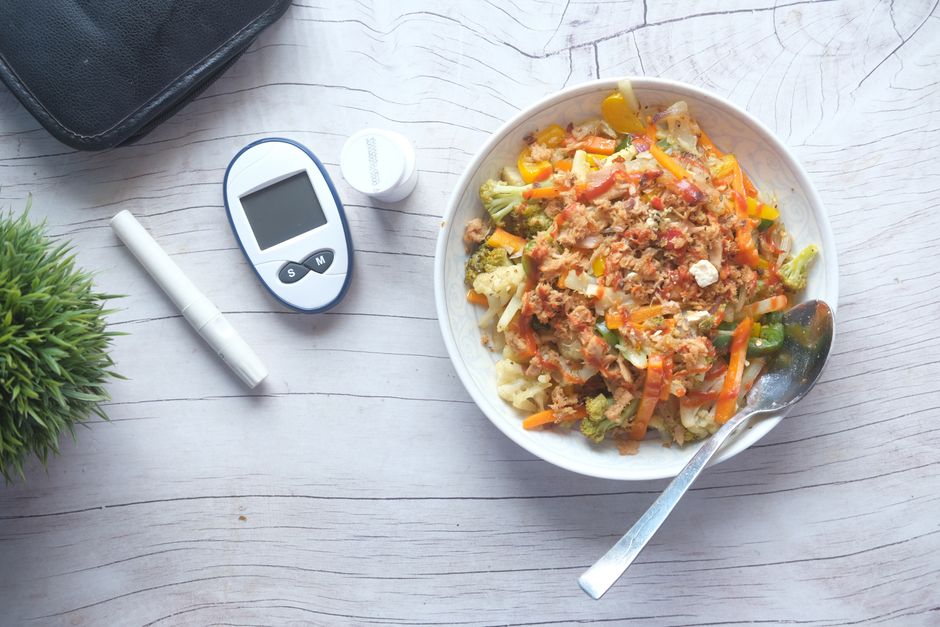
There is no single food that wins this comparison. For a person with diabetes, the better choice depends on what each food does to blood sugar, how much of it you eat, and what you eat it with. Rice, fruit, and protein are not interchangeable. They play different roles, and the right balance of all three usually matters more than picking one over the others.
If you had to rank them by how much they raise blood sugar on their own, protein has the least effect, fruit sits in the middle, and rice has the most. But that ranking alone is misleading. Fruit and rice both contain carbohydrates, and protein does not — yet protein still affects how your body handles the carbs you eat alongside it. The practical answer is that protein and fruit are generally easier to fit into a diabetes eating plan than large portions of rice, but none of them should be avoided or treated as a cure.
What Is Better For Diabetics Rice Fruit Protein More?
Protein has the smallest direct effect on blood glucose of the three. It contains little or no carbohydrate, so it does not cause the sharp rise that rice can. That does not make it a free pass. Some protein foods come packaged with saturated fat or sodium, and very large protein portions can still influence blood sugar over several hours in some people.
Fruit contains carbohydrate in the form of natural sugars, plus fiber, vitamins, and water. The fiber slows how quickly the sugar is absorbed, so whole fruit tends to raise blood sugar more gently than juice or dried fruit. This is why most diabetes guidance treats whole fruit as a reasonable part of a meal plan rather than something to cut out.
Rice is the most carbohydrate-dense of the three. A typical serving can carry a substantial carbohydrate load, and white rice in particular is digested quickly. Brown rice and other less-processed grains are digested more slowly, but they are not low-carb foods. The portion size is often the deciding factor.
So the honest ranking is this: protein is the least likely to spike blood sugar, fruit is manageable in whole form and reasonable portions, and rice needs the most attention to portion and type. That is a starting point, not a rule that applies identically to everyone.
How Does Each One Affect Blood Sugar?
Blood sugar rises when carbohydrate is broken down into glucose and absorbed into the bloodstream. The speed and size of that rise depend on the food, the amount, and what else is in the meal.
Rice is mostly starch, a carbohydrate. White rice has had its fiber-rich outer layers removed, so it digests fast and can push blood glucose up quickly. Brown rice keeps more of that fiber and takes longer to digest, which usually means a slower rise — but the total carbohydrate is still there. A large bowl of brown rice can raise blood sugar more than a small portion of white rice, because total amount often matters more than the type.
Fruit delivers sugar along with fiber, which slows absorption. A whole apple or a handful of berries behaves very differently from a glass of apple juice. The fiber and the intact cell structure of whole fruit are doing real work here. Juice strips most of that away and concentrates the sugar.
Protein barely moves blood glucose on its own. Its more interesting effect is on the meal around it. Eating protein with carbohydrate can slow digestion and blunt the peak compared with eating the carbohydrate alone. That is one reason a meal that combines protein, fat, fiber, and carbohydrate tends to produce a gentler glucose curve than the same carbohydrate eaten by itself.
Does Rice Have to Be Off the Table?
Rice does not have to be eliminated, but it is the food of the three that rewards the most attention. Two things matter most: how much and what kind.
Portion is the bigger lever. A smaller serving of rice alongside protein, vegetables, and fat will affect blood sugar less than a large serving eaten alone. This is why many diabetes eating plans focus on the plate as a whole rather than banning specific foods.
Type matters too, but less than people assume. Brown rice, wild rice, and other less-processed grains have more fiber and generally digest more slowly than white rice. That is a real difference. It is not a license to eat unlimited amounts, because the carbohydrate content is still high.
One practical point that surprises people: cooling cooked rice and reheating it can change its starch structure in a way that may slightly reduce the glucose response. The effect is real but modest, and it is not a substitute for portion control.




Is Fruit Safe for People With Diabetes?
Yes. Whole fruit is generally a reasonable part of a diabetes eating plan, and most guidance encourages it rather than restricting it. The concern is not fruit itself but the amount, the form, and the timing.
Whole fruit is the better default. Fiber and water slow the sugar, and the portion is self-limiting in a way that juice is not. Dried fruit is a different story — removing the water concentrates the sugar into a small volume, so a small handful can carry the carbohydrate of several pieces of fresh fruit.
Fruit juice is the form to be most careful with. It delivers sugar quickly with little fiber to slow it down, and it is easy to drink a large amount without feeling full. For most people with diabetes, whole fruit is the better choice.
Pairing fruit with protein or fat — like fruit with nuts or yogurt — can further soften the glucose response. This is not a rule, but it is a useful habit for many people.
How Protein Fits Into a Diabetes Eating Plan
Protein is the steadiest of the three. It does not cause sharp glucose spikes and it helps with fullness, which can make it easier to eat smaller portions of carbohydrate overall.
Not all protein is equal. Fish, poultry, eggs, beans, lentils, and unsweetened dairy are common choices. Some of these — beans and lentils in particular — also contain carbohydrate and fiber, so they affect blood sugar differently than, say, chicken or eggs. Processed meats tend to be higher in sodium and saturated fat, which matters for heart health, and heart health matters more than average in people with diabetes.
Protein is not a treatment for diabetes and does not lower blood sugar on its own. Its value is in how it shapes the meal around it — slowing digestion, supporting fullness, and helping displace some of the carbohydrate that would otherwise dominate the plate.
How Do They Compare Side by Side?
| Food | Main nutrient | Effect on blood sugar | Key consideration |
|---|---|---|---|
| Rice (white) | Starch (carbohydrate) | Raises blood sugar quickly | Portion size matters most |
| Rice (brown) | Starch + fiber | Raises blood sugar, somewhat slower | Still high in carbohydrate |
| Whole fruit | Natural sugar + fiber | Moderate, gentler rise | Form matters — whole over juice |
| Fruit juice | Concentrated sugar | Raises blood sugar quickly | Little fiber to slow it down |
| Protein | Protein, little carbohydrate | Minimal direct effect | Watch fat and sodium sources |
The table makes the pattern clear. Protein has the smallest direct effect, whole fruit is manageable with attention to form and portion, and rice — especially white rice — needs the most care. But the table also shows why the question is not really “which one wins.” Each food does something different in a meal.
What Actually Matters Most
The single biggest factor in blood sugar control is not which of these three foods you choose. It is the total amount of carbohydrate you eat, how it is spread across the day, and what it is eaten with.
A meal built around protein, vegetables, fiber, and a measured portion of carbohydrate tends to produce a gentler glucose response than a meal dominated by any one starchy food. This is why the plate approach — roughly half non-starchy vegetables, a quarter protein, a quarter carbohydrate — shows up so often in diabetes education. It is not a magic formula. It is a simple way to balance the meal.
Individual responses vary. Two people can eat the same meal and see different blood sugar curves. Monitoring your own glucose, whether with a meter or a continuous monitor, is the most reliable way to learn how your body responds to rice, fruit, and protein specifically.
And no single food choice replaces medical care. Diabetes management involves medication when prescribed, activity, sleep, stress, and overall eating patterns — not one ingredient swapped for another.
Frequently Asked Questions
Can diabetics eat rice?
Yes, but portion size and type matter. Smaller servings of rice, especially less-processed types like brown rice, and eating it with protein and vegetables will affect blood sugar less than a large serving eaten alone.
Is fruit bad for diabetics?
No. Whole fruit is generally a reasonable part of a diabetes eating plan because its fiber slows sugar absorption. Juice and dried fruit are the forms to be more careful with.
Does protein lower blood sugar?
Protein does not lower blood sugar on its own, but it has little direct effect on glucose and can slow digestion when eaten with carbohydrate. That can soften the glucose peak from a meal.
Which is better for blood sugar — rice or fruit?
Whole fruit usually raises blood sugar more gently than rice, mainly because of its fiber and water content. Rice is more carbohydrate-dense, so portion size tends to matter more with rice than with fruit.
