
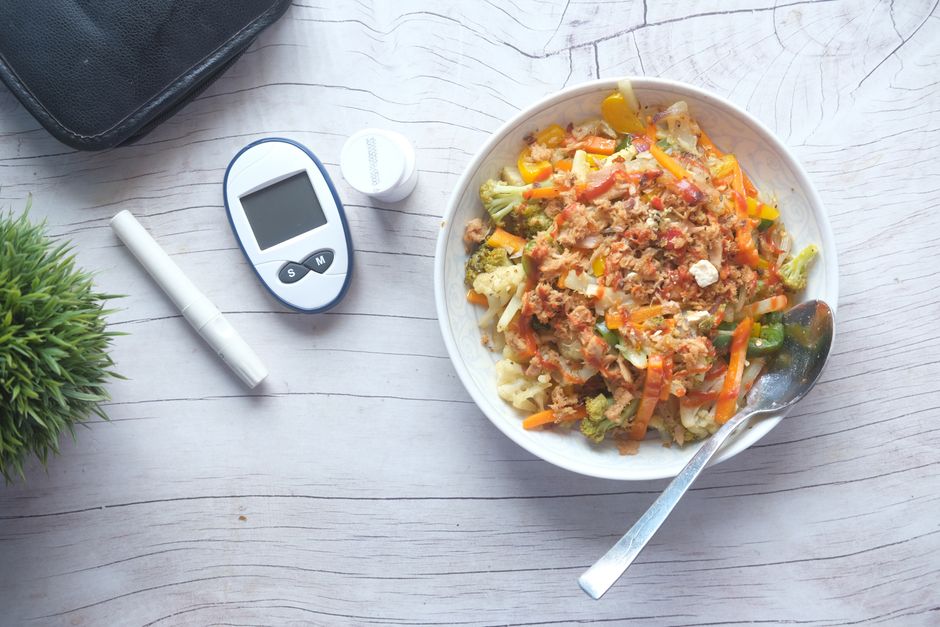
Chinese food can fit into a diabetes-friendly eating plan, but the dish you choose matters more than the cuisine itself. The core problem is not the wok or the soy sauce. It is the white rice, the sugary sauces, and the deep-fried starters that push a single meal past what your blood sugar can handle. Choose steamed proteins, vegetables, and brown rice or a smaller portion of white rice, and Chinese food becomes a workable option.
Is Chinese Food Good For Diabetics What To Order?
Chinese food is not one thing. It covers everything from plain steamed fish with greens to a plate of battered orange chicken over a mound of white rice. The first meal can fit a diabetes eating plan. The second can spike blood sugar sharply.
What makes a dish work or fail comes down to three things:
- Refined carbohydrate load. White rice and noodles digest quickly and raise blood glucose.
- Added sugar. Sweet-and-sour, teriyaki, hoisin, and orange sauces often carry a lot of it.
- Fried batter. Breading adds refined starch and absorbs oil, raising both carbohydrate and calorie content.
None of this makes Chinese food uniquely bad. A plate of pasta or a burger with fries can do the same thing. The difference is that Chinese menus offer plenty of dishes built around protein and vegetables, so there are usually good choices available if you know where to look.
Why Does White Rice Raise Blood Sugar So Fast?
White rice is mostly starch, and starch is chains of glucose. Your digestive enzymes break those chains down quickly because the bran and germ — the parts that slow digestion — have been milled away. The result is a fast rise in blood glucose after the meal.
Brown rice keeps the bran and germ. That means more fiber, a slower digestive process, and a gentler glucose curve. The difference is real but not dramatic, so portion size still matters with brown rice too.
Rice is not the only carbohydrate on a Chinese menu. Noodles, dumpling wrappers, and battered coatings are all refined starches doing roughly the same thing. If a dish arrives sitting on rice and wrapped in batter, the carbohydrate adds up fast.
One practical point that surprises people: the order you eat food in may matter a little. Some research suggests eating vegetables and protein before the starchy part of a meal can blunt the glucose rise somewhat. The effect is modest, and it does not cancel out a large portion of white rice. It is a small lever, not a fix.
Which Chinese Dishes Are Better Choices?
Dishes built on steamed protein and non-starchy vegetables tend to work best. These are usually lower in added sugar and refined starch, and higher in protein and fiber, both of which slow digestion.
Reasonable choices include:
- Steamed fish with ginger and scallion
- Steamed chicken or tofu with vegetables
- Stir-fried greens such as bok choy, Chinese broccoli, or green beans
- Egg drop soup or hot and sour soup (watch the sodium)
- Moo goo gai pan, which is chicken with mushrooms and vegetables
- Steamed dumplings rather than fried
- Beef with broccoli, if the sauce is light
Many restaurants will steam a dish instead of frying it and put the sauce on the side if you ask. That single request can change a meal substantially, because you control how much sugar-laden sauce reaches your plate.




Which Dishes Should You Limit?
The dishes that cause the most trouble share a pattern: fried, breaded, and coated in something sweet. These combine fast carbohydrate from batter with added sugar from sauce.
Dishes to treat as occasional rather than routine:
- Sweet and sour anything
- Orange, sesame, or General Tso’s chicken
- Battered and fried items such as egg rolls and fried wontons
- Lo mein and chow mein, which are noodle-based
- Fried rice
- Dishes with thick, glossy sauces, which usually signal sugar or cornstarch
Cornstarch deserves a mention because it is easy to miss. It is a refined starch used to thicken sauces, and it adds carbohydrate without adding sweetness you would notice. A dish can taste savory and still carry a meaningful starch load from the thickener alone.
How Do You Build a Diabetes-Friendly Chinese Meal?
Think in terms of what fills the plate. A useful approach is to make vegetables and protein the bulk of the meal and keep the starch to a modest portion.
In practice:
- Order one or two vegetable dishes and one protein dish to share.
- Ask for steamed rather than fried preparation.
- Request sauce on the side and add it yourself, sparingly.
- Take a small portion of rice — around half a cup cooked is a common starting point — or choose brown rice.
- Start with vegetables or soup before the rice.
- Skip the sugary iced tea and sugary cocktails; water or plain tea is the simpler choice.
Portion size does a lot of the work here. A large restaurant portion of rice can contain two or three times what a single meal calls for, so splitting rice with someone at the table or boxing half of it before you start is a practical move.
Does Brown Rice Really Make a Difference?
Brown rice has more fiber and a lower glycemic impact than white rice, and swapping it in is a reasonable step. The evidence supports brown rice as the better choice between the two.
But brown rice is still rice, and it still contains a significant amount of carbohydrate. Some people assume that because it is “healthier,” portion size no longer matters. It does. A large bowl of brown rice can raise blood glucose nearly as much as a smaller bowl of white rice.
For anyone counting carbohydrates, the total grams matter more than the color of the grain. Brown rice is a better version of the same food, not a free pass.
What About Sodium and Other Concerns?
Soy sauce, oyster sauce, and many prepared sauces are high in sodium. That matters because people with diabetes often also manage blood pressure, and high sodium intake is linked to worse blood pressure control.
Lower-sodium soy sauce and lighter sauce use help. So does asking the kitchen to go easy on salt and sauce. This is separate from blood sugar, but it is part of the same meal and worth keeping in mind.
Deep-fried dishes also carry a lot of oil, which adds calories. For anyone managing weight alongside blood sugar, that is another reason the fried items are the ones to limit rather than build a meal around.
Can You Eat Chinese Food and Still Control Blood Sugar?
Yes, and the reason is that blood sugar responds to the whole meal and to the overall pattern of eating, not to a single cuisine. One well-chosen Chinese meal will not undo your management. One poorly chosen meal will not either.
What matters is what you do most of the time. If most meals are built around vegetables, protein, and moderate portions of less-refined carbohydrate, an occasional higher-carb dish fits without much trouble.
If you use insulin or a medication that can cause low blood sugar, the carbohydrate in a restaurant meal can affect your dosing. That is a conversation to have with your own clinician, because the right approach depends on your specific medications and targets.
Checking your blood glucose before and after a meal is one of the more useful things you can do. It shows you how your body actually responded to that specific dish, which is more useful than any general rule.
Frequently Asked Questions
Is Chinese food bad for diabetics?
Chinese food is not inherently bad for diabetes, but many popular dishes are high in refined carbohydrate and added sugar. Dishes built on steamed protein and vegetables can fit a diabetes eating plan.
What should a diabetic order at a Chinese restaurant?
Steamed fish, chicken, or tofu with vegetables, plus a modest portion of rice, is a solid choice. Ask for the dish steamed and the sauce on the side.
Is brown rice better than white rice for diabetes?
Brown rice has more fiber and a lower glycemic impact, so it is the better choice between the two. Portion size still matters because both contain significant carbohydrate.
Can diabetics eat fried rice or lo mein?
They can, but both are high in refined carbohydrate and are better treated as occasional choices. Fried rice and lo mein combine starch with oil, which raises both carbohydrate and calorie content.
