

Protein is one of three macronutrients your body needs in large amounts, alongside carbohydrates and fats. Foods that have a lot of protein include meat, poultry, fish, eggs, dairy, legumes, soy products, nuts, and seeds. Animal sources tend to pack the most protein per serving, but plant foods can cover your needs too when you eat a variety across the day.
That short answer covers the basics. What follows explains how much protein different foods actually contain, how animal and plant sources compare, and where common beliefs about protein get ahead of the evidence.
How Much Protein Do Common Foods Actually Contain?
Protein content varies widely, and knowing the numbers helps you plan meals without guesswork. The values below come from USDA nutritional data for standard portions.
| Food | Portion | Protein |
|---|---|---|
| Chicken breast, cooked | 3 oz | About 26 g |
| Lean beef, cooked | 3 oz | About 22 g |
| Salmon, cooked | 3 oz | About 22 g |
| Eggs | 1 large | About 6 g |
| Greek yogurt, plain | 1 cup | About 20 g |
| Cottage cheese | 1 cup | About 24 g |
| Lentils, cooked | 1 cup | About 18 g |
| Tofu, firm | 1/2 cup | About 10 g |
| Black beans, cooked | 1 cup | About 15 g |
| Peanut butter | 2 tbsp | About 7 g |
| Almonds | 1 oz | About 6 g |
| Quinoa, cooked | 1 cup | About 8 g |
Two things stand out from this table. First, animal foods deliver more protein per ounce than most plant foods. Second, plant foods still contribute meaningful amounts, especially legumes and soy.
One clarification that gets lost in online debates: protein quantity matters, but so does protein quality. Quality refers to the mix of essential amino acids a food provides and how easily your body digests and absorbs them. Animal proteins generally score higher on both counts. That does not make plant proteins inferior for your health overall. It means the total amount and variety you eat matters more if plants are your main sources.
What Are the Best Animal Sources of Protein?
Animal foods are the most concentrated protein sources in the typical diet. A single serving of most meats, poultry, or fish can cover a large share of what most adults need in a day.
- Poultry: Chicken and turkey breast provide roughly 22 to 26 grams per 3-ounce cooked portion, with relatively little fat.
- Red meat: Beef, pork, and lamb supply similar protein amounts, though some cuts carry more saturated fat.
- Fish and seafood: Salmon, tuna, cod, and shrimp each deliver around 20 to 25 grams per 3-ounce cooked portion. Fatty fish also provide omega-3 fats.
- Eggs: One large egg has about 6 grams. The protein sits in both the white and the yolk.
- Dairy: Greek yogurt, cottage cheese, and milk range from roughly 8 grams per cup of milk to about 24 grams per cup of cottage cheese.
Processing changes the picture. Breaded chicken nuggets, deli meats, and sausage may contain protein, but they often bring added sodium, fillers, and saturated fat along with it. Whole or minimally processed versions are the more straightforward choice.
Can Plant Foods Provide Enough Protein?
Yes. Plant foods can meet protein needs when you eat enough of them and vary your choices. The main practical difference is volume. You generally need to eat more plant food to match the protein in a smaller portion of meat.
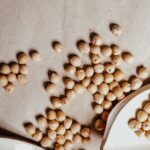
Legumes lead the plant category. Lentils, chickpeas, black beans, and pinto beans each provide roughly 15 grams per cooked cup. Soy foods are close behind. Tofu, tempeh, and edamame offer complete protein, meaning they contain all nine essential amino acids your body cannot make on its own.
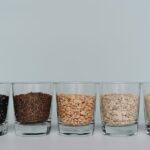
Most other plant proteins are lower in one or more essential amino acids. Grains tend to be low in lysine. Beans tend to be low in methionine. This is why pairing them works well. Rice and beans, peanut butter on whole wheat bread, and hummus with pita all combine complementary proteins.
You do not need to pair them at every meal. Your body maintains a pool of amino acids and balances them across the day. Eating a variety of plant proteins over 24 hours is enough for most healthy adults. This point is well established in nutrition science and has been for decades, though the older advice to combine proteins at every meal still circulates widely.



How Much Protein Do You Need Each Day?
The general recommendation for healthy adults is 0.8 grams of protein per kilogram of body weight per day. For someone weighing 150 pounds, that works out to about 54 grams daily.
That figure is a minimum to prevent deficiency, not necessarily an ideal target for everyone. Needs rise in certain situations:
- Older adults may need more to help preserve muscle mass with age
- People recovering from illness, injury, or surgery
- Athletes and people doing regular strength training
- People who are pregnant or breastfeeding
For pregnancy and breastfeeding, guidance exists from health authorities, but specific targets vary by trimester, body weight, and individual circumstances. A clinician is the right source for those numbers rather than a general article.
Higher-protein diets have been studied for weight management and muscle building. Results vary, and the evidence does not support one universal optimal number. More protein is not automatically better, and very high intakes offer no proven advantage for most healthy people.
Does Protein From Food Beat Protein Powder?
Whole foods and protein powders both supply protein, but they are not identical. Powders isolate or concentrate protein from whey, casein, soy, pea, or other sources. They can be convenient, especially after workouts or when appetite is low.
Whole foods come with additional nutrients that powders do not replicate. Fish brings omega-3 fats. Beans bring fiber. Dairy brings calcium. Eggs bring vitamins and choline. For most people, food first is the sensible order, with powder as a supplement rather than a replacement.
Protein powders are not tightly regulated the way medications are. Some third-party testing programs verify content and screen for contaminants, but not all products carry that testing. If you use powder, choosing a product with independent testing is a reasonable step.
No clinical evidence currently confirms that protein powder builds more muscle than an equal amount of protein from food. Total daily protein intake appears to matter more than the source for most outcomes studied.
Are High-Protein Diets Safe?
For most healthy adults, higher protein intakes within reasonable ranges have not been shown to harm kidney function. That concern traces back to advice for people who already have kidney disease, where protein restriction is often medically necessary.
If you have chronic kidney disease or another condition affecting kidney function, protein intake should be managed with your doctor. That is established clinical practice, not a general caution for everyone else.
Other considerations are more about balance than danger. Filling your diet with fatty cuts of meat or processed meats can raise saturated fat and sodium intake, which carries its own risks. Getting protein from a mix of sources tends to support better overall nutrition.
Digestive discomfort, including bloating or constipation, can occur when protein intake jumps quickly or when fiber intake drops as a side effect. Increasing protein gradually and keeping fiber and fluids steady usually helps.
Which High-Protein Foods Fit Different Eating Patterns?
Dietary patterns vary, and high-protein eating works within most of them.
- Standard diets: All animal and plant sources are available, making protein targets easy to reach.
- Vegetarian: Eggs, dairy, soy, legumes, nuts, and seeds cover needs well.
- Vegan: Soy foods, legumes, seitan, quinoa, hemp, and nuts do the work. Variety and total intake matter more here.
- Low-carb or keto: Meat, fish, eggs, and cheese dominate, with nuts and seeds filling gaps.
- Mediterranean-style: Fish, yogurt, beans, and nuts provide protein alongside plant foods.
The pattern matters less than whether you hit your daily protein target and get a range of nutrients along with it. A person can eat a poor diet built entirely around protein and still fall short on fiber, vitamins, and minerals.
Frequently Asked Questions
What food has the most protein?
Among common foods, cooked chicken breast and lean meats lead, with roughly 22 to 26 grams per 3-ounce portion. Soy products and legumes are the top plant-based options.
How much protein do I need daily?
The general recommendation for healthy adults is 0.8 grams per kilogram of body weight per day. Needs rise with age, activity level, pregnancy, and recovery from illness or injury.
Can I get enough protein without eating meat?
Yes, if you eat enough plant proteins and vary your sources across the day. Legumes, soy foods, nuts, seeds, and grains together can meet adult needs.
Is too much protein bad for your kidneys?
For healthy adults, higher protein intake has not been shown to damage kidney function. People with existing kidney disease should follow medical guidance on protein limits.
