
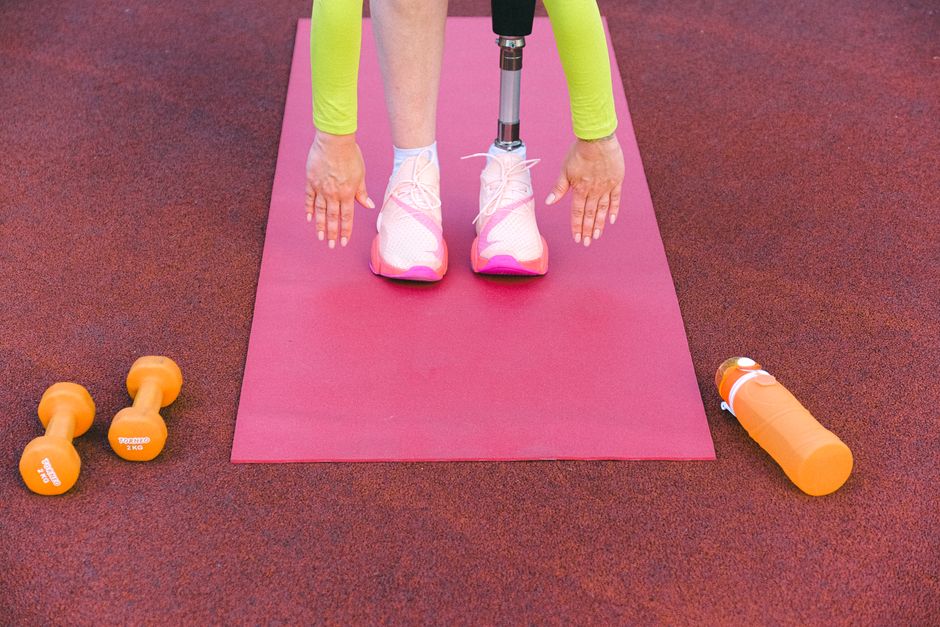
If you want the single most effective exercise for lowering blood pressure, the answer is regular aerobic activity — and it does not have to be running. Brisk walking, cycling, and swimming all count. Isometric exercises like wall sits and handgrip squeezes have also shown real promise in recent research, sometimes ranking near or above aerobic training in head-to-head comparisons.
Blood pressure responds to movement in ways scientists can measure. The effect is not a one-time drop after a workout. It builds over weeks and months of consistent training. That consistency matters more than intensity for most people.
What Exercises Lower Blood Pressure The Most?
Aerobic exercise has the strongest body of evidence behind it. That means activities that raise your heart rate and keep it elevated for a sustained period — walking at a brisk pace, jogging, cycling, swimming, or using an elliptical machine.
Research consistently shows that regular aerobic training lowers systolic blood pressure by a meaningful margin in people with hypertension. The exact numbers vary across studies, but the direction is not in dispute. This is one of the most replicated findings in exercise science.
Isometric training has moved into the conversation more recently. A 2023 analysis published in the British Journal of Sports Medicine found that isometric exercises — particularly wall sits and handgrip training — produced larger average blood pressure reductions than aerobic, dynamic resistance, or high-intensity interval training in the studies reviewed. That finding got a lot of attention. It is worth understanding what it does and does not mean.
The isometric studies tend to be smaller and shorter than the aerobic literature. The aerobic evidence stretches back decades and includes thousands of participants. Isometric training looks promising, but it is not yet the replacement for aerobic exercise that some headlines suggested.
How Does Exercise Lower Blood Pressure?
Blood pressure is the force of blood pushing against artery walls. Exercise changes several things that affect that force.
During aerobic activity, blood vessels widen to deliver more oxygen to working muscles. Over time, this repeated widening appears to improve the flexibility and function of the artery lining. Stiffer arteries are a major driver of rising blood pressure with age, and exercise seems to slow or partially reverse that stiffening.
The nervous system also adapts. Chronic stress hormones and sympathetic nervous system activity keep blood vessels constricted. Regular exercise appears to reduce resting sympathetic tone, which allows vessels to stay more relaxed between workouts.
There is also a structural change. The heart becomes a more efficient pump with training. It moves the same volume of blood with less effort, which reduces the pressure needed to circulate blood at rest.
These mechanisms take weeks to develop. A single workout can lower blood pressure for a few hours afterward — a phenomenon called post-exercise hypotension. But the lasting effect comes from cumulative training.
How Much Exercise Do You Need to See Results?
Major health organizations recommend at least 150 minutes of moderate-intensity aerobic activity per week for adults. That works out to about 30 minutes on most days. This is the general physical activity guideline for overall health, and it aligns with what blood pressure research supports.
Moderate intensity means you can talk but not sing during the activity. Brisk walking fits here. So does casual cycling or swimming at a comfortable pace.
For blood pressure specifically, some evidence suggests that more frequent sessions may matter as much as total weekly minutes. Blood pressure tends to drift back up between workouts, so spreading activity across more days of the week may help keep it lower.
You do not have to start at 150 minutes. Research on exercise and blood pressure shows benefits even at lower volumes. Going from completely sedentary to walking 20 minutes a few times a week is a meaningful change. Building from there is reasonable.



Are Isometric Exercises Better Than Cardio for Blood Pressure?
Not clearly, despite what some recent headlines suggested. The evidence is genuinely mixed on this comparison.
Isometric exercise means holding a muscle contraction without moving the joint. A wall sit is the classic example — you hold a seated position against a wall with your thighs parallel to the floor. Handgrip training involves squeezing a device and holding the squeeze.
These exercises produce a temporary spike in blood pressure during the hold, followed by a drop afterward. Over weeks of training, resting blood pressure tends to fall. Some studies have found reductions that compare favorably to aerobic training.
But there are caveats. Isometric training protocols in studies often involve specific equipment and timed holds. The total number of participants across isometric studies is far smaller than in the aerobic literature. And the blood pressure spike during the hold itself raises a practical question for people with very high resting blood pressure — whether the temporary surge is safe without medical clearance.
The honest position: isometric training is a legitimate option with growing evidence, but it has not displaced aerobic exercise as the most established approach. Combining both is reasonable for many people.
Does Strength Training Help Blood Pressure?
Yes, but the effect is generally smaller than what aerobic exercise produces. Dynamic resistance training — lifting weights through a full range of motion — has been shown to lower blood pressure modestly in people with hypertension.
The standard recommendation is to include resistance training two to three days per week, targeting all major muscle groups. This is part of general physical activity guidance, not a blood-pressure-specific prescription.
One practical note: heavy lifting with breath-holding can cause sharp temporary spikes in blood pressure. Exhaling during the effort rather than holding your breath is a widely taught technique that reduces this. If you have uncontrolled high blood pressure, it is worth discussing a resistance training plan with a clinician before starting.
What About High-Intensity Interval Training?
HIIT involves short bursts of very hard effort followed by recovery periods. It has been studied for blood pressure, and some research shows reductions comparable to moderate aerobic training.
The problem is adherence and safety. HIIT is demanding. Many people find it hard to sustain long-term. And for someone with uncontrolled hypertension or heart disease, the intense effort may carry risk that moderate exercise does not.
HIIT can work for blood pressure in the right person. It is not the easiest starting point, and it does not appear to be superior to steady moderate exercise for this specific outcome.
Which Exercise Is Best If You Have High Blood Pressure?
The best exercise is the one you will actually do consistently. That sounds like a cliché, but it reflects something real about how blood pressure responds to training — the benefit comes from repetition over time, not from any single perfect workout.
For most people with elevated blood pressure, a reasonable approach looks like this:
- Aerobic activity most days of the week, building toward 150 minutes weekly
- Resistance training two to three days per week
- Optional isometric work as a supplement, if cleared by a clinician
- Breaking up long sitting periods with short movement breaks
Exercise is one lever among several. It works alongside medication, diet, sleep, and stress management. For some people, exercise alone is not enough to control blood pressure, and that is not a failure — it reflects how many factors feed into the condition.
If your blood pressure is very high or you have heart disease, talk to a clinician before starting a new exercise program. This is especially true for isometric training and high-intensity work, where the temporary blood pressure response is more pronounced.
Frequently Asked Questions
What exercise lowers blood pressure the fastest?
Aerobic exercise produces the quickest measurable drop, with blood pressure often staying lower for hours after a single session. Lasting reductions, however, take weeks of consistent training.
Is walking enough to lower blood pressure?
Yes. Brisk walking is aerobic exercise and has been shown to lower blood pressure when done regularly. The key is pace and consistency — a casual stroll is less effective than a pace that raises your heart rate.
Can isometric exercises replace cardio for blood pressure?
Not based on current evidence. Isometric training has shown strong results in some studies, but the research base is smaller and shorter than the aerobic literature. Most guidance still centers on aerobic activity as the foundation.
How long before exercise lowers blood pressure?
Some reduction can appear within a few weeks of regular training. Larger and more lasting changes typically develop over several months of consistent activity.
