
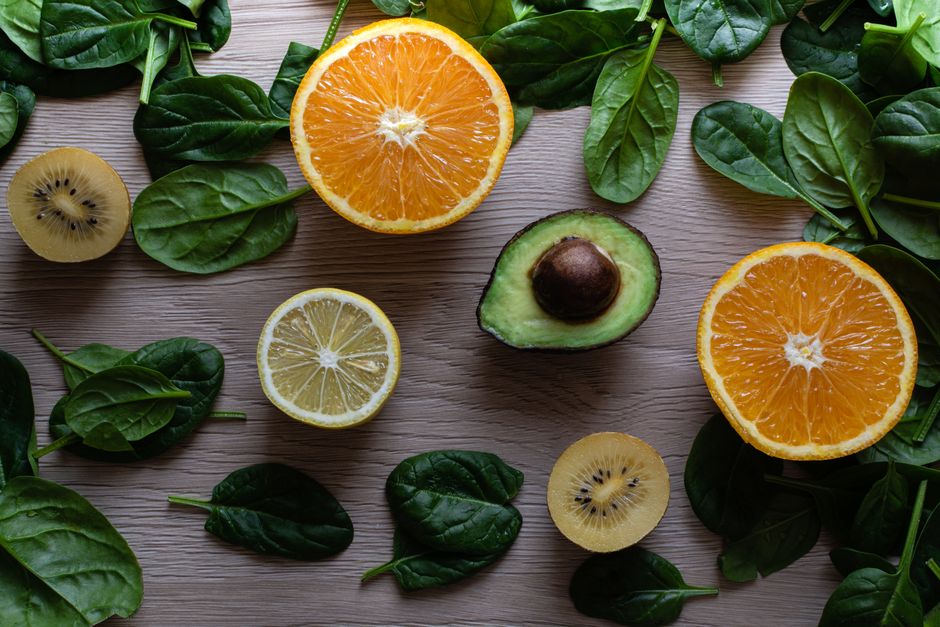
Certain fruits can help lower blood pressure, and the strongest evidence points to bananas, oranges, and other potassium-rich fruits. Potassium helps the body balance sodium and ease tension in blood vessel walls. The effect is real but modest — fruit supports blood pressure control, it does not replace medical treatment.
What Fruit Can Lower Blood Pressure Naturally?
Bananas are the fruit most often linked to blood pressure, and for good reason. A medium banana provides roughly 400 to 450 milligrams of potassium, a mineral directly involved in how the body regulates fluid balance and blood vessel tone.
But bananas are not alone. Several fruits carry meaningful amounts of potassium, magnesium, or plant compounds that support healthy circulation. These include:
- Bananas — high in potassium
- Oranges and orange juice — potassium plus vitamin C
- Avocados — potassium and magnesium
- Kiwi — potassium and antioxidants
- Prunes and prune juice — potassium and fiber
- Pomegranate — plant compounds called polyphenols
- Watermelon — contains citrulline, an amino acid studied for blood vessel effects
The common thread is potassium. The average American diet falls short of the potassium most adults need — 4,700 milligrams per day for healthy adults, according to the National Academies of Sciences, Engineering, and Medicine. Fruit is one of the easiest ways to close that gap.
One clarification worth making: no single fruit is a treatment. The blood pressure benefit comes from eating fruit consistently as part of an overall eating pattern, not from eating one banana and expecting a change.
How Does Potassium in Fruit Lower Blood Pressure?
Potassium lowers blood pressure through a few well-understood mechanisms. The first is sodium balance. Sodium pulls water into the bloodstream and raises pressure. Potassium helps the kidneys flush excess sodium out through urine.
The second mechanism involves blood vessel walls. Potassium helps relax the smooth muscle lining your arteries. When those muscles relax, vessels widen, and pressure drops.
These effects are established in human physiology and supported by decades of research. A large body of evidence, including studies published in journals like Hypertension and the British Medical Journal, has linked higher potassium intake to lower blood pressure in adults.
What potassium does not do is act quickly. This is a gradual, cumulative effect. You will not see a change after one banana. You may see a change after weeks of consistently eating more potassium-rich foods.
What Does the Research Actually Show?
The research on potassium and blood pressure is strong. The research on specific fruits is narrower.
For potassium, the evidence is solid. Higher dietary potassium intake is associated with lower blood pressure and a reduced risk of stroke in multiple large population studies. This is why public health guidelines consistently recommend increasing potassium through food.
For individual fruits, the picture is more mixed. Some small trials have looked at pomegranate juice and found modest reductions in systolic blood pressure. Some studies on watermelon and citrulline show similar small effects. But these trials are often short, small, or funded by industry groups with a stake in the outcome.
That does not mean the fruit is useless. It means the evidence for any single fruit is weaker than the evidence for potassium as a nutrient.
The honest position: fruit helps blood pressure, but mostly because it delivers potassium, fiber, and antioxidants in place of foods that raise pressure — like processed snacks and salty meals. The pattern matters more than any one fruit.




Which Fruits Have the Most Potassium?
If your goal is potassium, some fruits deliver more than others. The table below shows approximate potassium content per common serving, based on USDA nutritional data.
| Fruit | Serving | Approximate Potassium |
|---|---|---|
| Banana | 1 medium | 400–450 mg |
| Avocado | Half | 450–500 mg |
| Orange | 1 medium | 230–250 mg |
| Kiwi | 1 medium | 200–220 mg |
| Prunes | Half cup | 600–650 mg |
| Watermelon | 1 cup diced | 170–180 mg |
| Pomegranate | Half cup arils | 200–210 mg |
Dried fruits like prunes concentrate potassium because the water has been removed. That makes them a strong source, but also a concentrated source of sugar. Portion size matters.
Avocado stands out because it also delivers magnesium, another mineral involved in blood vessel relaxation. Bananas remain the most convenient option for most people.
Can Fruit Replace Blood Pressure Medication?
No. Fruit cannot replace blood pressure medication, and no credible evidence suggests it can.
This is where a lot of online content gets it wrong. Eating bananas will not let you stop taking a prescription. High blood pressure is a serious condition. When left uncontrolled, it raises the risk of heart attack, stroke, kidney damage, and vision loss.
What fruit can do is support your treatment. The Dietary Approaches to Stop Hypertension (DASH) eating plan — developed and studied by the National Institutes of Health — emphasizes fruits, vegetables, and low-fat dairy. Research behind DASH showed meaningful reductions in blood pressure when people followed the pattern. That pattern includes fruit, but it also includes vegetables, whole grains, and limits on sodium and saturated fat.
If you take medication, keep taking it. Talk to your doctor before making any changes. Some blood pressure medications, particularly ACE inhibitors and potassium-sparing diuretics, can raise potassium levels in the body. Adding large amounts of high-potassium fruit on top of those medications could push potassium too high — a condition called hyperkalemia that can affect heart rhythm.
This is not a reason to avoid fruit. It is a reason to talk to your doctor about your diet if you are on medication.
Who Should Be Careful With High-Potassium Fruits?
For most healthy adults, eating more potassium-rich fruit is safe and beneficial. But some people need to be cautious.
- People with kidney disease. Damaged kidneys cannot filter potassium efficiently. If you have chronic kidney disease, your doctor may recommend limiting potassium.
- People on certain blood pressure medications. ACE inhibitors, angiotensin receptor blockers, and potassium-sparing diuretics can raise potassium levels.
- People with type 1 diabetes. Poorly controlled diabetes can affect potassium regulation.
- Older adults with reduced kidney function. Kidney function naturally declines with age, which can affect how the body handles potassium.
If you fall into any of these groups, do not increase your potassium intake without medical guidance. For everyone else, whole fruit is a safe and sensible part of a blood pressure-friendly diet.
One note on juice: fruit juice delivers potassium, but it also delivers a concentrated dose of sugar without the fiber of whole fruit. Whole fruit is generally the better choice. If you drink juice, keep portions small.
What Else Matters for Blood Pressure Besides Fruit?
Fruit is one piece of a larger picture. Blood pressure responds to several lifestyle factors, and no single food outweighs the rest.
Sodium intake matters enormously. Most Americans consume far more sodium than the 2,300 milligrams per day recommended by federal dietary guidelines. Reducing sodium — especially from processed and restaurant foods — has a direct effect on blood pressure.
Physical activity helps too. Regular movement, even walking, supports healthy blood vessel function. Weight management plays a role. So does limiting alcohol and not smoking.
The combination is what works. People who eat more fruit, eat less sodium, move regularly, and manage stress tend to have healthier blood pressure than people who focus on any one of these alone.
If you want a simple starting point, add one or two servings of potassium-rich fruit to your day. Swap a salty snack for a banana or an orange. It is a small change, but it moves in the right direction.
Frequently Asked Questions
What fruit can lower blood pressure naturally?
Bananas, oranges, avocados, kiwi, prunes, and pomegranate are among the fruits linked to blood pressure support. Their benefit comes mainly from potassium and plant compounds that help the body balance sodium and relax blood vessels.
How much potassium do I need to lower blood pressure?
Most healthy adults need about 4,700 milligrams of potassium per day, according to the National Academies of Sciences, Engineering, and Medicine. Most Americans get far less than that from food.
Can eating bananas replace blood pressure medication?
No. Bananas and other fruits support blood pressure control but cannot replace prescription medication. Stopping medication without medical guidance can lead to serious health risks.
Is it safe to eat a lot of high-potassium fruit?
For most healthy adults, yes. But people with kidney disease or those taking certain blood pressure medications should talk to their doctor first, because too much potassium can affect heart rhythm.
