
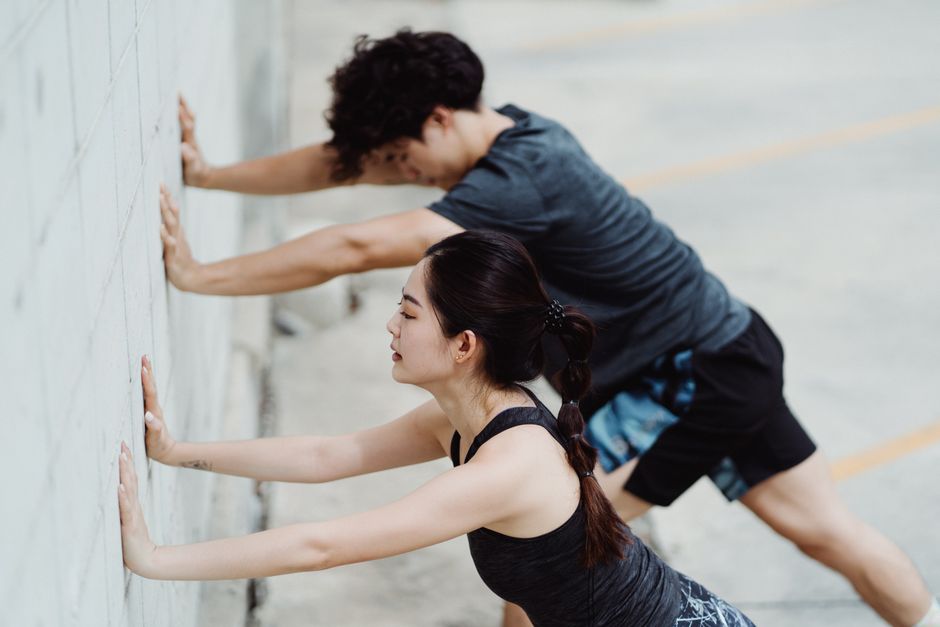
When your circulation is sluggish, your whole body feels it — cold hands, tired legs, brain fog, or slow-healing scrapes. The good news is that exercise is one of the most reliable ways to improve blood flow, and you do not need a gym membership to benefit. Aerobic activities like walking, swimming, and cycling get your heart pumping and widen your blood vessels. Resistance training, stretching, and even simple leg lifts also help by using muscle contractions to push blood back toward your heart. The most effective approach is a mix of these, done consistently, several times per week.
Why Does Exercise Improve Blood Flow?
Your heart is a pump, but it is not the only thing moving blood around. Your blood vessels have a layer of muscle that can relax and widen, a process called vasodilation. When you exercise, your muscles need more oxygen, so your blood vessels open up to deliver it. This lowers blood pressure in the moment and, over time, trains your vessels to stay more flexible.
Exercise also stimulates the release of nitric oxide, a molecule that signals blood vessels to relax. Regular physical activity keeps this system working smoothly. That is why people who exercise consistently tend to have lower resting blood pressure and better circulation than those who do not.
Another key mechanism is the skeletal muscle pump. Your leg muscles, especially in the calves, squeeze veins when they contract. Veins have one-way valves, so that squeeze pushes blood upward toward the chest. This is why movement is so important for people who sit all day or have conditions like varicose veins.
What Are the Best Aerobic Exercises for Circulation?
Aerobic exercise is the foundation of good circulation. It raises your heart rate and keeps it elevated, forcing your cardiovascular system to work and adapt. The goal is moderate intensity — you should be able to talk but not sing comfortably.
- Walking — the simplest and most accessible option. A brisk 30-minute walk most days of the week improves leg circulation and overall cardiovascular fitness.
- Swimming — the water provides gentle compression on your limbs, which can help push blood back toward your heart. It is also easy on the joints.
- Cycling — whether outdoor or stationary, cycling engages the large muscles of the legs and hips, driving strong blood flow through the lower body.
- Jumping rope — a high-intensity option that rapidly increases heart rate and engages the calf muscles, which are central to venous return.
- Rowing — combines upper and lower body work, so it stimulates circulation in both halves of the body.
If you are new to exercise, start with walking. It is low-risk, requires no equipment, and has strong evidence behind it for cardiovascular health. Gradually increase your pace and duration over several weeks.
How Do Strength Training and Resistance Exercises Help?
Strength training improves circulation through a different mechanism. When you contract a muscle, it compresses the nearby veins and pushes blood along. This is called the muscle pump effect. It is especially powerful in the legs, which is where blood tends to pool when you stand or sit for long periods.
Compound movements that use large muscle groups are particularly effective. Squats, lunges, leg presses, and calf raises all drive blood flow through the lower body. Upper body exercises like push-ups and rows improve circulation in the arms and chest.
Strength training also builds muscle mass, and muscle tissue demands more blood supply than fat tissue. Over time, this increases the density of blood vessels in the trained areas. Some research suggests resistance training can improve endothelial function — the health of the inner lining of your blood vessels — comparable to aerobic exercise.
You do not need heavy weights. Bodyweight exercises like squats and lunges work well. The key is performing them with enough repetitions to fatigue the muscle, typically 10 to 15 reps per set, for two to three sets.



Can Stretching and Flexibility Work Increase Circulation?
Stretching is often overlooked for circulation, but it has a real effect. When you stretch a muscle, you temporarily compress the blood vessels inside it. When you release the stretch, those vessels open up and blood rushes in. This is why muscles often feel warm and full after a good stretch.
A 2020 study published in the Journal of Physiology found that regular passive stretching of the legs improved blood flow and reduced arterial stiffness in participants. The effect was comparable to some aerobic exercise programs, though the study was small and needs confirmation.
Dynamic stretching — moving through a range of motion rather than holding a position — is especially good before exercise. It warms up the tissues and increases blood flow to the muscles you are about to use. Static stretching, where you hold a position for 20 to 30 seconds, is better after a workout or as a standalone routine.
Yoga combines stretching with deep breathing and bodyweight movement. It has been shown in multiple studies to improve circulation and reduce blood pressure, particularly in older adults. Poses that elevate the legs, like legs-up-the-wall, use gravity to help venous return.
What Specific Exercises Help Leg Circulation the Most?
Leg circulation is the most common concern because blood has to travel against gravity to return to the heart. If you have heavy legs, swelling, or visible varicose veins, these exercises target the calf and thigh muscles directly.
- Calf raises — stand with your feet flat, rise onto your toes, then lower. This directly activates the calf muscles, which are the primary drivers of venous return from the lower legs.
- Ankle pumps — point your toes down, then flex them up. This can be done sitting or lying down and is a standard exercise for preventing deep vein thrombosis after surgery.
- Leg lifts — lying on your back, lift one leg straight up, hold, and lower. This engages the thigh muscles and encourages blood flow from the lower leg.
- Walking or marching in place — simple, effective, and can be done anywhere. Marching for two minutes every hour counteracts the effects of prolonged sitting.
For people with chronic venous insufficiency — a condition where leg veins struggle to return blood to the heart — these exercises are often recommended alongside compression stockings. They do not cure the condition, but they reduce symptoms like swelling and aching.
How Often Should You Exercise to See Results?
Consistency matters more than intensity. The general guidance is 150 minutes of moderate aerobic activity per week, plus two days of strength training. That breaks down to about 30 minutes, five days a week. This aligns with recommendations from major health organizations like the American Heart Association and the World Health Organization.
You do not have to do all 30 minutes at once. Three 10-minute walks are just as effective for circulation as one 30-minute walk. The key is not letting long stretches of inactivity pass without movement.
If you sit at a desk all day, take a movement break every hour. Even one minute of walking or calf raises can restore blood flow that has slowed during prolonged sitting. Research has shown that sitting for hours without a break reduces blood flow in the legs, even if you exercise in the morning.
Results are not instant. Most people notice improved energy and less leg heaviness within a few weeks of consistent exercise. Changes in blood pressure and vessel flexibility typically take six to eight weeks to become measurable.
Are There Exercises to Avoid With Poor Circulation?
Most exercises are safe for people with mild circulation issues. However, if you have a diagnosed condition like peripheral artery disease, heart failure, or a history of blood clots, check with your doctor first.
For people with peripheral artery disease, walking is actually a core treatment. It can cause leg pain at first, but walking through the pain — stopping to rest, then continuing — has been shown to improve symptoms over time. This is called supervised exercise therapy and is a standard recommendation.
If you have swelling in your legs from heart failure, avoid exercises that keep your legs below heart level for long periods. Swimming or water aerobics can be a better option because the water pressure helps push fluid out of the legs.
If you have a history of deep vein thrombosis, especially in the last few months, avoid high-impact exercise and heavy lifting until your doctor clears you. The risk is dislodging a clot, though this is rare once you are on appropriate treatment.
Frequently Asked Questions
What is the fastest way to improve blood circulation?
Walking briskly for 10 to 15 minutes is the fastest way to get blood moving. Your heart rate rises, blood vessels widen, and leg muscles push blood upward within minutes of starting.
Can exercise reverse poor circulation?
Exercise can significantly improve circulation, but it cannot reverse structural damage from conditions like advanced peripheral artery disease. It can reduce symptoms and slow progression, but medical treatment may still be needed.
How long does it take for exercise to improve circulation?
You may feel immediate effects like warmer hands and feet after a single session. Measurable improvements in blood pressure and vessel flexibility typically take six to eight weeks of consistent exercise.
Is walking enough to improve blood circulation?
Yes, walking is one of the most effective exercises for circulation, especially for the legs. Thirty minutes of brisk walking most days of the week is enough to produce measurable cardiovascular benefits.
