
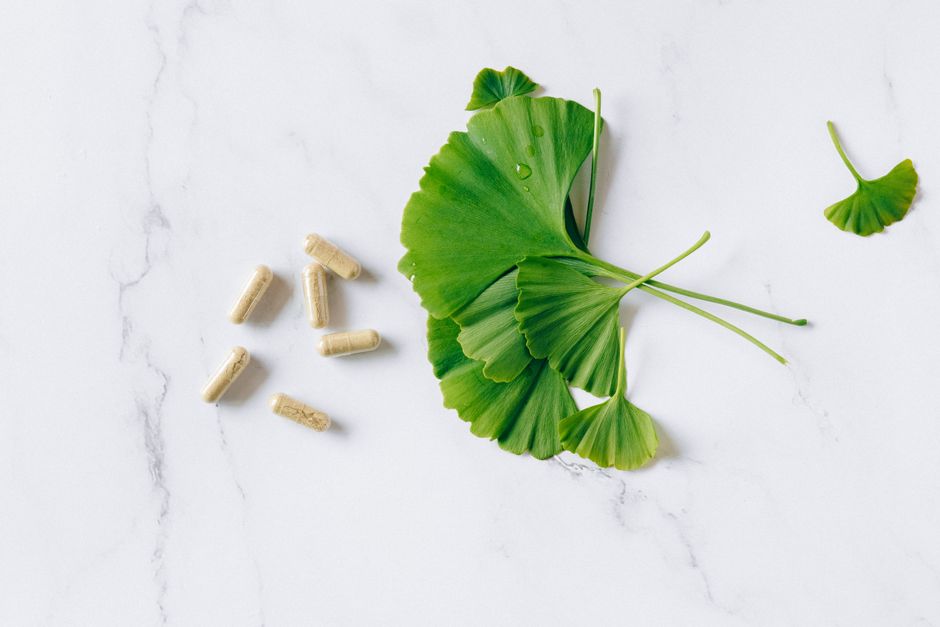
Ginkgo biloba does have mild blood-thinning properties, and the evidence linking it to a real increase in bleeding risk is mixed but serious enough that major medical sources flag it as a concern. The effect is not as strong or as predictable as prescription blood thinners like warfarin or aspirin. But case reports have described bleeding events in people taking ginkgo, and the possibility matters most for anyone on anticoagulant or antiplatelet medication, anyone facing surgery, and anyone with a bleeding disorder.
That distinction between “mild effect” and “no risk” is where most online answers get sloppy. Ginkgo is not harmless simply because it is sold over the counter. It is also not a drug that predictably thins blood the way a prescribed anticoagulant does. The truth sits in a narrower, more specific place.
Does Ginkgo Biloba Thin Blood And Increase Bleeding Risk?
Yes, ginkgo biloba can affect blood clotting, and it has been associated with bleeding in a number of published case reports. The mechanism is plausible and partly documented: compounds in ginkgo, particularly ginkgolides, can inhibit platelet activating factor, a molecule involved in platelet clumping. When platelets clump less readily, clots form more slowly.
What makes this genuinely uncertain rather than settled is the gap between laboratory findings and real-world outcomes. In lab studies, ginkgo extracts do show antiplatelet activity. In human trials, the picture is less consistent. Some studies find measurable changes in bleeding time or platelet function; others find none at clinically meaningful levels. That inconsistency is important. It means ginkgo is not a reliable blood thinner in the way a prescription drug is, but it also means you cannot assume it has zero effect in your body.
The case reports are the part that keeps this topic alive. Over the years, medical journals have described bleeding events — including bleeding in the brain, in the eye, and after surgery — in people who were taking ginkgo. Case reports cannot prove cause and effect. A person in a case report may have had other risk factors. But when a plausible mechanism and repeated reports point the same direction, clinicians take notice.
How Does Ginkgo Affect Platelets And Clotting?
Ginkgo’s effect on clotting centers on platelets, the small cell fragments that rush to a wound and stick together to form a plug. Normal clotting depends on platelets activating, clumping, and sealing off a break in a blood vessel.
Ginkgolides, one of the main active groups in ginkgo leaf extract, block platelet activating factor. This is a real, measurable biochemical action. Blocking that signal can reduce how aggressively platelets clump. Separately, some research suggests ginkgo may influence the blood vessel lining and other parts of the clotting cascade, though this is less well characterized.
Here is the non-obvious part: the strength of this effect in a test tube does not automatically translate into a meaningful bleeding risk in a living person. The body has many overlapping systems that control clotting, and a mild nudge to one of them often does not change the final outcome. That is why ginkgo is best described as having a mild, inconsistent antiplatelet effect — enough to matter in some situations, not enough to function as a dependable blood thinner.
Who Should Be Most Concerned About Ginkgo And Bleeding?
The people at highest concern are those whose clotting is already compromised or medically managed. For them, adding even a mild antiplatelet effect is a risk that is hard to justify without a clear benefit.
- Anyone taking anticoagulants such as warfarin, apixaban, rivaroxaban, or dabigatran
- Anyone taking antiplatelet drugs such as aspirin, clopidogrel, or similar medications
- People with bleeding disorders such as hemophilia or low platelet counts
- Anyone scheduled for surgery or dental procedures in the near future
- People taking NSAIDs like ibuprofen or naproxen regularly
The concern with combining ginkgo and these medications is additive effect. If a prescription drug already reduces clotting and ginkgo adds a mild reduction on top, the combined effect could push someone toward easier bruising or bleeding. This is a theoretical concern supported by mechanism and some case reports, not by large controlled trials — and that gap is exactly why the cautious approach is warranted rather than dismissed.
Pregnancy and breastfeeding deserve separate mention. There are no clinical guidelines establishing a safe dose of ginkgo for pregnant or breastfeeding women, and given the clotting questions, most clinicians advise avoiding it during these periods. This is a case where the absence of safety data is itself the reason for caution.




What Does The Research Actually Show?
The honest summary is that the evidence is mixed. Some human studies have found that ginkgo prolongs bleeding time or reduces platelet aggregation. Others have found no significant effect at typical doses. When studies disagree, the safest conclusion is not “it does nothing” but “the effect is inconsistent and may vary by person, dose, and product.”
That last variable matters more than most people realize. Ginkgo supplements are not standardized the way prescription drugs are. The amount of active ginkgolide can vary widely between brands and even between batches. A study using one extract may not reflect what is in the bottle you buy. This is a general problem with herbal supplements, and it makes any single study’s findings harder to apply to an individual product.
There is also a difference between ginkgo taken alone and ginkgo taken with other substances that affect clotting. Many of the case reports involve people on multiple medications or supplements. That makes it hard to isolate ginkgo’s contribution — but it also reflects how people actually take these products, which is often in combination.
Should You Stop Ginkgo Before Surgery?
Yes, stopping ginkgo before surgery is a common and reasonable precaution, and most clinicians recommend it. The typical guidance is to stop ginkgo at least two weeks before a planned procedure, though you should follow whatever your own surgeon or anesthesiologist tells you, since they know your full medication picture.
The reason is straightforward. Surgery creates wounds, and your body needs to clot effectively to control bleeding. If ginkgo is adding even a mild antiplatelet effect, the last thing you want is that effect present during and immediately after an operation. The two-week window is based on how long it generally takes for the body to clear the supplement’s active compounds and for any effect to wear off.
This is one area where the precaution is widely accepted even without large trials proving harm. It falls into the category of “some clinicians recommend” rather than “strongly evidence-based” — but the downside of stopping a supplement for two weeks is small, and the potential downside of not stopping it is not.
What Are The Signs Of A Bleeding Problem?
If ginkgo is affecting your clotting, the signs tend to be subtle at first. Watch for easy bruising, nosebleeds that take longer than usual to stop, bleeding gums when you brush, or cuts that ooze longer than expected. More serious warning signs include blood in urine or stool, unusually heavy menstrual bleeding, or a severe headache that comes on suddenly.
A sudden severe headache, confusion, weakness on one side, or difficulty speaking are emergency symptoms and warrant immediate medical attention regardless of what supplements you take. These can signal bleeding in the brain, which is rare but has been described in case reports involving ginkgo.
If you notice any of the milder signs and you take ginkgo, the sensible step is to stop the supplement and talk to a clinician, especially if you also take any medication that affects clotting. Do not try to sort out the cause on your own when bleeding is involved.
Is Ginkgo Worth The Risk For Its Benefits?
This is where honesty matters most, because ginkgo is heavily marketed and the evidence for its benefits is weaker than the marketing suggests. Ginkgo has been studied for memory, dementia, tinnitus, and circulation, among other uses. The results have been largely disappointing in large trials, particularly for cognitive decline and dementia prevention.
That does not mean ginkgo has no effects. It means the gap between what it is sold to do and what strong trials show it does is wide. When a supplement has uncertain benefits and a real, if modest, bleeding concern, the balance tips differently for different people. Someone with no bleeding risk factors taking ginkgo for a minor reason has a different calculus than someone on warfarin.
If you are considering ginkgo, the most useful thing you can do is tell your doctor and pharmacist everything you take — including supplements — so they can check for interactions. Bring the actual bottle. Product formulations vary, and a clinician cannot assess a risk they do not know about.
Frequently Asked Questions
Does ginkgo biloba actually thin your blood?
Ginkgo has a mild antiplatelet effect that can reduce how readily platelets clump together, but it is not a reliable blood thinner like prescription anticoagulants. The effect varies between people and studies, and it is generally weaker and less predictable than that of medications.
Can you take ginkgo with aspirin or blood thinners?
Combining ginkgo with aspirin, warfarin, or other anticoagulant or antiplatelet drugs may increase bleeding risk through an additive effect. Talk to your doctor before combining them, since the decision depends on your specific medications and health history.
How long before surgery should you stop taking ginkgo?
Most clinicians recommend stopping ginkgo about two weeks before a planned surgery or procedure. Follow your own surgeon’s or anesthesiologist’s instructions, since they can account for your full medication list.
What are the warning signs of bleeding from ginkgo?
Watch for easy bruising, prolonged nosebleeds, bleeding gums, or cuts that ooze longer than expected. A sudden severe headache, confusion, or weakness on one side is an emergency and needs immediate medical care.
