
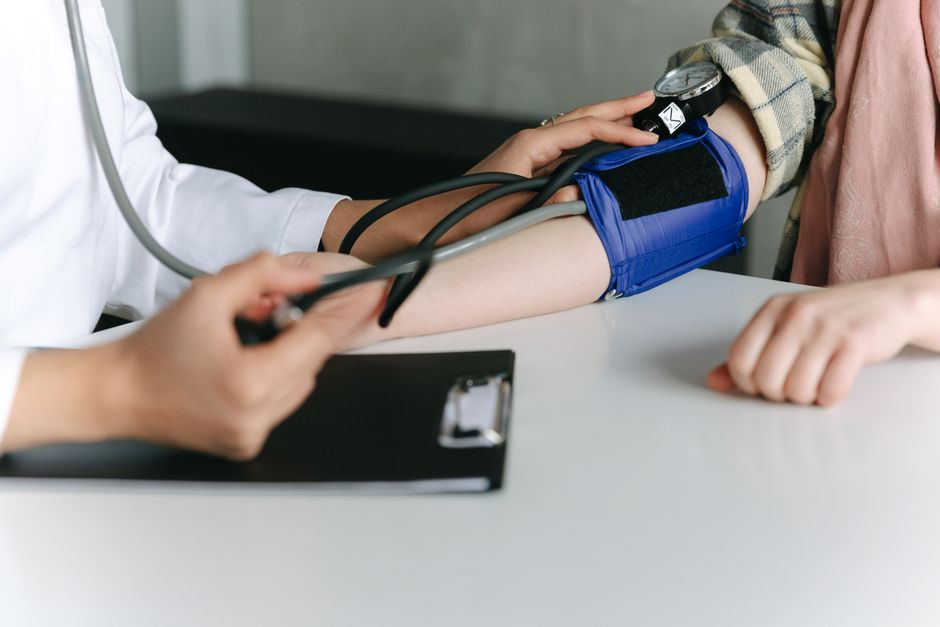
Blood pressure rises when the force of blood pushing against artery walls increases. That can happen because the heart pumps harder, because the arteries narrow or stiffen, or because there is simply more fluid in the system. Most of the time it is not one cause but several working together — and some of them are things you can change.
What Causes an Increase in Blood Pressure?
Blood pressure is determined by two things: how much blood the heart pushes out each minute, and how much resistance that blood meets in the arteries. Anything that raises either one raises your reading.
Narrower arteries mean the same amount of blood has to squeeze through a smaller space. Stiffer artery walls mean the system cannot relax between heartbeats the way it should. More fluid circulating means more volume pressing outward. These three forces — resistance, stiffness, and volume — sit behind almost every cause of high blood pressure.
Doctors divide the causes into two groups. Primary hypertension has no single identifiable cause. It develops gradually over years and accounts for the large majority of cases. Secondary hypertension has a specific underlying condition or medication driving it, and it can appear suddenly.
That distinction matters. Secondary causes are sometimes reversible. Primary hypertension is managed, not cured, but it responds well to sustained changes.
How the Body Regulates Blood Pressure
Your body adjusts blood pressure constantly, second by second, without you noticing. Several systems handle this.
The sympathetic nervous system is the fight-or-flight branch. When it activates, it signals the heart to beat faster and harder and tells blood vessels to tighten. This is normal during stress or exercise. Problems arise when the system stays switched on.
The renin-angiotensin-aldosterone system is a hormone chain that controls blood volume and vessel tone. The kidneys release renin when they sense low blood flow. That triggers a sequence that narrows vessels and tells the body to hold onto sodium and water. More sodium means more fluid retained, which means more pressure.
The kidneys also regulate pressure directly by controlling how much fluid leaves the body as urine. This is why kidney disease so often shows up as high blood pressure, and why some blood pressure medications work by targeting kidney hormone pathways.
Blood vessels themselves respond to signals from the inner lining, called the endothelium. A healthy endothelium releases nitric oxide, which relaxes vessels. When that lining is damaged — by smoking, high blood sugar, or chronic inflammation — vessels lose some of that ability to relax.
Lifestyle Factors That Raise Blood Pressure
Sodium intake is the most studied dietary factor. The relationship between high sodium and elevated blood pressure is well established across large population studies and controlled trials. Not everyone responds to sodium the same way — salt sensitivity varies between individuals — but the population-level effect is consistent.
Excess body weight raises blood pressure through several routes at once. More tissue means the heart must move more blood. Extra fat around the abdomen appears to activate hormonal signals that raise vessel resistance. Weight loss reliably lowers blood pressure in people who carry extra weight.
Alcohol raises blood pressure when consumed regularly and in larger amounts. The effect is dose-dependent: more drinks, higher pressure. Reducing intake tends to lower readings.
Physical inactivity works against the cardiovascular system over time. Regular movement helps vessels stay flexible and helps the heart work more efficiently. The reverse is also true — deconditioning makes the system stiffer.
Tobacco use damages the endothelium and causes immediate, temporary spikes in blood pressure with each use. Chronic smoking accelerates artery stiffening.
Chronic stress raises blood pressure through sustained sympathetic activation. The evidence for stress management lowering long-term readings is mixed, but the short-term effect of stress on pressure is well documented.
Poor sleep and untreated sleep apnea are increasingly recognized contributors. Sleep apnea causes repeated drops in blood oxygen during the night, which triggers surges in blood pressure and stress hormones. It is one of the more common secondary causes of resistant hypertension.



Medical Conditions That Cause Secondary Hypertension
When high blood pressure appears suddenly, is very high, or resists multiple medications, doctors look for a specific cause.
- Kidney disease — damaged kidneys regulate fluid and hormones poorly, raising pressure
- Renal artery narrowing — reduced blood flow to a kidney triggers hormone signals that raise pressure
- Sleep apnea — repeated oxygen drops during sleep drive nighttime and daytime pressure up
- Thyroid disorders — both overactive and underactive thyroid can affect blood pressure
- Primary aldosteronism — a hormone-producing issue in the adrenal glands that causes sodium retention
- Pheochromocytoma — a rare tumor that releases pressure-raising hormones in bursts
- Coarctation of the aorta — a congenital narrowing of the main artery
Some medications also raise blood pressure. Common ones include nonsteroidal anti-inflammatory drugs, certain decongestants, some hormonal contraceptives, corticosteroids, and certain antidepressants. This is not a reason to stop any medication on your own. It is a reason to ask your clinician whether a medication could be contributing.
Age, Genetics, and Blood Pressure
Arteries stiffen with age. That stiffening is partly a normal part of aging and partly the result of cumulative exposure to risk factors. It is one reason systolic pressure — the top number — tends to rise steadily across adulthood in many people.
Genetics matter. High blood pressure runs in families, and some populations have higher rates than others for reasons that include both genetic and social factors. Family history raises your baseline risk but does not determine your outcome.
Race and ethnicity are associated with different patterns of hypertension in the United States. These differences reflect a mix of genetics, environment, access to care, and long-standing structural factors. They are not explained by biology alone.
What Actually Lowers Blood Pressure
The approaches with the strongest evidence behind them are not complicated, though they are not always easy.
Reducing sodium intake lowers blood pressure in many people. The effect is larger in those who are salt-sensitive, older adults, and people who already have hypertension.
Eating a pattern rich in vegetables, fruits, whole grains, and low-fat dairy — often described as the DASH eating pattern — has consistently lowered blood pressure in clinical trials. Potassium-rich foods appear to help, though people with kidney disease should talk to their doctor before increasing potassium.
Regular physical activity lowers blood pressure. Both aerobic activity and resistance training have evidence behind them. The effect appears even without weight loss.
Losing excess weight lowers blood pressure, and the effect tends to scale with how much weight is lost.
Limiting alcohol and not smoking both help. So does treating sleep apnea if you have it.
When lifestyle changes are not enough, medication is appropriate. Several classes of drugs work through different mechanisms, and many people need more than one. The decision to start medication is a clinical one and depends on your overall cardiovascular risk, not just your reading.
When to Get Medical Help
A single high reading does not mean you have hypertension. Diagnosis generally requires multiple elevated readings over time, often including measurements taken at home.
A reading of 180/120 mm Hg or higher with symptoms such as chest pain, shortness of breath, severe headache, vision changes, weakness, or difficulty speaking is a medical emergency. Call emergency services.
A reading that high without symptoms should be rechecked after a few minutes of rest. If it remains that high, contact a clinician promptly.
Frequently Asked Questions
What is the most common cause of high blood pressure?
Most cases have no single identifiable cause and are classified as primary hypertension, developing gradually from a mix of genetics, age, diet, weight, and activity level. Secondary hypertension from a specific condition or medication accounts for a smaller share of cases.
Can stress alone cause high blood pressure?
Stress causes temporary spikes in blood pressure through sympathetic nervous system activation. Whether chronic stress alone causes lasting hypertension is less clear, though it likely contributes alongside other factors.
Does salt really raise blood pressure?
Yes, high sodium intake raises blood pressure at the population level, and this is well established in controlled trials. Individual sensitivity varies, and some people respond more strongly than others.
Can high blood pressure be reversed?
Some people lower their readings enough through weight loss, diet, exercise, and reduced sodium to need less medication or none at all. This should always be done in consultation with a clinician, never by stopping medication on your own.
