
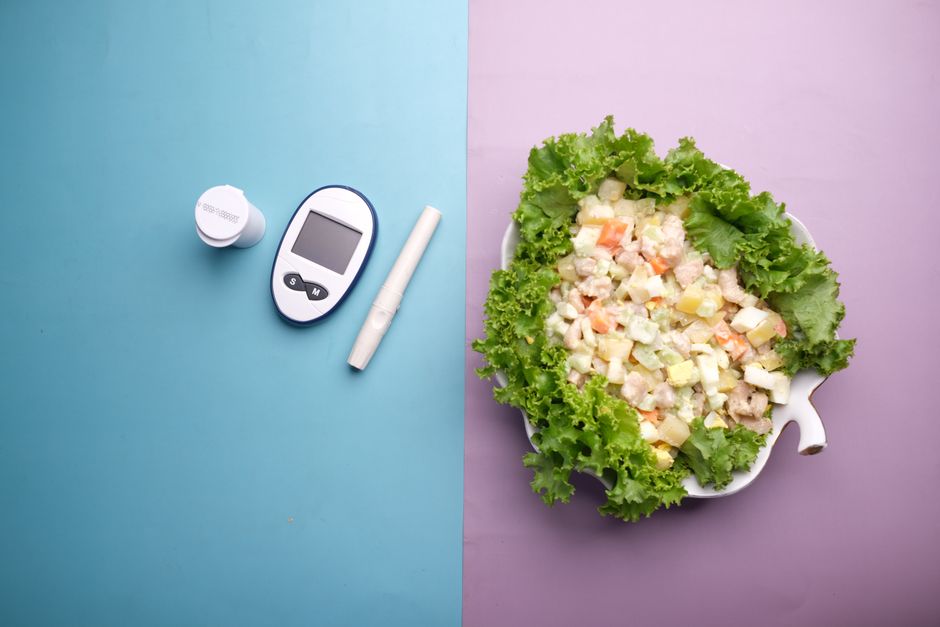
Blood moves through your body through a network of vessels that stretches roughly 60,000 miles if you laid it end to end. That system does not run on autopilot. What you eat affects how well it flows, how flexible your arteries stay, and how easily your blood moves through them.
No single food fixes poor circulation. But certain foods support the biological systems that regulate blood flow. Nitrate-rich vegetables, foods high in omega-3 fatty acids, and sources of antioxidants all have evidence behind them. The strongest evidence points to vegetables that your body converts into nitric oxide, a molecule that relaxes and widens blood vessels.
This article explains which foods have real evidence, how they work, and where the science is still uncertain.
What Foods Improve Blood Circulation And Flow?
Beets, leafy greens, citrus fruits, berries, fatty fish, walnuts, and garlic all have research supporting their role in circulation. Each works through a different mechanism, and none works alone.
The most direct mechanism involves nitric oxide. Your blood vessels produce this molecule to signal the smooth muscle in artery walls to relax. When arteries relax, they widen and blood flows more easily. This process is called vasodilation, and it is one of the most important ways your body regulates blood pressure and flow.
Dietary nitrates from vegetables are converted by bacteria in your mouth into nitrite, then in your body into nitric oxide. This pathway is well established in physiology. It is one reason why diets rich in vegetables are consistently linked to better cardiovascular outcomes.
Omega-3 fatty acids work differently. They influence blood viscosity, platelet function, and inflammation. Some studies indicate they may modestly reduce platelet aggregation, which means blood is slightly less likely to form clots. The effect is real but modest, and it does not replace medical treatment for clotting disorders.
Antioxidants in fruits and berries help protect the lining of blood vessels from oxidative damage. The endothelium, which is the thin layer of cells lining every blood vessel, is critical for regulating flow. When it is damaged, circulation suffers.
How Do Nitrate-Rich Vegetables Support Blood Flow?
Beets and leafy greens are the richest dietary sources of nitrates. The evidence for their effect on blood flow is among the strongest in nutrition research.
When you eat a beet, the nitrate travels to your bloodstream. Your body converts it to nitrite and then to nitric oxide. This leads to measurable widening of blood vessels.
Some studies have found that beetroot juice can lower systolic blood pressure by a small amount in healthy adults, typically in the range of a few points. The effect is modest and temporary. It is not a substitute for blood pressure medication.
Spinach, arugula, lettuce, and celery are also good sources. The nitrate content varies by vegetable and growing conditions. Arugula and beetroot tend to have higher concentrations than most other vegetables.
One detail worth knowing: antibacterial mouthwash can reduce the conversion of nitrate to nitrite by killing the bacteria in your mouth that perform this step. Some research suggests this may blunt the blood pressure-lowering effect of nitrate-rich foods. It is a small but non-obvious factor that most people never consider.
Which Omega-3 Foods Affect Circulation?
Fatty fish like salmon, mackerel, sardines, and anchovies are the best dietary sources of omega-3 fatty acids. These fats support blood flow through several pathways.
Omega-3s can reduce triglycerides, which are a type of fat in your blood. High triglycerides are associated with thicker blood and increased cardiovascular risk. Omega-3s also influence how platelets clump together.
Some research indicates that omega-3 supplementation may slightly reduce platelet aggregation. This is why some clinicians advise patients on blood thinners to talk to their doctor before taking high-dose fish oil. The interaction is real.
Plant sources of omega-3s include flaxseeds, chia seeds, and walnuts. These contain alpha-linolenic acid, a different type of omega-3. The body converts ALA to EPA and DHA, the forms found in fish, but the conversion rate is low. For circulation benefits tied to EPA and DHA, fish or fish oil is more direct.
Walnuts also contain polyphenols and fiber that support vascular health. A handful of walnuts as a snack is a reasonable addition to a circulation-friendly diet.



Do Antioxidant-Rich Fruits Help Blood Flow?
Berries, citrus fruits, and pomegranates contain compounds that support the endothelium. The endothelium is the inner lining of your blood vessels, and it plays a central role in regulating flow.
Berries like blueberries, strawberries, and blackberries are rich in anthocyanins. These are pigments that give berries their color. Some studies suggest anthocyanins can improve endothelial function and support nitric oxide production.
Citrus fruits contain flavonoids like hesperidin, found in oranges and grapefruits. Some research indicates hesperidin may support blood vessel function and reduce inflammation. The evidence is promising but not as strong as the evidence for nitrates.
Pomegranate contains punicalagins, which are powerful antioxidants. Some small studies have found that pomegranate juice may improve blood flow and reduce blood pressure. These studies are often small, and larger trials are needed.
One important caveat: pomegranate juice and grapefruit juice can interact with certain medications, including statins and blood pressure drugs. If you take prescription medication, check with your doctor or pharmacist before adding these to your diet.
What About Garlic, Ginger, and Other Spices?
Garlic has a long history of use for circulation, and some evidence supports it. Garlic contains a compound called allicin, which is formed when garlic is crushed or chopped. Allicin and related compounds may support nitric oxide production and have mild blood-thinning effects.
Some studies suggest garlic supplementation may modestly lower blood pressure in people with hypertension. The effect is small. Garlic is not a replacement for blood pressure medication.
Ginger contains gingerols, which some research indicates may have anti-inflammatory and circulation-supporting properties. The evidence is early. Most studies are small or animal-based.
Cayenne pepper contains capsaicin, which can temporarily increase blood flow and create a warming sensation. This effect is short-lived and does not translate to lasting improvements in circulation.
Turmeric contains curcumin, which has anti-inflammatory properties. Some research suggests curcumin may improve endothelial function. Absorption of curcumin from food is low, and most studies use concentrated extracts. The evidence for turmeric in circulation is not strong enough to make firm recommendations.
Which Foods and Habits Hurt Circulation?
Knowing what helps is only half the picture. Certain foods and habits work against healthy blood flow.
- Excess sodium can raise blood pressure and stiffen arteries over time. Processed foods are the main source of excess sodium in most diets.
- Trans fats and highly processed oils can promote inflammation and impair endothelial function. These are found in some fried foods and commercial baked goods.
- Added sugars can contribute to insulin resistance, which is linked to endothelial dysfunction.
- Excessive alcohol can raise blood pressure and damage blood vessel walls.
- Smoking is one of the most damaging things for circulation. It directly injures the endothelium and promotes plaque buildup.
- Sedentary behavior reduces nitric oxide production and weakens the cardiovascular system over time.
The Dietary Approaches to Stop Hypertension eating plan, known as DASH, is one of the most studied dietary patterns for cardiovascular health. It emphasizes vegetables, fruits, whole grains, lean proteins, and low-fat dairy while limiting sodium, added sugars, and saturated fat. The evidence supporting DASH for blood pressure reduction is strong.
Does Diet Alone Fix Poor Circulation?
Diet is one factor among many. It supports circulation but does not treat medical conditions that cause poor blood flow.
Peripheral artery disease, deep vein thrombosis, heart failure, and diabetes all affect circulation through mechanisms that diet cannot reverse. If you have symptoms like leg pain when walking, cold hands and feet that do not improve, swelling, or wounds that heal slowly, see a doctor. These can be signs of a circulation problem that needs medical evaluation.
Foods that support circulation work best as part of a broader pattern. Regular physical activity, not smoking, maintaining a healthy weight, and managing conditions like high blood pressure and diabetes all matter more than any single food.
The evidence for specific foods is strongest for nitrate-rich vegetables and omega-3 sources. It is moderate for berries and citrus. It is weaker for garlic, ginger, and turmeric. No food or supplement has been shown in large human trials to reverse established cardiovascular disease.
That does not make diet unimportant. It means diet is one layer of a larger approach. Eat vegetables, include fatty fish, choose berries and citrus, limit processed foods, and stay active. Those steps support the system that keeps blood moving.
Frequently Asked Questions
What is the fastest food to improve blood circulation?
Beetroot and beet juice have the most rapid measurable effect on blood flow because they are high in dietary nitrates. Some studies show a small drop in blood pressure within a few hours of drinking beet juice.
Does drinking more water help blood circulation?
Staying hydrated helps maintain blood volume and supports normal circulation. Dehydration can make blood thicker and put more strain on your heart, but water alone does not fix poor circulation caused by vascular disease.
Can certain foods replace blood pressure medication?
No. No food has been shown to replace blood pressure medication in clinical trials. Dietary changes can support healthy blood pressure, but never stop or change a prescribed medication without talking to your doctor.
How long does it take for diet to affect circulation?
Some effects, like nitrate-related vasodilation, can occur within hours of eating. Longer-term improvements in endothelial function and blood pressure may take weeks to months of consistent dietary change.
