
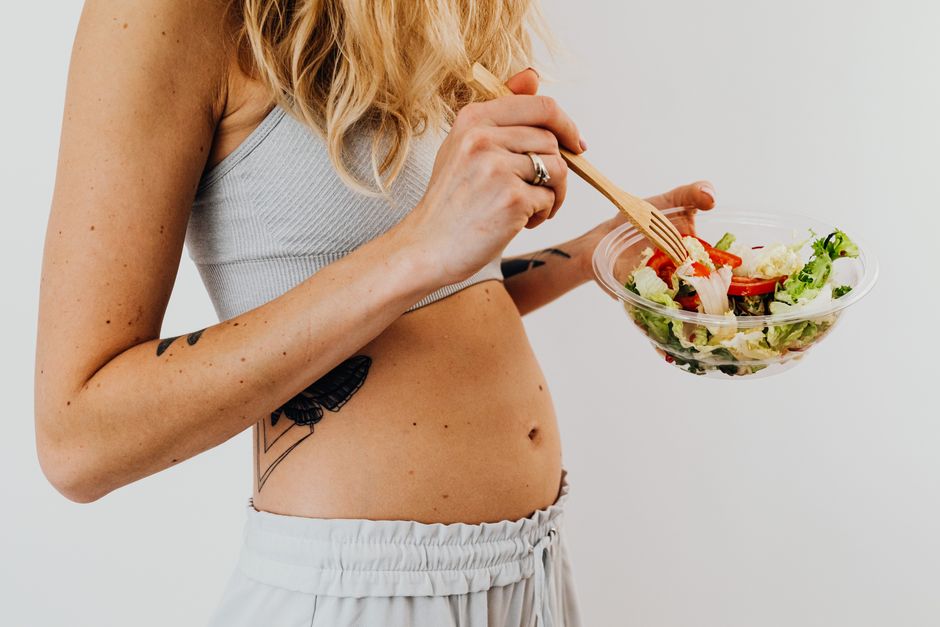
Salad dressing can turn a bowl of vegetables into something you actually want to eat — or into a calorie and sodium bomb that undoes the good work. The healthiest dressings are simple ones built on unsaturated fats like olive oil, an acid like vinegar or lemon juice, and minimal added sugar. A basic vinaigrette made with extra virgin olive oil and vinegar is the gold standard. It delivers heart-healthy fats, helps your body absorb fat-soluble vitamins from the vegetables, and contains no hidden sugars or preservatives.
What Makes a Salad Dressing Unhealthy?
Most bottled dressings on grocery store shelves are not healthy, even when the label suggests otherwise. The main problems are added sugar, refined seed oils, and excessive sodium.
A single two-tablespoon serving of many commercial dressings contains 5 to 10 grams of added sugar. That is roughly one to two teaspoons. Some “fat-free” versions are worse because manufacturers replace the fat with extra sugar and thickeners to mimic the mouthfeel of oil.
Refined seed oils — soybean, corn, cottonseed, and generic “vegetable oil” — are common in bottled dressings. These oils are highly processed and contain high levels of omega-6 fatty acids. Some research suggests that a diet too heavy in omega-6 relative to omega-3 may promote inflammation, though the evidence is not conclusive. Extra virgin olive oil, by contrast, is minimally processed and rich in monounsaturated fats and polyphenols with documented anti-inflammatory effects.
Sodium is another hidden issue. Many bottled dressings pack 200 to 400 milligrams of sodium per serving. That matters if you use dressing daily, because the American Heart Association recommends limiting sodium to 2,300 milligrams per day, with an ideal limit of 1,500 milligrams for most adults.
What Dressing Is Healthy For Salads: The Vinaigrette Standard
A vinaigrette is the simplest healthy dressing: three parts oil to one part acid, plus salt and any herbs or spices you like. The classic ratio works because the oil carries fat-soluble flavors and the acid brightens them.
Extra virgin olive oil is the best choice for most people. It is the primary fat in the Mediterranean diet, which is consistently associated with lower rates of cardiovascular disease in large observational studies. Olive oil also helps your body absorb fat-soluble vitamins — A, D, E, and K — from the vegetables in your salad. Carotenoids like beta-carotene in carrots and lycopene in tomatoes are absorbed significantly better when eaten with fat.
Vinegars add flavor without calories. Red wine vinegar, balsamic vinegar, apple cider vinegar, and white wine vinegar all work. Lemon juice is an excellent alternative. The acid in vinegar may also slightly slow the rise in blood sugar after a meal, though the effect is modest.
Making your own vinaigrette takes two minutes. Combine three tablespoons of olive oil, one tablespoon of vinegar, a pinch of salt, and optional Dijon mustard or herbs in a jar. Shake and pour. That is it.
Are Store-Bought Healthy Dressings Actually Healthy?
Some bottled dressings are genuinely better than others, but you have to read labels carefully. The healthiest commercial options are usually vinaigrette-style dressings with short ingredient lists.
Look for dressings where olive oil or avocado oil is the first ingredient. Check that total sugar is under 2 grams per serving. Avoid anything with high-fructose corn syrup, cane sugar, or honey listed in the first five ingredients. Watch for artificial colors and preservatives like sodium benzoate and potassium sorbate, which are unnecessary.
Even “healthy” bottled dressings often contain emulsifiers and gums like xanthan gum or guar gum to keep the oil and water from separating. These are generally recognized as safe, but they add processing that homemade dressings do not need.
Refrigerated dressings in the produce section are sometimes better than shelf-stable ones, but not always. The only reliable method is reading the nutrition panel and ingredient list every time.





Which Oils Are Best and Worst for Salad Dressing?
Not all oils are equal. The fat profile of the oil determines how it affects your health.
Best choices:
- Extra virgin olive oil — high in monounsaturated fats and polyphenols
- Avocado oil — high in monounsaturated fats, mild flavor
- Walnut oil — rich in omega-3 ALA, but expensive and delicate
- Flaxseed oil — very high in omega-3 ALA, but must be refrigerated
Use sparingly:
- Sesame oil — flavorful but high in omega-6
- Canola oil — moderate omega-6, highly processed
- Grapeseed oil — high in omega-6, often used in “healthy” dressings
Avoid:
- Soybean oil, corn oil, cottonseed oil — heavily processed, high omega-6
- Hydrogenated oils — contain trans fats, though these are now rare in US food supply
One clarification: omega-6 fats are not inherently bad. Your body needs them. The problem is balance. Most Americans consume far more omega-6 than omega-3, and replacing some omega-6 oils with olive oil shifts that ratio in a healthier direction.
What About Creamy Dressings Like Ranch and Caesar?
Creamy dressings are not automatically unhealthy, but they are harder to make healthy. Ranch, Caesar, blue cheese, and thousand island are typically made with buttermilk, sour cream, mayonnaise, or a combination. Those ingredients bring saturated fat and often added sugar.
A two-tablespoon serving of regular ranch dressing typically contains 130 to 150 calories and 2 to 3 grams of saturated fat. Caesar dressing is similar, sometimes worse. The problem is not the fat itself — it is that these dressings offer little nutritional benefit beyond calories.
If you prefer creamy dressings, the healthier approach is Greek yogurt-based versions. Plain Greek yogurt provides protein, calcium, and probiotics with far less saturated fat than sour cream or mayonnaise. You can make a ranch-style dressing by mixing Greek yogurt with garlic powder, onion powder, dill, and a splash of lemon juice.
Some commercial Greek yogurt dressings are decent, but check the sugar content. Many add honey or sugar to improve taste, which defeats the purpose.
How Much Dressing Should You Use?
Portion size matters more than most people realize. The standard serving size on a dressing label is two tablespoons. Most people pour three to four times that amount.
Two tablespoons of olive oil contain about 240 calories. That is not a problem if your salad is a meal and you are eating reasonable portions elsewhere. But if you are using dressing as a dip or pouring it on generously, calories add up quickly.
A practical approach: measure your dressing for one week. Use a tablespoon to pour, not a bottle. After a week you will have a visual sense of what two tablespoons looks like, and you can pour without measuring.
A better strategy for many people is to dress the salad lightly and add more flavor with herbs, spices, citrus zest, or a sprinkle of nuts and seeds. These add flavor without the calories or sodium of extra dressing.
Does Dressing Help You Absorb Nutrients From Salad?
Yes, and this is one of the most underappreciated facts about salad dressing. Fat is necessary for your body to absorb fat-soluble vitamins and plant compounds.
Vitamins A, D, E, and K all require dietary fat for absorption. So do carotenoids — the pigments that give carrots, tomatoes, peppers, and leafy greens their colors. These compounds are powerful antioxidants, but your body cannot use them without fat.
Research published in the American Journal of Clinical Nutrition found that salads eaten with full-fat dressing resulted in significantly higher absorption of carotenoids compared to fat-free dressing. The study showed that the amount and type of fat mattered. Monounsaturated fats like olive oil were particularly effective.
This means a fat-free dressing is not a neutral choice. It actively reduces the nutritional value of your salad. You are better off using a modest amount of a healthy oil-based dressing than a large amount of a fat-free one.
Simple Healthy Dressing Recipes
Homemade dressings are the most reliable way to know exactly what you are eating. Here are three basic formulas that take less than five minutes.
Classic Vinaigrette: 3 tablespoons extra virgin olive oil, 1 tablespoon red wine vinegar, 1 teaspoon Dijon mustard, pinch of salt, pinch of black pepper. Shake in a jar.
Lemon Herb: 3 tablespoons extra virgin olive oil, juice of half a lemon, 1 clove minced garlic, 1 teaspoon dried oregano, salt to taste.
Greek Yogurt Ranch: ½ cup plain Greek yogurt, 1 tablespoon olive oil, 1 teaspoon garlic powder, 1 teaspoon onion powder, 1 tablespoon fresh dill (or 1 teaspoon dried), 1 tablespoon lemon juice, salt to taste.
These dressings keep in the refrigerator for up to a week. Olive oil solidifies when cold, so take the dressing out 10 minutes before serving or run the jar under warm water.
Frequently Asked Questions
Is olive oil the healthiest salad dressing?
Yes, extra virgin olive oil is the healthiest base for salad dressing because it is rich in monounsaturated fats and polyphenols with documented anti-inflammatory effects. It also helps your body absorb fat-soluble vitamins from vegetables.
Are fat-free salad dressings healthy?
No, fat-free dressings are often worse because manufacturers replace the fat with added sugar and thickeners. Your body also needs fat to absorb vitamins A, D, E, and K from your salad.
How much salad dressing should I use?
The standard serving is two tablespoons, which contains about 240 calories if made with olive oil. Measure your dressing for a week to learn what that portion actually looks like.
Is ranch dressing bad for you?
Regular ranch dressing is high in saturated fat and sodium, but Greek yogurt-based ranch versions are a healthier alternative. Check the label for added sugar, which is common even in “light” versions.
