
Your liver works harder than almost any other organ in your body. It filters blood, processes nutrients, stores energy, and helps your immune system. Most people do not think about their liver until something goes wrong. The good news is that small daily habits have a big impact on liver health. The most effective steps are maintaining a healthy weight, limiting alcohol, eating a balanced diet, and staying active. These four things alone can prevent most common liver problems. This article explains exactly what the evidence says about each one.
What Does a Healthy Liver Do and Why Does It Matter?
Your liver sits on the right side of your abdomen, just under your rib cage. It weighs about three pounds and performs over 500 functions. Among the most important are filtering toxins from your blood, producing bile to digest fat, storing vitamins and iron, and regulating blood sugar.
When your liver is damaged, these functions slow down. Early damage often has no symptoms. Many people do not know they have a problem until routine blood work shows elevated liver enzymes. Over time, untreated damage can lead to scarring, called fibrosis, and eventually cirrhosis. Cirrhosis is serious and can be life-threatening.
The liver is also remarkable because it can regenerate. If you stop damaging it, healthy tissue can grow back. This is why lifestyle changes matter so much. Even if you have some damage, stopping the cause can reverse it in many cases. Current research suggests that catching fatty liver disease early gives you a very good chance of full recovery.
Does Drinking Alcohol Hurt Your Liver Even in Small Amounts?
Yes, alcohol directly damages liver cells. Your liver breaks down alcohol into acetaldehyde, a toxic chemical that causes inflammation and scarring. The more you drink, the more your liver has to work. Over time, this leads to alcoholic fatty liver disease, alcoholic hepatitis, or cirrhosis.
Research shows that moderate drinking — defined as one drink per day for women and two for men — does not cause liver disease in most people. But heavy drinking does. Binge drinking, even occasionally, is particularly harmful. A binge is four or more drinks in two hours for women, five for men.
Some studies suggest that even moderate drinking may increase liver fat in people who are already overweight or have metabolic syndrome. If you have a family history of liver disease, or if you already have elevated liver enzymes, the safest choice is to avoid alcohol entirely. As of 2026, no major study has found a health benefit from alcohol for the liver. The risks outweigh any potential upsides.
Can Your Diet Actually Reverse Fatty Liver Disease?
Yes, diet is one of the most powerful tools for liver health. Non-alcoholic fatty liver disease, or NAFLD, affects about one in three adults in the United States. It happens when fat builds up in liver cells without alcohol being the cause. The main driver is excess calories, especially from sugar and refined carbohydrates.
The liver converts extra sugar into fat. When you eat more sugar than your body needs, especially fructose found in soda, candy, and processed foods, your liver turns it into fat droplets. Over time, these droplets build up and cause inflammation.
What you eat matters more than how much you weigh. Studies have found that a Mediterranean-style diet — rich in vegetables, fruits, whole grains, lean protein, and healthy fats like olive oil — significantly reduces liver fat. Even modest weight loss of five to ten percent of your body weight can cut liver fat by half. Losing more weight can reverse inflammation and scarring.
Avoiding sugary drinks is one of the simplest and most effective changes. One study found that people who drank one sugary soda per day had a 45 percent higher risk of developing fatty liver disease compared to those who did not. Water, unsweetened coffee, and tea are all good choices for your liver.




What Role Does Exercise Play in Liver Health?
Exercise helps your liver in two main ways. First, it burns calories and helps you lose weight. Second, it directly reduces liver fat independent of weight loss. Even if you do not lose a single pound, regular exercise lowers the amount of fat stored in your liver.
Research shows that aerobic exercise — walking, jogging, cycling, swimming — is effective. Resistance training, like lifting weights, also helps. The combination of both may be best. Current guidelines suggest at least 150 minutes of moderate-intensity aerobic activity per week, plus two days of strength training.
The key is consistency. You do not need to run marathons. A brisk 30-minute walk five days a week makes a real difference. One study found that people who walked for 30 minutes daily had lower liver enzyme levels than those who were sedentary. Even short bouts of activity, like three ten-minute walks, count.
Exercise also improves insulin sensitivity. When your cells respond better to insulin, your liver produces less fat. This is especially important for people with prediabetes or type 2 diabetes, both of which are strongly linked to fatty liver disease.
What About Supplements and Herbs for Your Liver?
Many supplements claim to support liver health. The evidence for most is weak. Milk thistle is one of the most studied herbs. Some studies suggest it may reduce inflammation in people with liver disease, but the results are inconsistent. As of 2026, no major clinical trial has proven that milk thistle reverses liver damage.
Turmeric and curcumin have anti-inflammatory properties. Some small studies show they may reduce liver enzyme levels. But the evidence is not strong enough to recommend them as a treatment. The same is true for dandelion root, artichoke extract, and berberine.
Vitamin E is different. Large studies have found that vitamin E supplements reduce inflammation in people with non-alcoholic steatohepatitis, the more serious form of fatty liver disease. But vitamin E is not safe for everyone. High doses have been linked to an increased risk of prostate cancer and bleeding. Never take vitamin E for your liver without talking to a doctor first.
The bottom line is that supplements cannot replace diet and exercise. If you take any supplement, tell your doctor. Some herbs can actually damage the liver, especially in high doses. Green tea extract, kava, and certain traditional Chinese herbs have been linked to liver injury.
How Do Medications and Everyday Products Affect Your Liver?
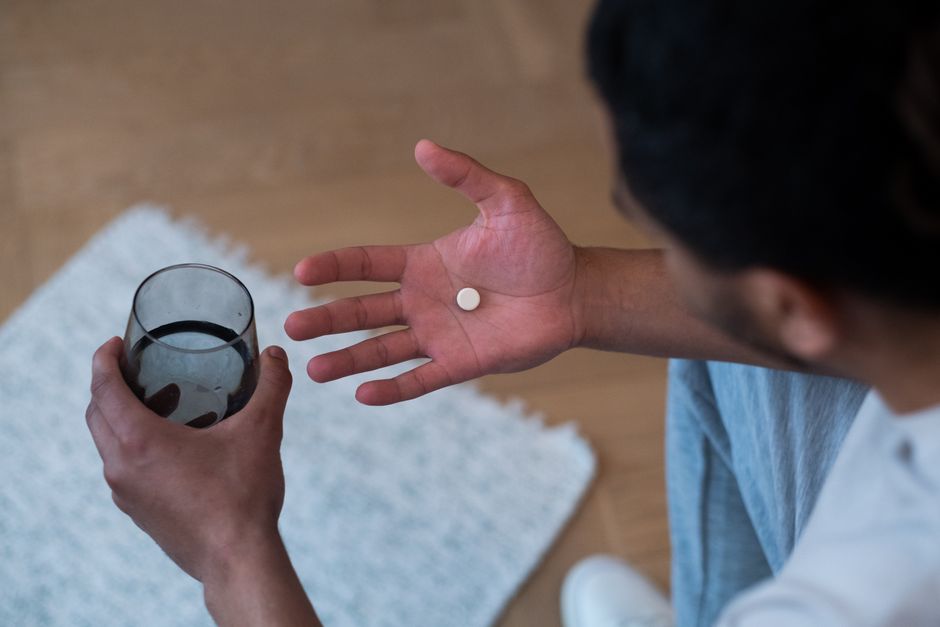
Your liver processes almost everything you put in your body. That includes prescription drugs, over-the-counter medications, and even some personal care products. Acetaminophen, sold as Tylenol, is a common cause of liver damage when taken in high doses. The maximum safe dose for most adults is 3,000 milligrams per day. Taking more than that, especially with alcohol, can cause serious liver injury.
Some prescription medications also affect the liver. Statins, used for cholesterol, can raise liver enzymes in some people. This is usually temporary and not dangerous, but your doctor should monitor it. Antibiotics like amoxicillin-clavulanate and antifungal medications like ketoconazole are also known to cause liver problems in rare cases.
Even herbal supplements and vitamins can be harmful. High doses of vitamin A, for example, are toxic to the liver. Some bodybuilding supplements contain anabolic steroids that cause severe liver damage. Always check with a pharmacist or doctor before starting a new supplement, especially if you already have liver issues.
Pain relievers like ibuprofen and naproxen are safer for the liver but can damage the kidneys. If you need pain relief regularly, talk to your doctor about the safest option for your specific health situation.
| Substance | Liver Risk | Safe Use Guidelines |
|---|---|---|
| Acetaminophen (Tylenol) | High at high doses | Max 3,000 mg/day, avoid alcohol |
| Ibuprofen (Advil) | Low for liver, high for kidneys | Max 1,200 mg/day, use short-term |
| Alcohol | High with heavy use | 1 drink/day women, 2 men, or none |
| Vitamin A supplements | High at high doses | Do not exceed 10,000 IU/day |
| Green tea extract | Moderate in some cases | Avoid concentrated extracts |
What Are Common Misconceptions About Liver Health?
One widespread myth is that detox diets or juice cleanses help your liver. Your liver does not need to be cleansed. It cleans itself. Detox products often contain herbs and laxatives that can actually stress the liver. There is no evidence that any cleanse improves liver function.
Another myth is that only heavy drinkers get liver disease. Non-alcoholic fatty liver disease is now the most common liver condition in the United States. It affects people who drink little or no alcohol. Being overweight, having diabetes, or eating a poor diet are all risk factors.
Some people believe that a high-protein diet is good for the liver. In reality, eating too much protein can increase the workload on your liver, especially if you already have liver disease. A balanced diet with moderate protein is better.
Finally, many people think that liver damage always causes symptoms. This is not true. Early fatty liver disease and even early fibrosis often have no symptoms at all. That is why routine blood tests and checkups are important, especially if you have risk factors like obesity or diabetes.
Frequently Asked Questions
Can you reverse liver damage with diet alone?
Yes, in many cases. Losing five to ten percent of your body weight and eating a Mediterranean-style diet can reverse fatty liver disease and reduce inflammation.
Is coffee good or bad for your liver?
Good. Studies show that drinking two to three cups of coffee per day lowers liver enzyme levels and reduces the risk of liver cancer and cirrhosis.
How often should you get your liver checked?
Once a year if you are healthy. More often if you have risk factors like obesity, diabetes, heavy alcohol use, or a family history of liver disease.
Does drinking water help your liver?
Yes. Staying hydrated helps your liver filter blood and process waste. Water is the best choice. Sugary drinks and alcohol should be limited.
