
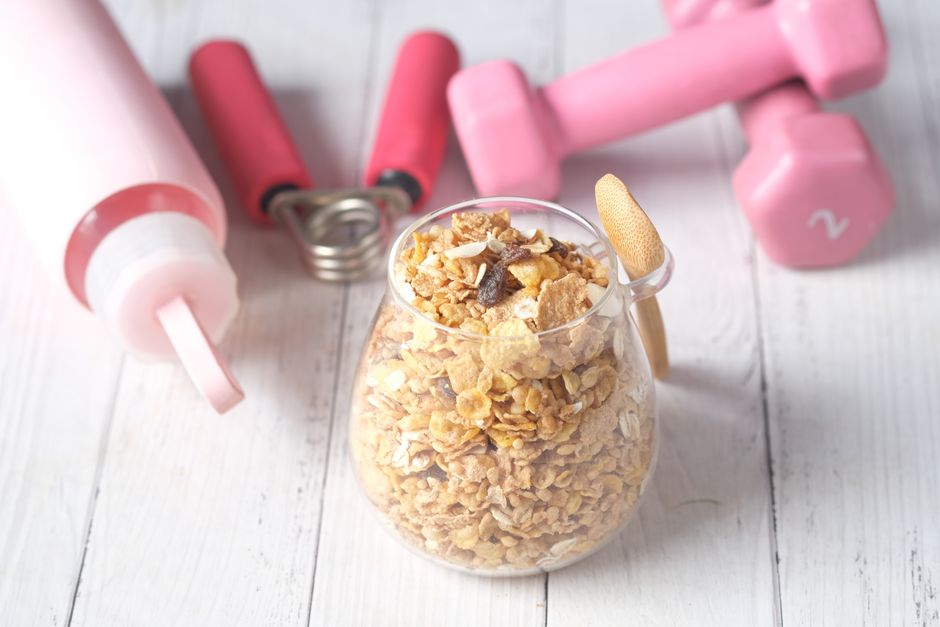
Yes, oats are healthy for most people. They are a whole grain packed with fiber, vitamins, and minerals that support heart health, digestion, and stable blood sugar. But not all oats are created equal, and how you eat them matters more than you might think. The research is clear on the benefits, but also honest about the limits.
What Makes Oats Different From Other Grains?
Oats are not like white rice or refined wheat. They contain a type of soluble fiber called beta-glucan. This fiber is the main reason oats get so much attention from researchers.
Beta-glucan forms a gel-like substance in your gut. That gel slows down digestion. It also binds to cholesterol and helps remove it from your body. Studies have found that eating 3 grams of beta-glucan daily can lower LDL cholesterol by about 5 to 10 percent. That is a real effect, not a marketing claim.
Most whole grains have fiber, but beta-glucan is unique to oats and barley. That is what makes oats stand out. You do not get the same cholesterol-lowering effect from brown rice or whole wheat bread.
Does Eating Oats Help With Weight Control?
Some evidence suggests oats can help with weight management, but the effect is modest. The fiber in oats increases feelings of fullness. People who eat oatmeal for breakfast often eat fewer calories later in the day compared to those who eat sugary cereal or skip breakfast entirely.
One study followed people who ate oatmeal versus an equal-calorie serving of instant cereal. The oatmeal group reported less hunger and ate less at lunch. That is a real short-term benefit.
But here is the honest part: oats alone will not cause weight loss. If you add brown sugar, honey, dried fruit, or cream, the calorie count goes up fast. A bowl of oatmeal with two tablespoons of maple syrup and a handful of raisins can have as many calories as a doughnut. The fiber helps, but it cannot cancel out extra sugar and fat.
For weight control, stick to plain oats and control your portions. One cup of cooked oatmeal is a reasonable serving. That gives you about 150 calories and 4 grams of fiber.
Are Oats Healthy For You If You Have Diabetes?
Current research suggests oats are a good choice for people with type 2 diabetes. The beta-glucan fiber slows down how fast carbohydrates enter your bloodstream. That prevents sharp spikes in blood sugar after meals.
Studies have found that eating oats regularly can improve fasting blood sugar and insulin sensitivity. But this applies to less processed oats, not instant packets with added sugar.
Steel-cut oats have the lowest glycemic impact because they take longer to digest. Rolled oats are still good. Instant oats raise blood sugar faster because the grains are pre-cooked and flattened thin. The difference matters if you are managing diabetes.
Some people report that oats cause their blood sugar to rise more than expected. That can happen if you eat a large portion or if your body is particularly sensitive to carbohydrates. If you have diabetes, check your blood sugar one to two hours after eating oatmeal to see how your body responds.





What About Gluten and Oats?
Pure oats are naturally gluten-free. But many oats grown in the United States are contaminated with wheat, barley, or rye during harvesting and processing. This is a real concern for people with celiac disease or gluten sensitivity.
Some studies have found that up to 30 percent of commercial oat products contain detectable gluten. That is not a small problem. If you need to avoid gluten, look for oats labeled “certified gluten-free.” Those are tested and kept separate from gluten-containing grains.
There is also a separate issue for a small number of people with celiac disease. Their immune system reacts to avenin, a protein in oats that is similar to gluten. This is rare but real. If you have celiac disease and still have symptoms after eating certified gluten-free oats, talk to your doctor.
Are Instant Oatmeal Packets Healthy?
This is where the marketing gets tricky. Instant oatmeal packets are often labeled as healthy, but many contain added sugar, artificial flavors, and preservatives. Some packets have more sugar than a serving of frosted cereal.
Here is a comparison of different oat types:
| Type | Processing Level | Glycemic Impact | Typical Sugar (plain, per serving) |
|---|---|---|---|
| Steel-cut oats | Minimally processed | Low | 0 grams |
| Rolled oats | Steamed and flattened | Medium-low | 0 grams |
| Instant oats | Pre-cooked, dried, flattened | Medium | 0 grams (plain) or 10-12 grams (flavored) |
| Oat flour | Ground finely | Medium-high | 0 grams |
Instant oats are not bad if you choose the plain version. The problem is the flavored packets. Some contain high fructose corn syrup, hydrogenated oils, or dehydrated marshmallows. Those are not health foods.
If you want convenience, buy plain instant oats and add your own toppings. A tablespoon of peanut butter and a few berries will give you flavor without the sugar overload.
What Are the Downsides of Eating Oats Every Day?
For most people, eating oats daily is safe and beneficial. But there are a few downsides worth knowing.
First, oats contain phytic acid. This compound can bind to minerals like iron, zinc, and calcium and reduce their absorption. This is not a problem if you eat a balanced diet with enough minerals. But if you rely on oats as a major food source and eat them at every meal, it could matter over time. Soaking oats overnight reduces phytic acid levels.
Second, oats are high in carbohydrates. One cup of cooked oatmeal has about 27 grams of carbs. For someone on a very low-carb or ketogenic diet, that can be too much. Oats are not compatible with strict low-carb eating.
Third, some people experience bloating or gas when they first increase their fiber intake. This usually goes away after a week or two as your gut adjusts. Drinking more water helps.
None of these downsides are deal-breakers for most people. They are just honest limitations that health articles rarely mention.
How Should You Choose and Prepare Oats?
Here is a straightforward guide based on the evidence:
- Choose steel-cut or rolled oats for the most fiber and lowest blood sugar impact. Instant oats are fine if you pick plain and control portions.
- Avoid flavored packets with added sugar, syrups, or artificial ingredients. Read the label. If sugar is in the first three ingredients, put it back.
- Add protein and fat to balance the meal. A spoonful of nut butter, a handful of nuts, or a scoop of protein powder will slow digestion further and keep you full longer.
- Soak overnight if you have time. Overnight oats reduce phytic acid and make the grains easier to digest. Plus they are ready to eat in the morning with no cooking.
- Watch your toppings. Fresh fruit, cinnamon, and a pinch of salt are fine. Avoid drenching oats in honey, agave, or brown sugar.
One thing people get wrong is thinking all oat products are the same. Oatmeal cookies, oat milk, and granola bars are not the same as a bowl of whole oats. Many oat-based processed foods have added sugar, oil, and refined flour. They are junk food with a health halo.
Frequently Asked Questions
Are oats healthy for weight loss?
Oats can support weight loss because their fiber increases fullness and reduces calorie intake later in the day. But the effect is small and depends on eating plain oats without added sugar or high-calorie toppings.
Can you eat oats if you have celiac disease?
Yes, but only if the oats are certified gluten-free. Many commercial oats are contaminated with gluten during processing. A small number of people with celiac disease react to avenin, a protein in oats, and should avoid them entirely.
Do oats cause bloating?
Some people experience bloating or gas when they first eat more fiber. This usually resolves within two weeks as the gut adjusts. Drinking extra water and starting with a smaller portion can help.
Are instant oats as healthy as steel-cut oats?
Plain instant oats are still healthy but have a higher glycemic impact than steel-cut oats because they are more processed. The main problem is flavored instant packets, which often contain large amounts of added sugar.
