
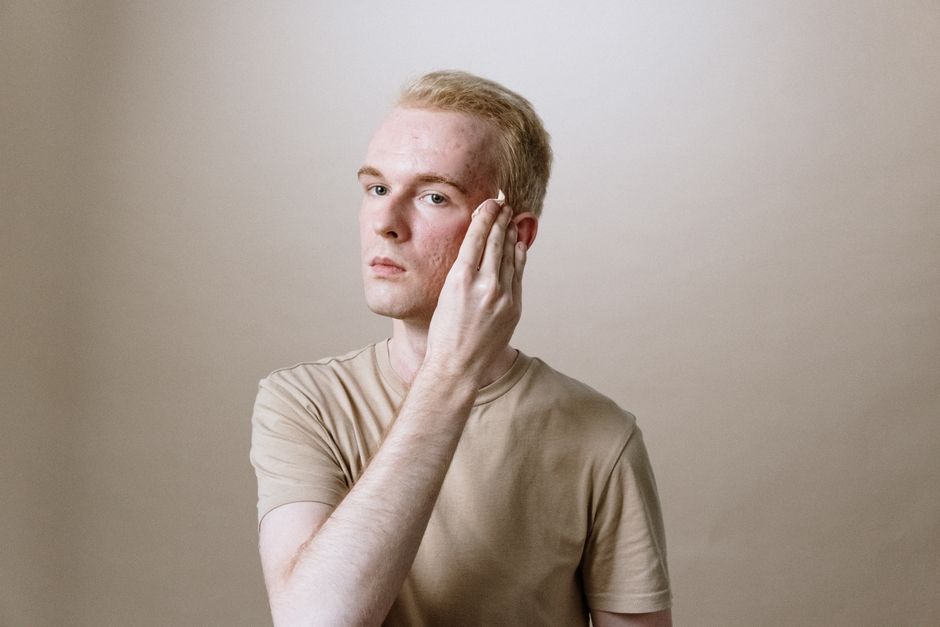
Tretinoin is a prescription-strength form of vitamin A that treats acne, reduces fine lines and wrinkles, and fades dark spots by speeding up your skin’s natural cell turnover process. It works by telling your skin cells to divide and shed faster, which unclogs pores, stimulates collagen production, and brings fresh, evenly pigmented skin to the surface. Dermatologists have used it for decades, and it remains one of the most thoroughly studied topical treatments in dermatology for all three concerns.
How Does Tretinoin Work on the Skin?
Tretinoin belongs to a class of medications called retinoids. Retinoids are chemical compounds derived from vitamin A. When applied to the skin, tretinoin binds to specific receptors inside your skin cells. This binding changes how your genes are expressed, essentially resetting the behavior of the skin cells.
The most important effect is an increase in cell turnover rate. Normal skin sheds dead cells roughly every 28 to 30 days. Tretinoin speeds this process up, sometimes to every 14 to 21 days. This rapid turnover means dead skin cells do not have time to pile up and clog pores. It also means newer, healthier cells reach the surface faster.
Tretinoin also stimulates fibroblasts in the deeper layer of your skin, the dermis. Fibroblasts are the cells responsible for making collagen and elastin. Collagen gives skin its firmness, and elastin gives it its stretch. As we age, collagen production naturally declines. Tretinoin counters this decline by encouraging new collagen formation.
What Does Tretinoin Do for Acne?
Acne starts when a hair follicle becomes clogged with oil and dead skin cells. Tretinoin addresses this directly by normalizing the way skin cells shed. Instead of sticky dead cells blocking the pore, they are shed individually and wash away.
Tretinoin is considered a first-line treatment for non-inflammatory acne, which includes blackheads and whiteheads. It is also effective for inflammatory acne when combined with other treatments like benzoyl peroxide or topical antibiotics. The medication does not kill bacteria, so it is rarely used alone for severe inflammatory acne.
One of the key benefits of tretinoin for acne is its ability to prevent new breakouts, not just treat existing ones. It takes time to see this effect. Most patients need to use it consistently for 8 to 12 weeks before noticing a significant reduction in breakouts. Some people experience a temporary worsening of acne in the first few weeks, commonly called a “purge,” as the medication brings deep clogs to the surface quickly.
For cystic or nodular acne, tretinoin alone is often not enough. Dermatologists typically combine it with oral medications or other topical treatments for these more severe forms. The evidence for tretinoin in mild to moderate acne is strong and well established in dermatology guidelines.
What Does Tretinoin Do for Wrinkles?
Tretinoin is one of the few topical treatments with solid clinical evidence for reducing visible signs of aging. The mechanism is twofold: it thickens the epidermis (the top skin layer) and it stimulates collagen production in the dermis.
Over time, sun exposure and aging break down collagen fibers. The skin becomes thinner and less elastic, leading to fine lines and wrinkles. Tretinoin helps rebuild that collagen matrix. Studies have shown measurable increases in collagen thickness in skin treated with tretinoin for several months.
The clinical effects are visible but gradual. Fine lines, particularly around the eyes and mouth, become less noticeable after 3 to 6 months of regular use. Deeper wrinkles respond more slowly and may only soften, not disappear entirely. Tretinoin cannot erase deep expression lines, but it can improve skin texture and overall appearance.
It is important to understand that tretinoin does not work like a filler or Botox. It does not relax muscles or add volume. Its anti-aging effect comes from restoring the skin’s own structure. For this reason, results develop slowly and require continued use. Stopping tretinoin will eventually reverse the improvements, as skin returns to its normal aging process.




What Does Tretinoin Do for Dark Spots?
Dark spots, also called hyperpigmentation, occur when melanin builds up in one area of the skin. This can result from sun damage, acne scars, hormonal changes, or injury to the skin. Tretinoin addresses dark spots by accelerating the shedding of pigment-laden skin cells.
As the top layers of skin turn over faster, the cells containing excess melanin are shed and replaced with newer cells that have less pigment. This gradual process fades dark spots over time. Clinical studies show that tretinoin can noticeably lighten spots caused by sun damage and post-inflammatory hyperpigmentation from acne.
Results for dark spots generally take longer than for acne. Most people see lightening after 3 to 6 months of consistent use. Complete clearing can take a year or more, depending on the depth of the pigment.
Tretinoin is often combined with other lightening agents like hydroquinone or vitamin C for stubborn hyperpigmentation. Dermatologists may also use it alongside procedures like chemical peels or laser therapy. Tretinoin alone works, but combination therapy is often more effective for significant discoloration.
One critical point: tretinoin makes your skin more sensitive to the sun. Sun exposure can trigger new dark spots and counteract the lightening effect. Daily sunscreen use is essential if you are using tretinoin for hyperpigmentation.
What to Expect When You Start Using Tretinoin
Tretinoin is not a gentle product. Most people experience some irritation when they first start. Redness, peeling, dryness, and a stinging sensation are common during the first 2 to 4 weeks. This is often called “retinization” and it is a normal part of the adjustment period.
You can reduce irritation by starting with a low concentration and applying it only two or three nights per week. Apply a pea-sized amount to completely dry skin. Moisturizer can be applied before or after, depending on your skin’s tolerance. Some dermatologists recommend the “sandwich method,” where you apply moisturizer, then tretinoin, then moisturizer again.
Do not apply tretinoin to wet skin. Water increases absorption and intensifies irritation. Wait at least 20 minutes after washing your face before applying the medication.
The “purge” phase is another common experience. Existing clogged pores may flare up as whiteheads or red bumps before they clear. This is not a sign that the medication is failing. It typically resolves within 4 to 6 weeks.
If irritation becomes severe, reduce the frequency of application rather than stopping entirely. If your skin is extremely red, painful, or blistered, stop using it and contact your dermatologist.
Who Should Not Use Tretinoin?
Tretinoin is not safe during pregnancy. Oral retinoids are known to cause birth defects, and while topical absorption is low, the risk is considered significant enough that most dermatologists advise stopping tretinoin before trying to conceive. If you are pregnant, planning pregnancy, or breastfeeding, discuss alternatives with your doctor.
People with very sensitive skin conditions like eczema or rosacea may not tolerate tretinoin well. Your dermatologist can assess whether the benefits outweigh the potential for irritation in your specific case.
Tretinoin interacts with other topical acne treatments. Using it with benzoyl peroxide or salicylic acid at the same time can cause excessive dryness. These products can be used at different times of day, but follow your dermatologist’s instructions.
Frequently Asked Questions
How long does it take for tretinoin to work on acne?
Most people see noticeable improvement in acne after 8 to 12 weeks of consistent use. Initial breakouts may worsen before they improve.
Can tretinoin permanently remove wrinkles?
No. Tretinoin improves wrinkles while you use it, but the effect reverses if you stop. It reduces the appearance of fine lines but cannot permanently erase them.
Will tretinoin make my dark spots worse before they get better?
No, but dark spots fade slowly over 3 to 6 months. Sun exposure during treatment can worsen dark spots, so daily sunscreen is necessary.
Is tretinoin safe to use every day?
Yes, once your skin adjusts, daily use is common and effective. Start with 2 to 3 nights per week and increase frequency only as your skin tolerates it.
