
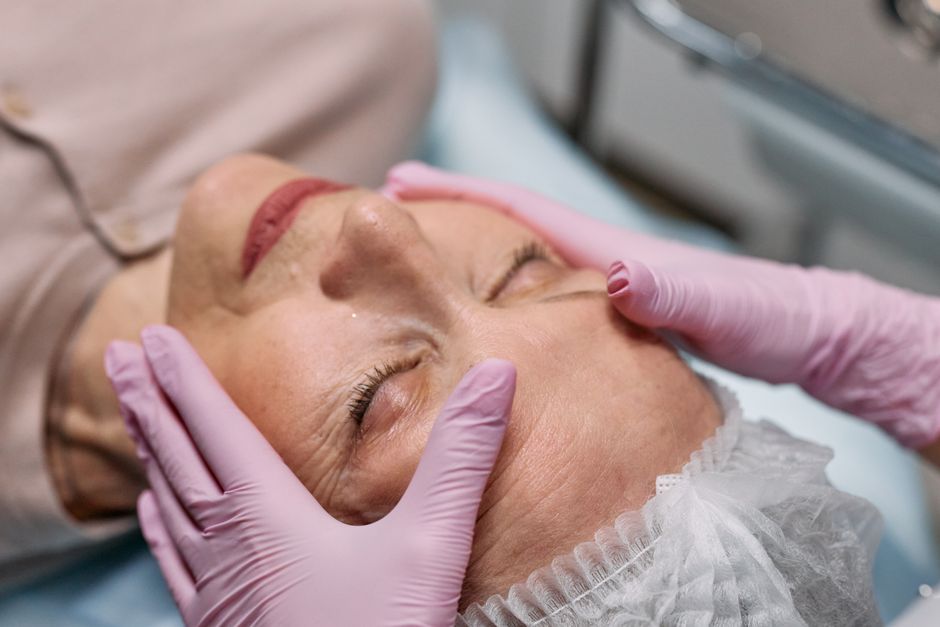
Tretinoin is one of the most studied and effective topical treatments for wrinkles. It is a prescription-strength retinoid that has been proven in clinical trials to reduce fine lines, improve skin texture, and increase collagen production. However, it is not a quick fix; it requires months of consistent use and comes with a significant adjustment period for your skin.
What Is Tretinoin and How Does It Work on Wrinkles?
Tretinoin is a form of vitamin A. It belongs to a class of medications called retinoids. Unlike retinol found in over-the-counter creams, tretinoin is active directly on the skin. It does not need to be converted by skin enzymes to work.
When applied, tretinoin binds to specific receptors in skin cells. This binding signals the cells to behave as if they are younger. It speeds up cell turnover, pushing fresh cells to the surface more quickly. It also stimulates fibroblasts in the deeper layer of the skin to produce more collagen and elastin. These are the structural proteins that keep skin firm and smooth. As collagen increases, fine lines become less visible and skin thickness improves.
Research consistently shows that tretinoin reduces the appearance of fine wrinkles. Studies using skin biopsies have confirmed an increase in collagen production after several months of regular use. This is not a cosmetic claim; it is a documented biological effect.
How Long Until You See Results?
You will not see improvement overnight. The skin needs time to adjust and rebuild. Most dermatologists tell patients to expect a timeline of several months.
Some patients notice smoother skin texture within 4 to 6 weeks because of increased cell turnover. However, visible reduction in fine lines typically takes 3 to 6 months. Deeper wrinkles may require 6 to 12 months of consistent use to show meaningful improvement. The results are gradual, not dramatic.
It is important to understand that tretinoin works only while you use it. If you stop, the skin gradually returns to its previous state. Collagen production slows down again, and wrinkles can reappear over time. This is a maintenance treatment, not a permanent cure.
The Adjustment Period: Retinization and Side Effects
During the first few weeks, tretinoin causes a process called retinization. Your skin becomes red, dry, flaky, and sometimes itchy. This is a normal reaction to the increased cell turnover. It is not an allergic reaction in most cases.
This irritation phase usually peaks around week 2 to 4. It can be managed by starting with a lower concentration and applying the medication less frequently. Many dermatologists recommend using tretinoin every other night or every third night initially. You can also use a moisturizer before applying tretinoin to buffer the irritation, a technique called sandwiching.
You should avoid using tretinoin on broken, sunburned, or eczematous skin. The irritation will be worse in these areas. If the irritation is severe — with blistering, oozing, or intense burning — stop using the product and contact your doctor. Do not push through severe irritation.
How to Use Tretinoin Correctly for Wrinkles
Proper application is essential for both results and tolerance. A pea-sized amount is enough for the entire face. Using more does not give better results and increases irritation.
Apply tretinoin only at night. Sunlight degrades the medication and makes it less effective. Wash your face and wait at least 20 to 30 minutes until the skin is completely dry. Applying tretinoin to damp skin increases absorption and irritation significantly.
Use a thin layer and avoid the eye area, the corners of the nose, and the mouth. These areas are more sensitive and prone to irritation. You can apply a moisturizer after tretinoin has dried, usually after 20 minutes.
Consistency matters more than quantity. Using a low strength consistently every other night is better than using a high strength once a week. Once your skin tolerates the medication well, your doctor may increase the concentration.
What About Sun Sensitivity?
Tretinoin makes your skin more sensitive to the sun. This is a real and significant effect. The medication thins the outer layer of the skin temporarily, which removes some of the skin’s natural UV protection.
Daily sunscreen use is not optional while using tretinoin. Use a broad-spectrum sunscreen with at least SPF 30 every morning. Reapply if you are outdoors for extended periods. Sun exposure without protection will cause more damage, which defeats the purpose of the treatment.
Some research suggests that tretinoin may actually help repair sun-damaged skin over time. The collagen stimulation helps reverse some visible signs of photodamage. But this benefit only occurs if you protect your skin from further damage.
Does Tretinoin Help With Wrinkles Better Than Over-the-Counter Retinol?
Tretinoin is stronger and faster than retinol. Retinol must be converted into retinoic acid by enzymes in the skin. This conversion is inefficient, so a significant amount of the product is lost before it becomes active. Tretinoin is already in the active form, so it works directly.
Clinical studies comparing the two are limited, but the evidence that exists suggests tretinoin produces results faster and at lower concentrations. Retinol can still reduce wrinkles over time, but it requires higher concentrations and longer use to achieve similar effects.
Tretinoin requires a prescription in most countries. Retinol is available over the counter. If you are looking for the most effective option and can see a doctor, tretinoin is the stronger choice. If you prefer an over-the-counter option, retinol is a reasonable alternative with a gentler adjustment period.
Who Should Not Use Tretinoin?
Tretinoin is not appropriate for everyone. Pregnant women or those planning pregnancy should not use tretinoin. Oral retinoids are known to cause birth defects, and while topical absorption is low, the risk is considered significant enough to warrant avoidance. If you become pregnant while using tretinoin, stop immediately and inform your obstetrician.
People with active eczema, rosacea, or very sensitive skin may not tolerate tretinoin. The irritation can worsen these conditions. A dermatologist may recommend a lower concentration or a different treatment altogether.
If you are taking medications that increase sun sensitivity, such as certain antibiotics or diuretics, discuss this with your doctor before starting tretinoin. The combined effect can lead to severe sunburn.
Frequently Asked Questions
Can tretinoin completely remove deep wrinkles?
No. Tretinoin can significantly reduce the appearance of fine lines and shallow wrinkles, but deep wrinkles will not completely disappear. It improves skin thickness and collagen, which softens wrinkles, but it cannot erase severe creases.
How often should I apply tretinoin for wrinkles?
Start with every other night or every third night to let your skin adjust. Once your skin tolerates it without significant irritation, you can increase to nightly application if your doctor recommends it.
Can I use tretinoin around my eyes for crow’s feet?
Do not apply tretinoin directly to the eyelid or the immediate eye area. It can cause severe irritation and has been linked to dry eye syndrome. You can apply it on the cheekbone area near the eyes, but keep a safe distance.
Does tretinoin work for wrinkles on all skin types?
Yes, tretinoin works on all skin types, but darker skin tones are more prone to hyperpigmentation from irritation. If you have darker skin, start with a lower concentration and be especially careful about sun protection to avoid dark spots.
